

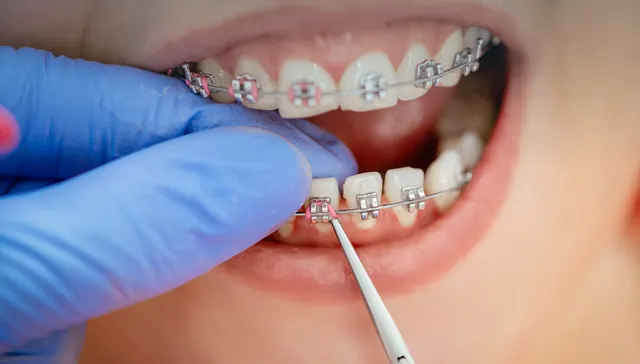
Why Teeth Move After Braces: Advice for Armadale Patients
After braces come off, your teeth naturally want to shift back to their original positions. This happens because the ligaments holding your teeth are elastic and have a “memory” of where teeth used to be. Wearing your retainer as prescribed is the most important step to prevent teeth from shifting after braces and maintain your results.
According to research, about 25% of adults who had braces may experience some orthodontic relapse if they don’t consistently wear their retainers. Additionally, studies show that up to 70% of adults experience some form of teeth shifting over their lifetime, making retention absolutely crucial.
What Is Orthodontic Relapse?
Orthodontic relapse happens when teeth shift back toward their original positions after you’ve finished wearing braces or Invisalign treatment. It’s frustrating, especially after spending months or even years getting your teeth straightened. But relapse isn’t uncommon; it’s actually a natural response your body has after orthodontic treatment.
Here’s what happens:
- Your teeth are held in place by periodontal ligaments
- These ligaments are elastic and have “memory” of where your teeth used to be
- When braces apply pressure, they stretch these ligaments to move teeth
- Once treatment ends, ligaments want to spring back to their original state
Many patients don’t realise that the day your braces are removed is just the beginning of maintaining your straight teeth, not the end of the journey.
Why Do Teeth Naturally Want to Move Back?
Your teeth aren’t fixed in solid bone like fence posts in concrete. They’re actually suspended in your jawbone by elastic fibres called periodontal ligaments. Think of it like a hammock; there’s flexibility and movement.
After braces move your teeth to their new positions, these ligaments need time to adapt. The bone and soft tissue around your teeth also need to remodel and settle. This process takes months, sometimes years. Until everything stabilises, your teeth may want to shift.
Key factors include:
- Ligament memory: Ligaments are elastic and remember where teeth used to be
- Bone remodelling: New bone needs time to form around teeth in their new positions
- Muscle forces: Your tongue, lips, and cheeks constantly push on your teeth
- Natural drift: Teeth naturally drift forward throughout life (called “mesial drift”)
Common Reasons Teeth Move After Braces
1. Not Wearing Retainers as Prescribed
This is hands-down the biggest reason teeth have shifted after braces. Your orthodontist gives you a retainer wear schedule for a reason.
Research shows that in the first 3 months after getting braces off, 60% of patients wore their retainers more than 10 hours daily. However, by 19-24 months, 19% of patients stopped wearing retainers entirely.
Forgetting to wear your retainer even for a few nights can allow teeth to start shifting. Once this happens, your retainer might not fit properly anymore, making the problem worse.
2. Jaw Growth and Facial Changes
If you had braces as a teenager, your jaw might still be growing after treatment ends. This is especially common in younger patients. As your jaw develops, it can cause teeth to shift, particularly the lower front teeth, which are prone to shifting.
Even adults experience subtle facial changes as they age. These changes can contribute to teeth shifting over time.
3. Bite Forces and Tooth Contact
Every time you chew, talk, or swallow, your teeth come into contact with each other. These forces, applied thousands of times per day, can gradually cause your teeth to move out of position.
If you grind your teeth at night (a condition called bruxism or teeth grinding), the extra pressure accelerates tooth movement. About 10% of adults grind their teeth without realising it.
4. Crowding Pressure
If you had crowded teeth before braces, there’s underlying pressure for the teeth to want to shift back into that crowded position. The original spacing issue that required treatment doesn’t magically disappear; your retainer is what prevents that crowding from returning.
5. Gum Health and Bone Support
Your gums and the bone supporting your teeth play a huge role in keeping teeth in place. Gum disease weakens this support system, allowing teeth to become loose and shift.
Nearly 25% of adults experience moderate to severe gum disease, which can seriously affect tooth placement even years after orthodontic treatment. Good oral hygiene isn’t just about preventing cavities; it’s essential to protect your teeth and prevent shifting.
How Retainers Prevent Teeth From Moving
Retainers are designed to hold your teeth in their new positions while the bone, gum tissue, and ligaments around them stabilise. Think of them as a security system for your smile.
Here’s how a retainer works:
- Holds teeth in place while bone remodels around them
- Prevents the elastic ligaments from pulling teeth back
- Counteracts the daily bite forces that want to move teeth
- Gives your mouth’s soft tissues time to adapt to the new tooth positions
Your retainer is your best defence against relapse. During the first few months after treatment, bone and tissue are most unstable, which is why orthodontists typically recommend wearing retainers full-time initially, then transitioning to night-time wear.
Types of Retainers Used After Braces
1. Fixed (Bonded) Retainers
A fixed retainer is a thin wire bonded to the back of the teeth, usually the lower front teeth. It’s permanent; you can’t take it out yourself.
Benefits:
- Works 24/7 without you thinking about it
- Great for patients who might forget to wear a removable retainer
- Particularly effective for lower front teeth
Considerations:
- Requires careful flossing to maintain oral hygiene
- Can occasionally break or come loose
- Usually placed on lower teeth, sometimes upper as well
2. Removable Retainers
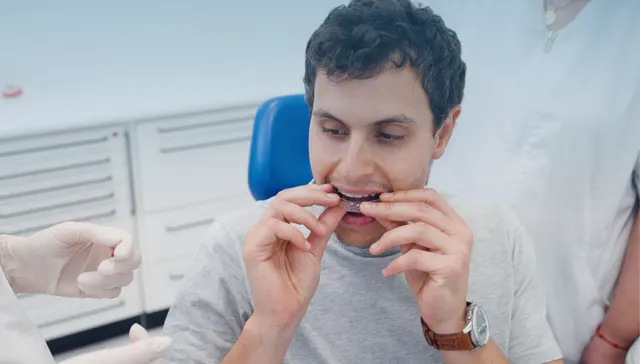
Removable retainers come in two main types: traditional Hawley retainers (wire and plastic) and clear plastic retainers (similar to Invisalign trays).
Benefits:
- Easy to clean
- Can be removed for eating and special occasions
- More comfortable for some patients
Considerations:
- Requires discipline to wear consistently
- Can be lost or damaged
- May need replacement over time
Many orthodontists recommend a combination approach: a fixed retainer on lower teeth plus a removable retainer for upper teeth. This provides maximum protection against teeth from shifting after braces.
How Long Should Retainers Be Worn?
Here’s the truth that many patients don’t want to hear: You should ideally wear your retainer for life.
Typical retainer wear schedule:
- First 3-6 months: Full-time wear (22+ hours per day)
- 6-12 months: Night-time wear only
- After 12 months: Several nights per week, gradually reducing
- Long-term: At least 1-2 nights per week indefinitely
The specifics vary based on your orthodontist’s recommendations and your individual case. Some orthodontic patients may need braces or more intensive retainer wear if they have severe crowding or complex bite issues.
The investment you made in orthodontics is significant. Wearing your retainer long-term is a small price to pay to maintain your perfect smile and keep your teeth straight.
Signs Your Teeth Are Moving After Braces
How do you know if you’ve noticed your teeth starting to move? Watch for these warning signs:
Physical changes:
- Gaps appearing between teeth that were previously closed
- Front teeth becoming crooked or overlapping
- Your bite feels different when you chew
- Teeth feel loose or wiggly
Retainer-related signs:
- Your retainer feels tight or uncomfortable when you put it in
- The retainer doesn’t fit properly anymore
- You have difficulty getting your retainer on
- Pain or pressure when wearing your retainer after not wearing it for a while
If you experience any of these signs, contact your orthodontist as soon as possible. Early intervention makes it much easier to fix shifted teeth than waiting until teeth have shifted significantly.
What Armadale Patients Should Do If Their Teeth Start Shifting
If you’ve realised your teeth have moved, don’t panic. Here’s what to do:
Step 1: Contact your orthodontist immediately.
The sooner you address the problem, the easier it is to correct. Your orthodontist may recommend starting to wear your retainer more often or getting a new retainer made.
Step 2: Resume or increase retainer wear.
If your retainer is still fitting (even if it’s tight), start wearing it as much as possible. This can sometimes prevent further movement.
Step 3: Don’t force a retainer that doesn’t fit.
If your retainer won’t go on or causes significant pain, don’t force it. You could damage your teeth. Instead, see your orthodontist to assess the situation.
Step 4: Be honest about retainer compliance.
Tell your orthodontist the truth about how often you’ve been wearing your retainer. They’re not there to judge; they need accurate information to help you.
Can Teeth Be Re-Straightened Without Full Braces?
Good news: if caught early, shifting teeth can often be corrected without going through full braces again.
Options include:
- Increased retainer wear: Sometimes, wearing your retainer more frequently can shift teeth back
- New retainer: A retainer made to fit your current tooth position, then gradually adjusted
- Short-term braces: A few months of traditional braces to correct minor issues
- Clear aligners: Invisalign or similar systems can fix shifted teeth after braces more discreetly than metal braces
- Limited orthodontics: Treatment focusing only on problem areas
The key is catching the movement early. The longer you wait, the more likely you’ll need comprehensive treatment again.
Why Specialist Orthodontic Care Matters for Long-Term Stability
Seeing a specialist orthodontist (not just a general dentist offering braces) makes a huge difference in long-term results.
Here’s why:
- Specialist orthodontists complete 2-3 additional years of training after dental school
- They understand the biomechanics of tooth movement better
- They can predict which cases are more prone to relapse
- They create customised retention plans based on your specific needs
- They know how to manage complex cases that are at higher risk for teeth to shift
According to the Australian Institute of Health and Welfare, orthodontists represent about one-third of all dental specialists in Australia, making them the largest specialist group. This expertise matters when it comes to achieving and maintaining results.
Advice for Armadale Patients to Maintain Their Smile
Follow these tips to keep your teeth in their new positions:
- Wear your retainer religiously: This is non-negotiable, especially in the first year
- Keep your retainer clean: Brush it daily and soak it in denture cleaner weekly
- Store it safely: Always keep your retainer in its case when not wearing it
- Maintain good oral hygiene: Brush, floss, and visit your dentist regularly to support teeth health
- Address teeth grinding: If you grind your teeth, talk to your dentist about a night guard
- Don’t skip orthodontist check-ups: Regular monitoring helps catch problems early
- Replace worn retainers: Over time, retainers wear out and need replacement
- Protect your investment: Remember that retainers cost far less than retreatment
The common causes of relapse are all preventable with proper care and attention. Michael Woods Orthodontist in Armadale, has given you the tools to keep your smile; now it’s up to you to use them.
Conclusion: Teeth shifting after orthodontic treatment is common, but it doesn’t have to be inevitable. Understanding why teeth may want to move back and taking proactive steps to prevent it makes all the difference.
The bottom line? Your retainer is your best friend. Wear it as prescribed, maintain excellent oral hygiene, and stay in touch with your orthodontist. With proper care, you can keep your smile looking great for decades to come.
If you’ve noticed your teeth have shifted or you’re concerned about tooth movement after braces, don’t wait. Reach out to Michael Woods Orthodontist today to discuss the best way to maintain your results or address any changes you’ve seen.
Frequently Asked Questions
Is it normal for teeth to move after braces are removed?
Yes, some minor shifting is completely normal. Your teeth are held by elastic ligaments that have "memory" of their old positions. That's why wearing a retainer is essential; it prevents significant movement while bone and tissue stabilise around your teeth in their new positions.
Why do teeth shift even after successful orthodontic treatment?
Teeth shift because of elastic periodontal ligaments, ongoing jaw growth (in younger patients), daily bite forces, and natural aging. Without a retainer to hold teeth in place, these forces can cause your teeth to move back toward their original alignment over time.
How soon after braces can teeth start moving?
Teeth can shift within days or weeks after braces are removed if you're not wearing your retainer. The first 3-6 months after treatment are the most critical period, as bone and tissue are still remodelling. This is why orthodontists prescribe full-time retainer wear initially.
What types of retainers help prevent teeth from moving?
Both fixed and removable retainers are effective. Fixed retainers are bonded to the back of your teeth and work 24/7. Removable options include Hawley retainers (wire and acrylic) and clear retainers. Many orthodontists recommend using both types for the best protection against relapse.
What are the early signs that teeth are moving after braces?
Watch for: retainers feeling tight or not fitting properly, gaps developing between teeth, front teeth becoming crooked, changes in your bite, or teeth feeling loose. If you notice any of these signs, see your orthodontist immediately. Early intervention is key to preventing further movement.

Leave a Reply