

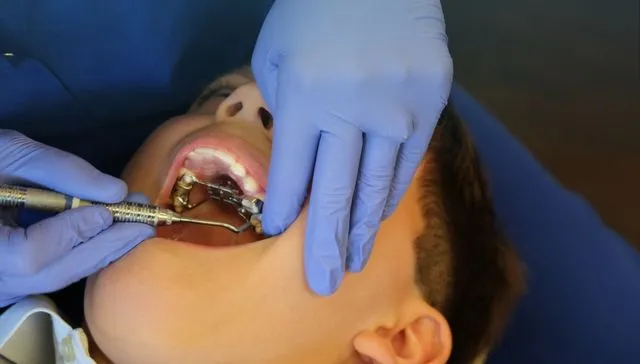
Orthodontic Emergency in Armadale: What to Do When Something Breaks or Hurts
A wire poking your cheek at 9 pm. A bracket that feels loose after lunch. A retainer that snapped in your bag. If you’re an orthodontic patient in Armadale, chances are you’ve had at least one of these moments. The first instinct is often to panic. But here’s the thing: most of what feels like a dental emergency is actually a minor inconvenience that can be managed calmly at home until you can get into the practice.
This guide walks you through the most common orthodontic issues, what to do about each one, and when it’s actually time to pick up the phone.
With 62% of Australian adults now considering orthodontic treatment, more people than ever are navigating life with braces, retainers, and other appliances. Knowing how to handle the unexpected is part of the journey.
True Emergencies vs. Minor Inconveniences: How to Tell the Difference as a Dentist Would
Not everything that feels urgent actually is. Understanding the difference between a true orthodontic emergency and a manageable inconvenience can save you a lot of stress and a lot of unnecessary after-hours calls.
Genuine emergencies that need immediate attention:
Situation | Action |
Severe facial pain or swelling | Call the practice or go to an emergency dental clinic immediately |
Trauma to the mouth (fall, impact) | Seek urgent medical or dental care right away |
Swallowed a bracket or piece of wire | Call your GP or go to the hospital if you experience discomfort |
Infection or abscess near braces | This is an urgent dental health concern. Contact us or your GP |
Minor issues that can usually wait until the next business day:
- Loose or broken bracket still attached to the wire
- Poking wire is causing mild irritation
- Snapped elastic or tie
- General soreness after an adjustment
- Mouth sores or ulcers from new braces
The rule of thumb: if there’s no severe pain, no swelling, and no risk to your general health, the issue can almost always be managed temporarily at home. Call the practice the next morning to arrange a proper repair or consultation.
Broken or Loose Bracket: What to Do in the Centre of It All
A loose bracket is one of the most common calls that orthodontic practices across Melbourne receive. It sounds alarming, but it’s rarely a cause for concern.
Here’s what to do:
- Stay calm. A bracket that’s come loose but is still threaded on the wire is not an emergency.
- Leave it in place. Do not try to pull the bracket off the wire yourself.
- Cover it with orthodontic wax if it’s rubbing against the inside of your cheek.
- Call the practice the next morning to arrange a repair appointment.
- Eat soft foods in the meantime and avoid chewing on that side of your mouth.
- Skip hard, sticky, or crunchy foods until the bracket is repaired properly.
Brackets can come loose for a number of reasons, including eating hard foods, an accidental knock to the mouth, or simply the bond weakening over time. It happens to the best of us. The important thing is not to leave it too long, as a loose bracket means that particular tooth is no longer being guided by the wire.
Poking Wire: Quick Relief for Your Oral Health and When to Call
A wire that’s shifted and started poking into your cheek or gum is uncomfortable, and it’s the kind of thing that seems to get worse the more you think about it. The good news is there are a few simple things you can do right now.
Step-by-step relief for a poking wire:
- Apply orthodontic wax. This is the single most useful tool in any brace-wearer’s kit. Roll a small piece into a ball and press it firmly over the end of the wire. It’s available at most Australian pharmacies.
- Gently push the wire flat. A clean pencil eraser can sometimes be used to nudge the end of the wire back against the tooth.
- Do not cut the wire yourself unless you genuinely have no other option. If you must, use sterile nail scissors or nail clippers and be very careful not to inhale or swallow the clipped piece.
- Call the practice. Even if you’ve managed the discomfort for the night, a wire that’s poking needs to be trimmed properly. Call first thing in the morning to get it sorted.
A poking wire is not a dental emergency in the medical sense, but it does need attention. Left too long, it can cause irritation and small mouth sores that make eating and speaking uncomfortable.
Lost or Broken Retainer: Act Fast for Your Dental Health
This one is easy to underestimate. A cracked retainer or a night without wearing it doesn’t seem like a big deal in the moment. But here’s why it matters.
Teeth have a natural “memory” and often try to move back to their original positions, linked to the elastic nature of the periodontal ligaments. Without a retainer, teeth can begin to revert within just days or weeks.
Teeth can begin to move within just a few days of not wearing your retainer. During the first few weeks after treatment, the risk of shifting is highest.
What to do if your retainer is lost or broken:
- Do not wear a cracked or broken retainer. A damaged retainer can have sharp edges that cut the gum or cheek, and it won’t hold your teeth in position properly anyway.
- Call the practice as soon as possible to arrange a replacement. The sooner you act, the less likely you are to need additional treatment to correct any movement.
- If your fixed (bonded) retainer wire has come loose, book in promptly. The teeth behind that wire are no longer being held in place.
- Do not try to reattach a fixed retainer at home.
The longer you wait, the more likely it is that teeth will shift enough to require retreatment. That’s a much bigger ask than a simple retainer replacement.
Soreness After Adjustments: What's Normal for Dental Patients
If you’ve just come back from an adjustment appointment at our Melbourne practice and your teeth feel tender and achy, you’re in the majority. This is completely normal.
What to expect:
Symptom | Normal? | What to do |
Mild aching for 2 to 4 days | Yes | Over-the-counter pain relief suitable for your age |
Teeth feeling sensitive to temperature | Yes | Avoid very hot or cold foods for a couple of days |
Difficulty biting into firm foods | Yes | Stick to soft foods while it settles |
Severe or sharp pain lasting more than 5 days | No | Call the practice |
Jaw clicking or locking | No | Contact us as soon as possible |
The discomfort after an adjustment is your mouth’s response to the teeth being guided into new positions. It typically peaks around 24 to 48 hours after your appointment and settles on its own. Paracetamol or ibuprofen (following the dosage instructions on the packaging) can help take the edge off.
Mouth Sores and Irritation: Supporting Your Oral Health Centre
New braces, new wires, and new appliances all introduce unfamiliar hardware to the inside of your mouth. For the first few weeks, especially, it’s common to develop small mouth sores or areas of irritation where brackets or wires make contact with the soft tissue.
How to manage mouth sores from braces:
- Salt water rinses. Dissolve half a teaspoon of table salt in a glass of warm water and rinse for about 30 seconds, two to three times a day. It helps soothe irritation and keeps the area clean.
- Orthodontic wax. Press a small amount over any bracket or wire that’s causing a sore spot. This acts as a cushion while the mouth toughens up.
- Avoid acidic or spicy foods that can aggravate existing sores.
- Most sores resolve within one to two weeks as the cheeks and lips adapt to the hardware.
If a sore is getting worse rather than better, or if it’s been more than two weeks and it’s not healing, call the practice. Persistent sores can occasionally signal that a bracket is sitting in an unusual position or that there’s an underlying oral health issue worth checking.
A Quick Guide: Common Issues at a Glance
Issue | Home Fix | Call the Practice? |
Loose bracket (still on wire) | Wax to protect the cheek | Yes, next business day |
Poking wire | Wax or gently push flat | Yes, the next morning |
Lost retainer | Stop wearing immediately | Yes, as soon as possible |
Post-adjustment soreness | Soft food, pain relief | Only if severe or prolonged |
Mouth sores | Salt water rinse, wax | If lasting more than 2 weeks |
Severe pain or swelling | Seek urgent care | Yes, immediately |
Trauma to the mouth | Seek urgent care | Yes, immediately |
How to Contact Michael Woods Orthodontics in Armadale for Urgent Issues
When something goes wrong with your braces, retainer, or any orthodontic appliance, the team at Michael Woods Orthodontics in Armadale is here to help you work out the next step.
Whether you’re dealing with a broken brace Melbourne-side, a wire that won’t stay put, or a retainer that’s snapped, our team is experienced with these situations and will talk you through what to do. Most issues are manageable with calm, prompt action, and we will always triage your call to help you understand whether you need to come in urgently or whether home care is appropriate until your next appointment.
Check our opening hours and contact details on our appointments page to book your next visit or ask a question.
Don’t sit on an issue hoping it’ll sort itself out. A small problem addressed early is almost always easier (and less uncomfortable) to fix than one that’s been left.
Frequently Asked Questions
What counts as a real orthodontic emergency in Armadale?
A genuine orthodontic emergency involves severe pain, facial swelling, trauma to the mouth, or a swallowed piece of hardware. Loose brackets, poking wires, and general soreness are minor issues that can be managed at home until your next appointment.
My wire is poking my cheek. Do I need to go to an emergency dental clinic?
No. Cover the wire with orthodontic wax and call the practice the following morning to have it trimmed. An emergency dental clinic is not necessary for a poking wire.
How long can I go without my retainer before my teeth shift?
Not long. Teeth can start moving within days of not wearing a retainer, especially in the months right after treatment ends. If your retainer is lost or broken, call us promptly so we can arrange a replacement.
Is it normal for my teeth to ache after an adjustment?
Yes. Mild aching for two to four days after an adjustment is a normal part of orthodontic treatment. Over-the-counter pain relief and soft foods will help. If the pain is severe or doesn't ease after a few days, give us a call.
Can I cut a poking wire myself at home?
Only as a very last resort. Use sterile nail clippers and be careful not to swallow the clipped piece. Orthodontic wax is a safer first step. Always call the practice the next morning to have the wire properly trimmed by one of our dentists.

Leave a Reply