

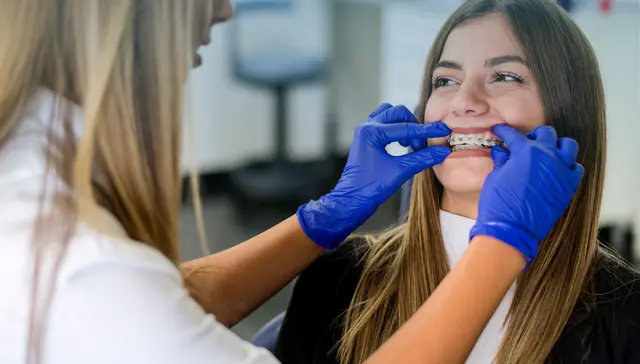
Why Traditional Braces Are Still Popular in Armadale Orthodontics
Traditional braces continue to be the most popular orthodontic treatment option in Armadale because they provide reliable, comprehensive solutions for correcting a wide range of tooth alignment issues. From mild crowding to severe bite problems, metal braces offer proven effectiveness that stands the test of time. According to Orthodontics Australia, 62% of Australian adults are considering orthodontic treatment, demonstrating the continued demand for effective teeth-straightening solutions like traditional braces.
What Are Traditional Braces?
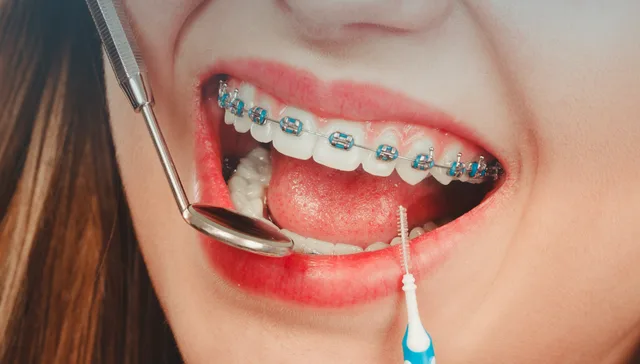
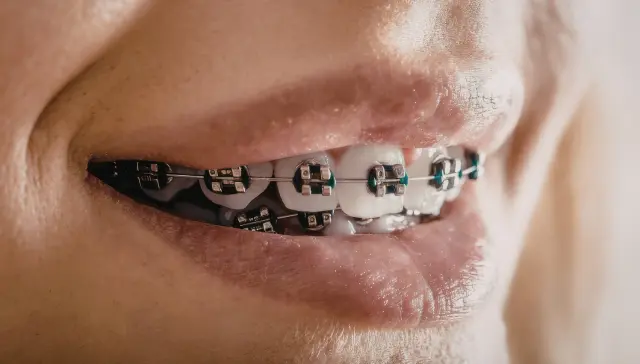
Traditional braces are a type of orthodontic treatment that uses metal brackets attached to each tooth, connected by wires that apply constant pressure to gradually move teeth into their desired position. These dental braces consist of several key components that work together to straighten teeth and correct orthodontic issues:
- Metal brackets bonded to the front surface of each tooth
- Archwires that connect the brackets and guide tooth movement
- Elastic bands that keep them in place and help direct pressure to the teeth
- Regular adjustments by your orthodontist, typically every two weeks to six weeks
Unlike removable aligners, traditional metal braces are fixed appliances that work around the clock to achieve a beautiful smile. This continuous action makes them particularly effective for complex orthodontic cases.
Proven Effectiveness for a Wide Range of Orthodontic Problems
One of the main reasons traditional braces remain popular is their ability to address virtually any orthodontic problem. Whether you’re dealing with mild cosmetic concerns or severe structural issues, metal braces are a great option that your dentist or orthodontist can rely on.
Mild to Severe Teeth Crowding
Crowded teeth occur when there isn’t enough space in your jaw for all your teeth to fit properly. This can lead to overlapping, crooked teeth, and increased risk of tooth decay and gum disease. Traditional braces excel at creating the space needed and moving teeth over time into proper alignment.
According to the Australian Institute of Health and Welfare, orthodontists represent about one-third of all dental specialists in Australia, highlighting the significant need for orthodontic care across the country. Whether you have slightly misaligned teeth or severe crowding requiring tooth extraction, traditional braces can handle it all.
Bite and Jaw Issues
Malocclusion, or improper bite alignment, affects not just your smile but also your overall oral health. Traditional braces effectively treat:
- Overbites and underbites
- Crossbites and open bites
- Gaps between teeth
- Jaw alignment problems
These orthodontic problems, when left untreated, can lead to oral health problems including uneven tooth wear, jaw pain, and difficulty chewing. By applying pressure to the teeth in precise ways, braces help achieve proper alignment and a healthy bite.
Why Traditional Braces Are Often Recommended by Orthodontists
When you book an appointment with an orthodontist in Armadale, they’ll assess your specific orthodontic case and recommend the most suitable treatment plan. Traditional braces remain a top recommendation for several reasons:
First, they work for complex cases where alternative treatments may fall short. Dr Sarah Mitchell from the Australian Society of Orthodontists notes, “Traditional metal braces provide the most comprehensive control over tooth movement, making them ideal for patients with severe misalignment or bite issues.”
Second, they don’t rely on patient compliance. Unlike removable aligners that need to be worn 22 hours a day, traditional braces work continuously. This makes them particularly effective for younger patients who might not be as diligent with removable appliances.
Third, dental professionals and orthodontists have decades of experience with this proven technology. Modern braces benefit from advanced dental technology while maintaining the reliability that has made them the gold standard in orthodontics.
Traditional Braces vs Other Orthodontic Options
Understanding the treatment options available helps you make an informed decision about your orthodontic care. Let’s look at how traditional braces compare to alternative treatments.
Braces vs Clear Aligners
Clear aligners have grown in popularity, but they’re not suitable for everyone. Here’s how they compare:
- Traditional braces can treat more complex orthodontic cases
- Aligners are removable, requiring strict patient compliance
- Metal braces work continuously without patient intervention
- Removable aligners can be lost or damaged more easily
- Treatment time may vary depending on the type of orthodontic treatment chosen
According to recent industry research, clear aligners are most effective for mild to moderate cases, while traditional braces remain the preferred choice for complex orthodontic problems.
Braces vs Lingual Braces
Lingual braces are attached to the back of the teeth, making them less visible than traditional braces. However, they come with trade-offs:
- Traditional braces are typically more comfortable
- Lingual braces can interfere with tongue movement and speech initially
- Standard metal braces are often more cost-effective
- Traditional braces are easier for orthodontists to adjust
- Both types of orthodontic braces can achieve excellent results
Your orthodontist will discuss these alternatives to braces during your consultation to help you choose the best option for your orthodontic experience.
Suitable for Children, Teenagers, and Adults in Armadale
One of the greatest advantages of traditional braces is their versatility across all age groups. At Michael Woods Orthodontics in Armadale, we see patients from young children to adults, all achieving fantastic results with braces treatment.
Braces for Children
According to Australian dental statistics, about 40% of children aged 12-14 have decay in their permanent teeth. Early orthodontic intervention with traditional braces can prevent these issues from worsening and establish good oral hygiene habits.
Children who need braces benefit from:
- Correction of bite issues while the jaw is still developing
- Prevention of more serious orthodontic problems later
- Improved self-confidence during crucial developmental years
- Better long-term dental health outcomes
Braces for Teenagers
The teenage years are the most common time for getting braces, and for good reason. By this age, most permanent teeth have erupted, allowing for comprehensive treatment. Modern braces offer options like coloured elastics that let teens personalise their orthodontic experience.
Teenagers with braces benefit from straightening teeth during a period when bone is still responsive to movement, often resulting in shorter treatment time compared to adult treatment. Self-ligating braces and other modern innovations also make wearing braces more comfortable than ever.
Adult Braces
According to Orthodontics Australia, 62% of Australian adults are considering braces, and 60% believe that a good smile can boost confidence. It’s never too late to get the smile you’ve always wanted.
Adults considering braces should know that:
- Traditional braces work just as effectively for adults
- Treatment addresses both aesthetic and functional concerns
- Straighter teeth and properly aligned bites improve overall oral health
- Ceramic braces offer a more discreet alternative if desired
- Treatment may be necessary to prevent tooth loss and gum disease
Cost-Effective and Reliable Treatment Option
When considering the cost of braces, it’s important to understand that traditional metal braces often represent the most economical choice among orthodontic treatments. While the exact cost will vary depending on your specific treatment plan and the complexity of your case, traditional braces generally offer excellent value.
According to Australian dental health statistics, nearly one-third of Australian adults have at least one tooth with untreated dental decay. Investing in orthodontic treatment now can prevent costly dental work later by ensuring teeth are properly aligned and easier to clean.
Many practices, including Michael Woods Orthodontics, offer:
- Flexible payment plans to make treatment affordable
- HICAPS facilities for immediate private health insurance claims
- Comprehensive treatment plans with no hidden costs
- Options that suit different budgets and needs
The investment in traditional braces pays dividends through improved dental health, reduced risk of tooth decay and gum disease, and the confidence that comes with a straight smile.
Modern Comfort and Improved Design
Today’s traditional braces benefit from significant advances in dental technology. Modern braces are smaller, more comfortable, and more efficient than ever before. The brackets are sleeker and less noticeable, and the wires are designed to apply gentle, consistent pressure for optimal tooth movement.
Modern braces include innovations like:
- Heat-activated wires that respond to body temperature
- Smaller metal brackets that are less intrusive
- Improved materials that reduce discomfort
- Self-ligating braces that eliminate the need for elastic ties
- Advanced techniques that shorten treatment time
Any initial discomfort typically subsides within a few days and can be managed with over-the-counter pain medications if needed. Our team of experienced orthodontists ensures your comfort throughout the entire treatment process.
What to Expect During Traditional Braces Treatment
Understanding the treatment process helps you feel prepared and confident about your orthodontic journey:
- Initial Consultation: Your orthodontist will examine your teeth, jaw, and bite to create a personalized treatment plan. This may include X-rays and photos to assess the alignment of teeth and plan your optimal outcome.
- Fitting Appointment: The orthodontist will carefully bond brackets to each tooth and thread the archwire through them. This process typically takes 1-2 hours and is painless, though you may feel some pressure.
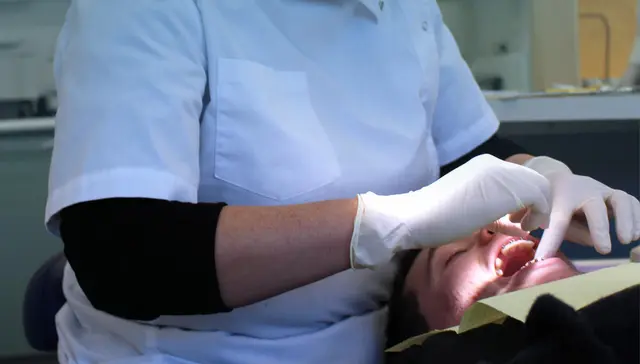
- Adjustment Visits: You’ll visit the practice regularly for adjustments. Your orthodontist will check progress, replace wires, and adjust tension to gradually move your teeth into the proper position.
- Treatment Duration: The braces will vary in how long they’re needed, depending on the severity of your orthodontic issues. Most treatments last 18-24 months, though this can vary.
- Retention Phase: After removing your braces, you’ll wear a retainer to maintain your newly straightened teeth in their proper position. This crucial step ensures lasting results.
Life With Traditional Braces in Armadale VIC
Living with braces requires some adjustments, but most patients adapt quickly. Here’s what daily life looks like with traditional braces:
- Care and Maintenance: Maintaining good oral hygiene is crucial. Brush after every meal, floss daily using special orthodontic floss, and use any recommended tools to keep teeth and braces clean. According to Australian oral health data, proper oral hygiene during orthodontic treatment is essential for preventing decay and maintaining healthy teeth.
- Dietary Adjustments: Avoid hard, sticky, or chewy foods that could damage brackets or wires. This includes things like hard lollies, caramel, and crusty bread. Your orthodontist will provide a comprehensive list of foods to avoid.
- Managing Discomfort: Some sensitivity after adjustments is normal. Soft foods and over-the-counter pain medications can help during these brief periods of adjustment.
- Regular Check-ups: Attending all scheduled appointments ensures your treatment stays on track and any issues are addressed promptly. The team at Michael Woods Orthodontics makes these visits convenient and efficient.
Most patients find that wearing braces becomes second nature after the first few weeks, and the promise of a confident smile makes any temporary inconvenience worthwhile.
Why Armadale Patients Still Choose Traditional Braces
Despite the availability of newer treatments available, traditional braces in Armadale remain the preferred choice for many patients. The reasons are clear:
- They deliver predictable, reliable results for all types of orthodontic cases
- They’re backed by decades of proven success and clinical research
- They work continuously without requiring patient compliance
- They address complex problems that other treatments can’t handle
- They offer excellent value for achieving healthy teeth and a straight smile
At Michael Woods Orthodontics, we’re proud to offer traditional braces alongside other treatments, ensuring every patient gets the right solution for their unique needs. Our experienced team stays current with the latest advances while respecting the proven effectiveness of time-tested techniques.
Conclusion
Traditional braces have earned their place as a cornerstone of orthodontics for good reason. They provide comprehensive, reliable treatment for achieving a healthier, straighter smile regardless of age or the complexity of your orthodontic issues. Whether you’re dealing with crooked teeth, misaligned teeth, bite problems, or other concerns, metal braces offer a proven path to better oral health and confidence.
If you’re considering braces for yourself or a family member, the team at Michael Woods Orthodontics is ready to help. We’ll assess your situation, explain your treatment options, and create a plan tailored to achieve a beautiful smile that lasts a lifetime. Book an appointment today to take the first step toward the confident smile you deserve.
Frequently Asked Questions
Are traditional metal braces still effective today?
Yes, traditional metal braces remain highly effective and are considered the gold standard for orthodontic treatment. They successfully treat complex orthodontic problems that other options can't address.
Why do orthodontists still recommend metal braces?
Orthodontists recommend metal braces because they deliver consistent, predictable results across all types of orthodontic cases. They work continuously and don't depend on patient compliance, making them ideal for complex treatments.
Are traditional braces suitable for adults?
Absolutely. Traditional braces work effectively for adults and can address both cosmetic and functional concerns. Many adults choose them to improve their oral health and achieve the smile they've always wanted.
How long do traditional braces usually take?
Treatment time typically ranges from 18-24 months, though this varies depending on the severity of your orthodontic issues and your individual response to treatment.
Where can I get traditional braces in Armadale VIC?
Michael Woods Orthodontics provides comprehensive orthodontic care including traditional braces in Armadale. Contact us to book an appointment and discuss how we can help you achieve a healthier, straighter smile.
Leave a Reply