

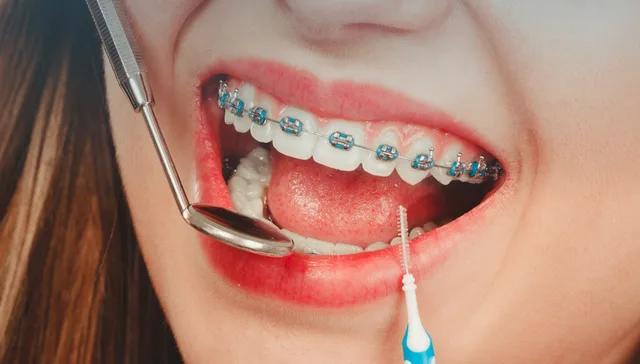
How Much Do Braces Cost in Armadale VIC? A 2026 Price Guide for Melbourne Families
If you’ve ever typed “braces cost in Melbourne” into Google at 10 pm, you already know the answer is rarely a simple number. The truth is, orthodontic treatment costs vary depending on a whole range of factors, and that can make budgeting feel overwhelming before you’ve even stepped foot in a clinic.
This guide is here to change that. We’ve put together a plain-English breakdown of what Australians can expect to pay for different types of braces in 2026, what affects the price, and how to make sense of any quotes you receive. Whether you’re looking into treatment for yourself or your child, we want you to walk away from this page feeling informed, not confused.
One more thing worth noting before we dive in: understanding how to budget for orthodontic treatment is a great starting point, but no online article can replace a proper assessment. Every case is different.
Important note on pricing: All figures in this article are general industry ranges for Victoria in 2026. They are not a quote from Michael Woods Orthodontics. Exact fees are always provided in writing after a personalised, in-person assessment. Treatment complexity, appliance type, and duration all influence your final cost.
What affects the cost of braces in Armadale?
Before looking at numbers, it helps to understand why braces cost what they do. There’s no one-size-fits-all price in orthodontics, and several key variables shape the overall cost of your treatment. Here’s what your orthodontist will be considering:
- Type of appliance: Metal braces, ceramic braces, lingual braces, and clear aligners all sit at different price points. The materials used and the level of customisation involved play a big role.
- Complexity of your case: Mild crowding is very different from a significant bite correction or a jaw alignment issue. More complex cases require more planning, more appointments, and often, more specialist skill.
- Treatment duration: A 12-month case costs less to manage than a 24-month or longer treatment plan, simply because of the number of visits and adjustments involved.
- Patient age: Children may need two-phase treatment, which can mean two separate fees over several years. Adults generally undergo single-phase treatment but may require longer treatment durations.
- Additional procedures: If an extraction, an expander, or surgical input is required, those are typically separate costs not included in the orthodontic fee.
- Specialist vs general dental provider: A registered specialist orthodontist completes an additional three years of university training beyond dental school. Their fees often reflect that depth of expertise.
- Retainers post-treatment: The type of retainer prescribed at the end of treatment can also affect your overall investment.
According to Orthodontics Australia, over 62% of Australian adults are considering orthodontic treatment, which is a strong sign that more people are asking exactly these kinds of questions.
Different types of braces and typical cost ranges in 2026
The figures below are general Victorian market ranges. They’re intended to give you a realistic starting point for your budget conversations, not a fixed price list. Many orthodontists in Melbourne and across Australia will sit somewhere within these ranges, though the final number depends on your individual case.
| Type of braces | Typical Victorian range (2026) | Best suited to |
|---|---|---|
| Traditional metal braces | Lower end of the market | All case types, including complex |
| Ceramic braces | Mid range | Adults wanting discretion |
| Lingual braces | Higher end of the market | Professionals needing full invisibility |
| Invisalign clear aligners | Mid to upper range | Adults and older teens, mild to moderate cases |
Traditional metal braces
Traditional metal braces are the most affordable type of orthodontic appliance available in Australia and remain one of the most popular options, particularly among teenagers. Metal braces are strong and effective for fixing even the most complex alignment problems, which is why many orthodontists still consider them the gold standard for comprehensive treatment.
They require regular adjustment appointments throughout treatment and are fully visible, but the trade-off is a highly reliable outcome across a wide range of case types. Braces are the most affordable option for families who want predictable, proven results.
Ceramic braces
Ceramic braces use tooth-coloured or clear brackets, making them far less noticeable than metal. They’re a popular option with adult patients in Melbourne who want effective treatment without the visibility of traditional metal braces.
Ceramic braces are less visible than metal braces and naturally blend with the colour of your teeth. The trade-off is a somewhat higher cost due to the materials used. Ceramic and lingual braces both reflect a similar desire for a discreet treatment experience, though lingual braces take that one step further.
Lingual braces (hidden behind teeth)
Lingual braces are attached to the inside surface of the teeth, making them completely invisible from the front. They are a custom-made appliance, requiring specialist lab work and significant technical skill to fit and adjust.
Lingual braces are typically the most expensive type of braces available in Australia, and for good reason. The complexity of the fitting process and the level of customisation required pushes the cost considerably higher than standard fixed appliances. They are generally suited to adults, professionals, and anyone for whom visible braces would present a real lifestyle challenge.
Invisalign clear aligners
Invisalign uses a series of removable, clear plastic trays to gradually shift teeth into position. It’s one of the most requested treatments at orthodontic practices across Melbourne and many major cities in Australia, largely because of its discreet appearance and removable nature.
Clear aligners work well for mild to moderate crowding and bite issues, but they are not suitable for every case. Among Australian orthodontists surveyed, Invisalign was the most frequently used aligner system, with adults making up the majority of aligner patients. A specialist assessment is the only way to confirm whether clear aligners are appropriate for your situation.
It’s also worth noting that Invisalign Lite, designed for simpler cases, generally sits at a lower price point than a full Invisalign treatment plan.
What's usually included in the total cost
A good orthodontic practice should be transparent about what their fee covers. At a specialist practice in Melbourne, a comprehensive orthodontic fee typically includes:
- Initial consultation and full diagnostic records, including scans, x-rays, and photographs
- All active treatment appointments throughout the course of care
- All regular adjustment visits and appliance changes during treatment
- Emergency appointments related to your orthodontic treatment
- Removal of appliances at the completion of treatment
- At least one set of retainers
- Post-treatment review appointments
Always ask your clinic to itemise exactly what is and isn’t included. Some providers charge separately for records, retainers, or review appointments, which can affect how you compare quotes.
What's usually NOT included
There are a few items that are commonly charged separately and worth factoring into your overall budget:
- Tooth extraction, if required (typically carried out by your GP dentist or an oral surgeon)
- Orthognathic surgery, if a jaw correction is part of your treatment
- Replacement retainers if the originals are lost or broken
- Treatment for any unrelated dental issues that arise during your orthodontic care
At Michael Woods Orthodontics, any potential additional costs will be explained to you clearly before treatment begins. There are no surprises.
Children vs adult treatment costs in Armadale
Children’s orthodontic treatment sometimes involves two phases. Early interceptive treatment, typically between ages 7 and 10, addresses specific developmental concerns before comprehensive braces begin at around 11 to 14 years of age. If your child needs both phases, that can mean two separate treatment fees over several years.
Adults, on the other hand, generally undergo a single phase of comprehensive treatment. However, if surgical input is needed to correct a significant jaw alignment issue, the overall cost will be higher. It’s worth knowing that over the last five to ten years, orthodontists across Australia have been treating more and more adults, with parents increasingly choosing to undergo treatment alongside their children.
To learn more about early treatment for children, visit our page on early interceptive orthodontics.
Payment plans and payment options in Armadale
Orthodontic treatment is an investment, and most specialist practices in Melbourne understand that families need flexibility when it comes to managing costs. That’s why interest-free payment plans are now a standard offering at quality orthodontic clinics.
At Michael Woods Orthodontics, we offer flexible payment options designed to make treatment accessible for Armadale families. The typical structure involves a deposit at the start of treatment, followed by monthly instalments spread across the duration of your care. No interest is charged when payments are made directly to the practice on agreed terms.
nterest-free arrangements mean you can start treatment when the time is right for your family, rather than waiting until you can pay the full amount upfront. Many orthodontists across Melbourne and other major cities in Australia offer similar interest-free payment plans, so it’s always worth asking about this when you’re comparing providers.
How to compare quotes fairly
If you’re gathering quotes from different orthodontists in Melbourne or across other cities in Australia, the best value comes from comparing like for like. A cheaper headline price may not include everything, which means the gap can close quickly once you account for add-ons.
Here are the key questions to ask every provider:
- Is this fee fixed, or is it an estimate that could change?
- Are initial records and the consultation included in the fee?
- Are retainers included in the total cost?
- What happens if my treatment runs longer than planned?
- Will I see the specialist orthodontist at every visit, or a technician?
Many orthodontists will also provide a detailed treatment plan in writing so you can review all costs clearly before committing.
Book your personalised consultation in Armadale
No referral needed. Get a personalised written quote after your in-person assessment.
Call us: (03) 9509 7496
549 Dandenong Road, Malvern, Melbourne VIC
The best way to understand exactly how much your orthodontic treatment will cost is to book a no-obligation consultation with our specialist team. We’ll assess your teeth and jaw, discuss your treatment goals, and provide you with a personalised, written treatment plan that covers all costs clearly, including payment plan options.
There is no referral needed to see a specialist orthodontist in Australia. You can call us or book online at a time that suits you and your family.
FAQs
Is the cost of braces tax deductible in Australia?
Orthodontic treatment is not automatically tax deductible in Australia. In some circumstances, out-of-pocket medical expenses may attract a tax offset, but eligibility depends on your individual situation. A tax professional or accountant can advise you based on your specific circumstances.
Why does a specialist orthodontist charge higher fees than a dentist offering aligner treatment?
Specialist orthodontists complete an additional three years of postgraduate university training after dental school. Their fees reflect the depth of that expertise, the diagnostic equipment they use, and the complexity of cases they're qualified to manage. For many patients, particularly those with bite or jaw concerns, that specialist input leads to significantly better long-term outcomes.
Are there more affordable treatment options for adults?
Yes. For adults with mild to moderate concerns, traditional metal braces remain the cheapest option available. Invisalign Lite is another more affordable pathway for straightforward cases. Interest-free payment plans also help spread the cost over time, making treatment accessible without the upfront outlay.
Will my treatment cost more if it takes longer than planned?
This depends on how your orthodontist structures their fees. Many specialist practices offer a comprehensive fixed fee that covers treatment until completion, even if that means longer treatment. Always ask this question upfront and confirm the answer in writing before you begin.
Do many orthodontists in Melbourne offer interest-free payment plans?
Yes, interest-free payment plans are now standard at most specialist orthodontic practices in Melbourne and across major cities in Australia. At Michael Woods Orthodontics, we offer flexible monthly instalments with no interest charged when payments are made directly to the practice on agreed terms.


Leave a Reply