

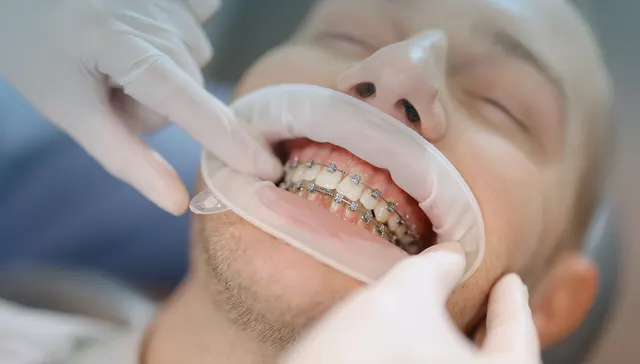
Benefits of Orthodontic Treatment for Adults in Armadale
Dental braces and clear aligners are devices used by dental professionals to straighten crooked teeth and correct bite problems in adults. Orthodontic treatment can help improve your oral health, ease jaw pain, and give you a confident smile, no matter your age. Modern treatment options make it easier and more discreet than ever, because according to research,
- 62% of Australian adults are considering or currently pursuing orthodontic treatment. (Australian Society of Orthodontists)
- 30% of Australian adults aged 15 and over had moderate or severe gum disease. (AIHW)
Why Adults in Armadale Are Choosing Orthodontic Treatment
It used to be that braces were something you got as a kid and moved on from. That’s changing fast. More adults in Armadale, and across Australia, are booking their first orthodontic appointment and finally doing something about teeth they’ve lived with for years.
According to the Australian Society of Orthodontists, 62% of Australian adults are either considering or currently pursuing orthodontic treatment. That’s not a small trend; it’s a real shift in how adults think about dental health.
So what’s changed? A few things worth knowing:
- More discreet options, clear aligners and ceramic braces mean most people won’t even notice you’re in treatment.
- Better awareness, Australians are increasingly connecting oral health to overall wellbeing, and taking action on dental issues they once put off.
- Personalised dental care, experienced dentists now offer a wide range of treatment options tailored to adult lifestyles and goals.
- It’s never too late, whether you’re in your 30s, 40s, or beyond, the dental biology is the same as it is for teenagers.
For adults near the Armadale shopping centre or coming in via the train station and bus stops nearby, quality orthodontic care has never been more accessible. At Prospect Road Dental Surgery, we see people from all walks of life who are ready to take that first step.
Here’s what happens:
- Your teeth are held in place by periodontal ligaments
- These ligaments are elastic and have “memory” of where your teeth used to be
- When braces apply pressure, they stretch these ligaments to move teeth
- Once treatment ends, ligaments want to spring back to their original state
Many patients don’t realise that the day your braces are removed is just the beginning of maintaining your straight teeth, not the end of the journey.
1. Improved Oral Health: The Core Benefit of Orthodontic Care
When most people think about braces, they think about looks. But the dental health benefits are just as significant, and often more lasting.
How Straight Teeth Support Better Oral Hygiene
Crooked teeth and misaligned teeth are harder to clean properly. Food and bacteria get trapped in tight or overlapping spaces, making it easier for plaque to build up. Over time, this can lead to tooth decay, gum disease, and inflammation of the teeth and gums that becomes serious if left untreated.
The Australian Institute of Health and Welfare reports that around 30% of Australian adults aged 15 and over had moderate or severe gum disease in 2017–18. Straighter teeth are simply easier to keep clean, which means your risk of gum disease and tooth decay drops considerably after orthodontic treatment.
Here’s what improving your dental alignment can do for your oral health:
- Easier brushing and flossing, no more awkward angles or missed spots
- Reduced gum inflammation and less plaque buildup at the gum line
- Lower risk of tooth decay, fewer hard-to-reach areas where bacteria thrive
- Better long-term oral hygiene and healthy habits become easier to maintain
- Reduced need for major dental work, less risk of tooth extraction down the track
Straight teeth aren’t just aesthetically pleasing; they’re genuinely healthier teeth.
2. Get the Smile , and the Confidence , You Deserve
There’s something about a straighter, more beautiful smile that changes how people feel about themselves. It’s not vanity, it’s confidence. And adults deserve that just as much as anyone else.
Orthodontic treatment is increasingly chosen by adults for cosmetic reasons alongside the health benefits. A confident smile can change how you show up at work, in social situations, and even in photos. Many patients tell us they’d been self-conscious about their teeth for years before finally deciding to do something about them.
The Australian Society of Orthodontists notes that adults choose treatment for a mix of reasons, from wanting to look better in photos to preparing for a big life event, to simply feeling more comfortable in their own skin.
The results speak for themselves:
- A straighter smile you feel genuinely proud of
- More confidence in professional and social settings
- An aesthetically pleasing smile that reflects the effort you’ve put in
- A perfect smile supported by the right retention plan
If you’ve been holding off because you’re worried about how treatment will look, modern dental technology has come a long way. Today’s options are subtle, effective, and designed to fit around real adult life.
3. Relief from Jaw Pain and Bite Problems
Orthodontic issues aren’t always just about appearance. Many adults live with discomfort they don’t realise is connected to misaligned teeth, and orthodontic treatment can help address that too.
Common signs that orthodontic problems may be affecting you:
- Jaw pain or clicking, often linked to bite imbalance and teeth misalignment
- Morning headaches, which can signal nighttime jaw clenching
- Uneven tooth wear is a sign that pressure to the teeth isn’t being distributed correctly
- Difficulty chewing, caused by mild and major orthodontic problems with bite alignment
- Speech difficulties, some bite issues, affect how clearly you speak
Orthodontic treatment works by applying gentle, consistent pressure on each tooth over time, gradually moving them toward their desired position. This doesn’t just straighten teeth; it can reduce jaw tension and correct the bite imbalance that’s been causing discomfort.
If you’ve been dealing with any of these symptoms, it’s worth having a chat with our dental team. These aren’t things you simply have to put up with.
Types of Braces Available for Adults at Our Dental Centre
There are more choices than ever when it comes to orthodontic treatment, and the right one depends on your teeth, your lifestyle, and your goals. Our experienced team will walk you through a range of treatment options and help you find what suits you best.
1. Metal Braces
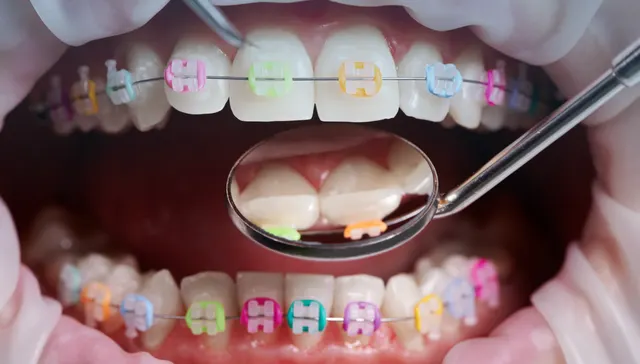
Traditional metal braces remain one of the most reliable and cost-effective ways to move teeth. Modern traditional metal braces are smaller and more comfortable than those you might remember from school. They apply consistent pressure to the teeth to gradually shift them into the right position, and they work well across a wide range of orthodontic cases, from mild crowding to more complex bite issues.
2. Ceramic Braces
Ceramic braces work exactly like metal braces, but the brackets are tooth-coloured, making them much less noticeable. They’re a popular choice for adults who want the effectiveness of fixed dental braces without drawing attention, a solid middle-ground between function and appearance.
3. Clear Aligners
Clear aligners are removable plastic trays custom-made to fit your teeth. They’re virtually invisible, comfortable to wear, and let you eat and drink normally. You’ll work through a series of aligners that gradually move teeth toward their desired position. Clear aligners are often preferred for mild to moderate orthodontic issues and suit adults who want flexibility.
| Feature | Metal Braces | Ceramic Braces | Clear Aligners |
|---|---|---|---|
| Visibility | More visible | Tooth-coloured | Nearly invisible |
| Removable? | No | No | Yes |
| Best for | Complex cases | Moderate cases | Mild–moderate cases |
| Cleaning | Requires care | Requires care | Easy, remove to clean |
Long-Term Investment, Preventing Costly Dental Problems Later
Orthodontic treatment is an upfront investment, but for most adults, it pays for itself many times over by preventing more serious dental issues down the track.
Here’s what well-aligned teeth can help prevent:
- Tooth decay, straight teeth are easier to brush and floss, reducing decay risk significantly
- Gum disease and misaligned teeth make oral hygiene at the gum line much harder to maintain
- Uneven tooth wear and a misaligned bite put more pressure on certain teeth, causing premature wear
- Tooth extraction, severe decay or untreated bite issues can eventually require tooth removal
- Dental implants, losing teeth due to preventable issues, is complex and costly to address
The Australian Institute of Health and Welfare estimates Australians spent around $12.5 billion on dental services in 2022–23, much of it treating conditions that earlier intervention could have prevented. Orthodontic treatment is one of the most effective preventive dental services available.
Many major health insurance companies in Australia include orthodontic cover in their extras policies, so it’s worth checking your cover before assuming treatment is out of reach. Our dental office team can walk you through your options at your next dental appointment.
Why Choose Prospect Road Dental Surgery for Orthodontics in Armadale
When it comes to orthodontics in Armadale, you want a dental clinic that genuinely knows what they’re doing and genuinely cares about getting it right for you.
Choose Prospect Road Dental Surgery, and you’ll have access to:
- An experienced team of dental professionals who handle everything from routine dental services to complex orthodontic cases
- Expert orthodontic care that aligns with the standards of the Australian Dental Association
- Advanced dental technology for accurate diagnosis and treatment planning
- A full range of treatment options, from traditional braces to ceramic braces and clear aligners, all under one roof
- Personalised dental plans, because no two smiles are the same
- A friendly team that makes you feel comfortable from your very first dental appointment through to your final check-up
- Exceptional dental care at every step, from your initial consultation to your custom treatment plan
We’re proud to be a trusted dental centre for adults seeking braces in Armadale. Whether you’re exploring orthodontic services for the first time or returning after years of putting it off, our team is ready to help make the process as smooth as possible.
Ready to take the next step?
Book a dental appointment with our friendly team today. We’ll walk you through every option available, give you an accurate estimate of your treatment timeline, and build a plan around your life. Call us now or book online, we’d love to help you get the smile you’ve always wanted.
Thinking about making a change but not quite sure where to start? You’re not alone. Many adults in Armadale come to us having spent years assuming it was too late or too complicated. With modern dental technology and flexible orthodontic services designed around real adult life, it’s never been easier. Whether you need minor adjustments or more comprehensive care, our experienced team is here. Book your dental appointment at Michael Woods Orthodontics today.
How Long Should Retainers Be Worn?
Here’s the truth that many patients don’t want to hear: You should ideally wear your retainer for life.
Typical retainer wear schedule:
- First 3-6 months: Full-time wear (22+ hours per day)
- 6-12 months: Night-time wear only
- After 12 months: Several nights per week, gradually reducing
- Long-term: At least 1-2 nights per week indefinitely
The specifics vary based on your orthodontist’s recommendations and your individual case. Some orthodontic patients may need braces or more intensive retainer wear if they have severe crowding or complex bite issues.
The investment you made in orthodontics is significant. Wearing your retainer long-term is a small price to pay to maintain your perfect smile and keep your teeth straight.
Signs Your Teeth Are Moving After Braces
How do you know if you’ve noticed your teeth starting to move? Watch for these warning signs:
Physical changes:
- Gaps appearing between teeth that were previously closed
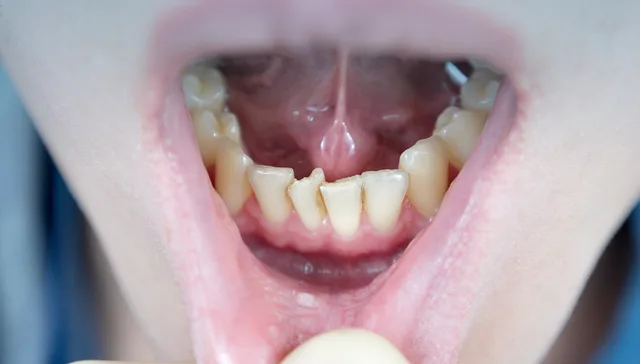
- Front teeth becoming crooked or overlapping
- Your bite feels different when you chew
- Teeth feel loose or wiggly
Retainer-related signs:
- Your retainer feels tight or uncomfortable when you put it in
- The retainer doesn’t fit properly anymore
- You have difficulty getting your retainer on
- Pain or pressure when wearing your retainer after not wearing it for a while
If you experience any of these signs, contact your orthodontist as soon as possible. Early intervention makes it much easier to fix shifted teeth than waiting until teeth have shifted significantly.
What Armadale Patients Should Do If Their Teeth Start Shifting
If you’ve realised your teeth have moved, don’t panic. Here’s what to do:
Step 1: Contact your orthodontist immediately.
The sooner you address the problem, the easier it is to correct. Your orthodontist may recommend starting to wear your retainer more often or getting a new retainer made.
Step 2: Resume or increase retainer wear.
If your retainer is still fitting (even if it’s tight), start wearing it as much as possible. This can sometimes prevent further movement.
Step 3: Don’t force a retainer that doesn’t fit.
If your retainer won’t go on or causes significant pain, don’t force it. You could damage your teeth. Instead, see your orthodontist to assess the situation.
Step 4: Be honest about retainer compliance.
Tell your orthodontist the truth about how often you’ve been wearing your retainer. They’re not there to judge; they need accurate information to help you.
Can Teeth Be Re-Straightened Without Full Braces?
Good news: if caught early, shifting teeth can often be corrected without going through full braces again.
Options include:
- Increased retainer wear: Sometimes, wearing your retainer more frequently can shift teeth back
- New retainer: A retainer made to fit your current tooth position, then gradually adjusted
- Short-term braces: A few months of traditional braces to correct minor issues
- Clear aligners: Invisalign or similar systems can fix shifted teeth after braces more discreetly than metal braces
- Limited orthodontics: Treatment focusing only on problem areas
The key is catching the movement early. The longer you wait, the more likely you’ll need comprehensive treatment again.
Why Specialist Orthodontic Care Matters for Long-Term Stability
Seeing a specialist orthodontist (not just a general dentist offering braces) makes a huge difference in long-term results.
Here’s why:
- Specialist orthodontists complete 2-3 additional years of training after dental school
- They understand the biomechanics of tooth movement better
- They can predict which cases are more prone to relapse
- They create customised retention plans based on your specific needs
- They know how to manage complex cases that are at higher risk for teeth to shift
According to the Australian Institute of Health and Welfare, orthodontists represent about one-third of all dental specialists in Australia, making them the largest specialist group. This expertise matters when it comes to achieving and maintaining results.
Advice for Armadale Patients to Maintain Their Smile
Follow these tips to keep your teeth in their new positions:
- Wear your retainer religiously: This is non-negotiable, especially in the first year
- Keep your retainer clean: Brush it daily and soak it in denture cleaner weekly
- Store it safely: Always keep your retainer in its case when not wearing it
- Maintain good oral hygiene: Brush, floss, and visit your dentist regularly to support teeth health
- Address teeth grinding: If you grind your teeth, talk to your dentist about a night guard
- Don’t skip orthodontist check-ups: Regular monitoring helps catch problems early
- Replace worn retainers: Over time, retainers wear out and need replacement
- Protect your investment: Remember that retainers cost far less than retreatment
The common causes of relapse are all preventable with proper care and attention. Michael Woods Orthodontist in Armadale, has given you the tools to keep your smile; now it’s up to you to use them.
Conclusion: Teeth shifting after orthodontic treatment is common, but it doesn’t have to be inevitable. Understanding why teeth may want to move back and taking proactive steps to prevent it makes all the difference.
The bottom line? Your retainer is your best friend. Wear it as prescribed, maintain excellent oral hygiene, and stay in touch with your orthodontist. With proper care, you can keep your smile looking great for decades to come.
If you’ve noticed your teeth have shifted or you’re concerned about tooth movement after braces, don’t wait. Reach out to Michael Woods Orthodontist today to discuss the best way to maintain your results or address any changes you’ve seen.
Frequently Asked Questions
Am I too old to get braces or orthodontic treatment in Armadale?
Not at all , there's no upper age limit. Healthy teeth can be moved at any age, and orthodontic treatment is just as effective for adults as it is for teenagers. As long as your teeth and gums are in reasonable health, our dentist can assess your options and put together a treatment plan that works for you.
What types of braces are available for adults at your Armadale dental clinic?
We offer traditional metal braces, ceramic braces, and clear aligners. The best fit depends on your orthodontic problems, lifestyle, and goals , our team will recommend the right option after assessing your dental health at your first appointment.
How long does orthodontic treatment take for adults?
It varies. Dental braces may take anywhere from 6 months to 2 years, depending on complexity. Your dentist will provide you with an accurate estimate based on your specific situation at your initial consultation.
Will orthodontic treatment affect my day-to-day life?
Minimal disruption for most people. There's usually some initial tenderness in the first week or two, then most adults barely notice it. Clear aligners are removable, so they're especially easy to live with. Our friendly team will give you practical tips to keep things simple throughout your treatment.

Leave a Reply