

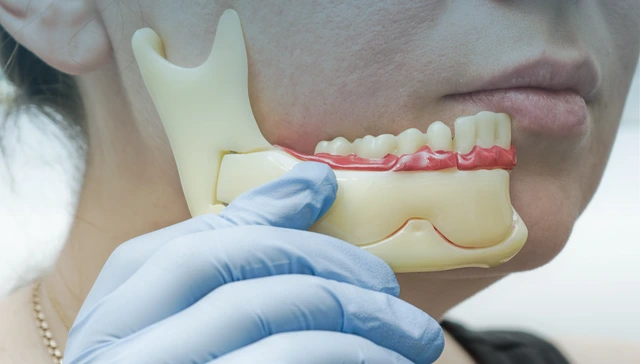
Lower Jaw Prominence and Concave Lip Profile: Causes, Effects, and Orthodontic Treatment Near Armadale
If you’ve ever looked at yourself side-on in a mirror and felt like your lower jaw sits too far forward: or that your face has a hollow, ‘dished-in’ look: you’re not imagining things. This is a real and recognised orthodontic condition, and it has a name: significant horizontal lower jaw prominence with lip profile concavity.
A lot of patients who come to Michael Woods Orthodontics near Armadale feel self-conscious about this. Some have spent years trying to ignore it. Others have been told it’s just the way they’re built and there’s nothing to do about it. But that’s simply not the case. Whether you’re a parent noticing these signs in a growing child, a teenager affected by it, or an adult who’s been living with it for years: there are real treatment options, and the earlier you seek an assessment, the better.
Understanding the Classification of Teeth and Jaws: What Is Lower Jaw Prominence?
When we talk about the orthodontic classification of face and teeth, the position of the jaw is one of the most important factors. In an ideal bite, the upper jaw sits slightly in front of the lower. When the lower jaw extends further forward than the upper, this is called a Class III skeletal pattern: or mandibular prognathism.
In less severe cases, this might only be obvious on a cephalometric X-ray. But when significant, the effects are visible on the face and teeth and jaw:
- The chin and lower lip protrude noticeably at rest
- The lower teeth and jaw sit in front of the upper teeth: known as a reverse bite or anterior crossbite
- The facial profile takes on a concave appearance: a sunken midface, with the chin and lower face pushed forward
- The upper lip appears to be tucked inward, altering lip position and lip profile
This goes well beyond a cosmetic concern. It’s a structural issue that affects how your teeth function, how your face ages, and: for many people: how they feel walking into a room.
What Causes This Condition? Classification of the Teeth and Facial Development
The causes are predominantly genetic. This is important to understand because no amount of postural correction, jaw exercises, or lifestyle changes can fix a skeletal discrepancy.
There are three main origins:
- Overgrowth in the lower jaw (mandibular prognathism): The lower jaw simply grows more than the upper
- Undergrowth of the upper jaw (maxillary hypoplasia): The upper jaw fails to develop adequately, creating the impression that the lower jaw is dominant
- A combination of the two: Both occur simultaneously: and this is actually fairly common
Class III problems are usually due to an inherited pattern that runs in families. You’ll often find multiple members of the same family with a similar jaw profile. Like class II problems are genetically passed down, Class III malocclusion follows a similar hereditary pattern: though it can also be aggravated by environmental factors such as finger sucking or prolonged dummy use during early childhood, which can influence how the upper jaw develops.
Research indicates the prevalence of Class III malocclusion in Australia sits at around 2.5% ScienceDirect, which: while not the most common orthodontic presentation: still represents a significant portion of the population, particularly given the diversity of ethnic backgrounds across Melbourne and surrounding areas.
Functional Consequences: More Than Just How It Looks
Beyond the facial profile and appearance concerns, a prominent lower jaw with reverse bite creates genuine functional problems for the teeth and jaws.
- Abnormal chewing forces: The upper and lower teeth meet incorrectly, placing stress on teeth that aren’t designed for it
- Uneven tooth wear: The lower teeth and jaw project forward, causing the upper front teeth to bear the brunt of bite forces
- Difficulty biting: Foods that require a clean front bite: like biting into an apple: can be genuinely difficult
- Gum recession: The upper front teeth, when under reverse bite pressure, are vulnerable to gum recession over time
- Jaw joint discomfort: TMJ issues can develop or worsen as a result of the skeletal disharmony: the joint isn’t working in a position it was designed for
These aren’t problems that stay static. Without treatment, they tend to worsen as the teeth wear and the jaw continues to settle.
Treatment Options
Early Intervention for Growing Children
The best window for interceptive treatment is between about 8 and 12 years of age, while the bones of the face are still actively growing. At this stage, an orthodontist can work with the growth of the upper jaw and the growth of the lower jaw to guide development in a better direction.
Common approaches include:
- Reverse pull headgear (facemask): Applies gentle forward force to bring the upper jaw forward, improving the jaw relationship before it becomes entrenched
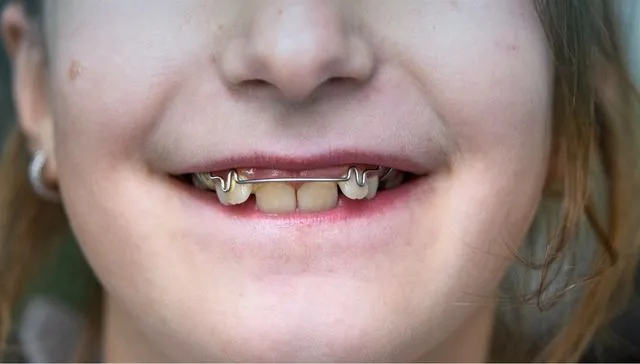
- Upper jaw expansion: Widens the upper jaw to improve width coordination and create space for the upper teeth
The goal of early intervention is not necessarily to complete treatment: it’s to reduce severity, so that any later treatment is simpler and, in some cases, surgery can be avoided altogether. Class II problems are treated via similar early intervention principles, and the same logic applies here.
Orthodontic Braces in Adolescence
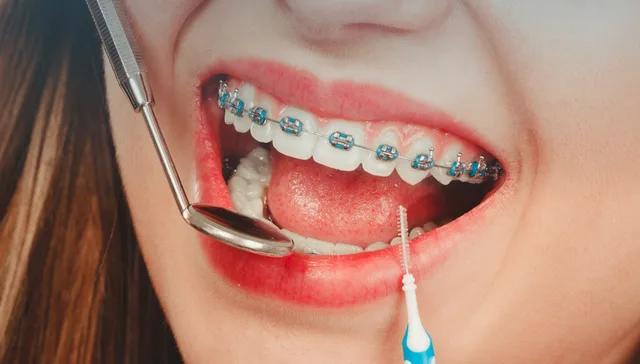
Once skeletal growth has largely completed: typically in mid-to-late adolescence: orthodontic treatment with full braces is used to align the upper and lower teeth within the jaw framework. This phase refines the bite and positions the teeth and jaws into harmony with each other.
This works well when the skeletal discrepancy is mild to moderate and malocclusion is treated with orthodontic procedures that can compensate for the underlying bone position. It’s important to note, though, that orthodontic malocclusions of a significant skeletal nature have limits when treated with braces alone.
Combined Surgical and Orthodontic Treatment in Adults
For adults with a significant class III malocclusion: where the skeletal disharmony may require more than braces can achieve: the gold standard is surgery in conjunction with orthodontic treatment.
This combined approach involves:
- Pre-surgical orthodontics: braces align the teeth in preparation for surgery
- Orthognathic surgery: the jaw (or jaws) is repositioned at a skeletal level
- Post-surgical orthodontics: braces refine the final bite result
This is treated due to the skeletal complexity of severe cases: but the outcomes are transformative. Both the function and profile in the anteroposterior plane are corrected, and patients typically report dramatic improvements in quality of life.
Research published in 2024 found that patients with Class III presentations had significantly higher scores for physical pain, social disability, and aesthetic awareness before surgery: and that these improved significantly across all domains following orthognathic treatment. BioMed Central
Orthodontic procedures which may require surgery sound daunting, but for the right patient, the change in both function and confidence is well worth it.
What Makes This Different from a Mild Underbite?
It’s a fair question. Not every underbite or forward jaw position requires the same level of intervention. The key distinction is classification refers to the position of the jaws relative to each other: and the severity of the mismatch.
A mild class iii malocclusion might involve only a few millimetres of lower jaw prominence with minimal facial profile impact. These can sometimes be managed with dental compensation alone: moving the teeth to disguise the skeletal position.
But when we’re talking about significant horizontal lower jaw prominence and lip profile concavity: where the lip profile is visibly altered, the concave appearance affects the overall facial balance, and the lower teeth and jaw are clearly in front of the upper: this represents a skeletal problem that requires specialist assessment to determine the most appropriate pathway.
Like class II, this condition sits on a spectrum. Some patients need early intervention, some need braces, and some need combined surgical and orthodontic care. The only way to know is to have a proper specialist evaluation.
Why Choose Michael Woods Orthodontics Near Armadale?
Michael Woods Orthodontics is located in Malvern: approximately 3 kilometres from Armadale: and has been treating complex jaw and bite cases for over 35 years.
Here’s what you can expect:
- Professor Michael Woods brings more than three decades of specialist experience, including complex mandibular and skeletal Class III cases
- Dr Tadic specialises in difficult bite correction, including cases that have previously been assessed elsewhere and deemed complex
- First consultation includes full orthodontic records and a personalised treatment plan: no vague recommendations, just clear options based on your specific situation
- Armadale patients benefit from easy access to the Malvern practice with ample parking and flexible appointment options
If you’re uncertain whether what you’re seeing in yourself or your child warrants a consultation, the answer is simple: it’s always better to know. Early assessment gives you the most options: especially for children still in a growth phase.
Book a Specialist Assessment Near Armadale
If you’ve been thinking about your jaw profile: or noticing it in your child: the best next step is a specialist consultation.
Michael Woods Orthodontics 📍 Malvern, Melbourne (approx. 3 km from Armadale) 📞 (03) 9509 7496
Early assessment is always better: especially for children still in a growth phase. Learn more about significant horizontal lower jaw prominence and lip profile concavity, or explore what causes lack of lower jaw prominence to understand the underlying factors better.
Frequently Asked Questions
Can my child grow out of a prominent lower jaw?
No: a skeletal Class III pattern tends to worsen with growth, not self-correct. The adolescent growth spurt can actually make it more pronounced. Early assessment between ages 8 and 12 gives you the most treatment options.
Does this condition always require surgery?
Not always. Early intervention in children can sometimes prevent the need for surgery later. In mild adult cases, orthodontic treatment alone may be enough. Surgery is recommended when the jaw discrepancy is too significant for braces to correct on their own.
How does treatment change the facial profile?
It can be quite dramatic: especially with surgical treatment. The midface fills out, the chin moves into better proportion, and the lips return to a more balanced position. The result looks natural, not artificial.
What is the ideal age to start orthodontic assessment for a prominent lower jaw?
Around age 7 to 8 is a good starting point, even if treatment doesn't begin straight away. Early monitoring allows the orthodontist to time any intervention with the child's natural growth phase for the best outcome.
Will the change to my profile be noticeable after treatment?
Yes: most patients find it more noticeable than they expected. Changes to the chin, lower lip, and overall facial balance are visible in both photos and everyday life. Many patients say people around them notice something different, even if they can't quite put their finger on what it is.
Leave a Reply