

How Orthodontic Treatment Can Improve Your Child’s Speech and Confidence in Armadale
Most parents in Armadale start thinking about braces when they notice their child’s teeth looking crooked or crowded. That makes sense. But here is something worth knowing: orthodontic treatment does a lot more than create a straighter smile. It can shape how your child speaks, how they chew, how they breathe at night, and how they feel about themselves when walking into a classroom.
This article is for Armadale parents who want the full picture, not just the cosmetic one.
Why Orthodontics Is About More Than a Straighter Smile
Across Melbourne and beyond, orthodontic care is increasingly being recognised as a health investment, not just an appearance upgrade. According to the World Health Organisation, malocclusion is one of the top three oral diseases in the world, and it can impair key functions, including mastication, speech, swallowing, and temporomandibular joint function.
Put simply, jaw alignment problems in children are common, they are consequential, and in most cases, they are very manageable with the right orthodontic treatment options and the right timing.
Global research puts the prevalence of malocclusion in children and adolescents somewhere between 39% and 93%, with dental crowding being one of the most frequent presentations, affecting up to 84% of those studied. That is a wide range, but it tells you one thing clearly: this is not a rare issue.
The Link Between Jaw Alignment and Speech
Here is something many parents in Melbourne do not realise until a speech therapist points it out: the position of your child’s teeth and jaw has a direct effect on how they produce certain sounds.
Speech development in children depends on the correct alignment of teeth and jaw. Misaligned teeth or an improper bite can make certain sounds harder to produce. Overbites, underbites, or crossbites can hinder tongue placement during speech, and misaligned teeth can restrict tongue movement, affecting how children pronounce certain sounds.
How specific bite problems affect speech:
Bite Issue | Sounds Commonly Affected | What You Might Notice |
“S”, “Z”, “Th” sounds | Lisping or slurred pronunciation | |
Overbite | “F”, “V” sounds | Difficulty closing lips to form sounds |
Underbite | “D”, “T”, “N” sounds | Slurred or unclear words |
Crowded teeth | General articulation | Muffled or indistinct speech |
It is important to be clear here: orthodontics supports speech development, but it is not a replacement for speech therapy. If your child already sees a speech therapist, addressing the underlying jaw alignment issues through braces or removable plates can often complement that work meaningfully.
If your child has crowded teeth, a noticeable gap, spacing concerns, or bite problems that seem to be affecting how they speak, it is worth having an orthodontic assessment sooner rather than later.
How Crowded or Misaligned Teeth Affect Chewing and Eating
Misaligned teeth do not just affect how a child looks or speaks. They affect how that child eats, every single day.
When the upper and lower teeth do not meet properly, children often:
- Chew on one side only, which, over time, can contribute to jaw asymmetry
- Avoid certain foods because biting into them is uncomfortable
- Experience jaw discomfort or clicking, particularly during meals
- Develop uneven wear on teeth from bite issues that go uncorrected
Early orthodontic treatment of malocclusion plays a crucial role in managing oral health and functions in children, with a focus on chewing, swallowing, breathing, and speech, alongside the correction of bad oral habits.
Correcting alignment through traditional braces, clear aligners, or removable plates helps the jaw work the way it is supposed to, making chewing easier, more even, and more comfortable. It also supports better oral hygiene because straighter teeth are simply easier to brush and floss properly, which reduces the risk of tooth decay and gum disease over time.
The Confidence Factor: Orthodontics and Your Child's Self-Image
This part matters a lot, and it is worth talking about honestly.
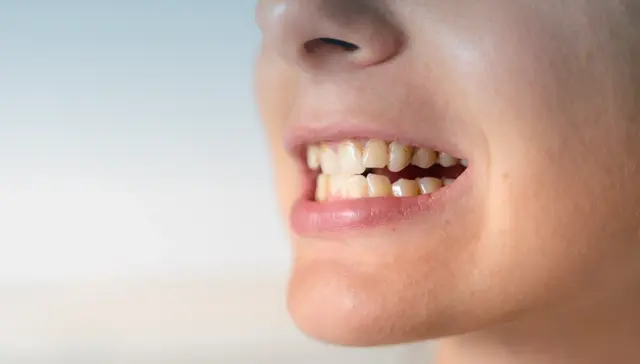
Children and teenagers are acutely aware of how they look. Crowded teeth, protruding teeth, visible gaps between teeth, or a noticeably misaligned smile can become a source of real social difficulty, particularly in the school environment.
Research shows that adolescents with malocclusion tend to have lower self-esteem scores and experience more significant negative psychosocial impacts compared to those without, and that after completing orthodontic treatment, children, adolescents, and adults show improved body image and greater confidence, which contributes to reduced anxiety in social situations.
A qualitative study following long-term orthodontic patients found that treatment had direct positive effects on self-confidence, social interactions, and perceived oral health and function, with patients describing an enhanced sense of attractiveness and social acceptance in daily life.
We are not saying braces are a cure-all for confidence. Every child is different, and self-esteem is shaped by many factors. But for children who are self-conscious about their smile, achieving straighter teeth through treatment can genuinely shift how they engage with others.
Signs your child may be struggling with their smile:
- Covering their mouth when laughing or smiling
- Avoiding photos
- Mentioning comments made by peers about their teeth
- Pulling back in social situations that were previously comfortable
These are worth taking seriously. A consultation with a dental professional is a low-pressure way to understand what options exist and whether treatment is appropriate
Mouth Breathing, Sleep, and Jaw Development
This is a section that surprises many Melbourne parents. Orthodontics and sleep quality might not seem connected, but for children with certain bite patterns, they very much are.
A 2024 study found significant variations between mouth-breathing and nasal-breathing children, affecting both soft tissue and skeletal structures. Increased facial height, an adenoid facial type, and a retrognathic mandible were all characteristics associated with mouth breathing, and researchers advise that orthodontists use these features for early detection and consider referring patients for medical treatment of mouth breathing.
In simple terms, a narrow upper jaw, a deep bite, or certain crowding patterns can make it harder for a child to breathe through their nose comfortably. When that happens, children breathe through their mouths instead, particularly at night.
Mouth breathing can contribute to snoring and disrupted sleep, and sleep disturbances can impair concentration, memory, and affect behaviour, personality, and mood. The forward thrusting of the tongue caused by mouth breathing can also affect children’s speech, typically by developing a lisp.
Signs of mouth breathing to watch for:
- Lips parted during the day, especially at rest
- Sleeping with the mouth open
- Snoring or restless sleep
- Waking up with a dry mouth
- Noticeable fatigue or difficulty concentrating during the day
Early orthodontic treatment can guide jaw growth and create space for incoming teeth, often making any later treatment shorter and simpler. Straight orthodontic appliances like expanders and removable plates can help widen the upper jaw and support better nasal breathing during these critical growth years.
A note here: mouth breathing can also be caused by enlarged tonsils, adenoids, allergies, or other ENT concerns. Your orthodontist may recommend a referral to a GP or ENT specialist alongside any orthodontic care, and that is completely appropriate. The two work together.
Orthodontics and Oral Health: The Bigger Picture
There is a practical side to all of this that is easy to overlook. Crooked teeth can make it genuinely harder to maintain good oral hygiene.
When teeth are crowded or overlapping, food particles get trapped in places a toothbrush cannot easily reach. Over time, that increases the risk of tooth decay, gum disease, and other dental problems.
Key oral health benefits of orthodontic treatment:
Benefit | How It Helps |
Easier brushing and flossing | Straighter teeth have fewer hard-to-reach areas |
Reduced tooth decay risk | Food particles are less likely to accumulate |
Lower gum disease risk | Gums fit more securely around properly aligned teeth |
Even bite pressure | Reduces wear on enamel over time |
Better jaw function | Supports comfortable chewing and reduces jaw strain |
Good oral hygiene is much easier to maintain with an aligned smile, and that pays dividends well into adulthood.
When Should Armadale Parents Act? Signs to Look Out For
The Australian Society of Orthodontists recommends that an initial orthodontic evaluation should occur at the first sign of orthodontic problems, or no later than age 7. At this early age, orthodontic treatment may not be necessary, but vigilant examination can anticipate the most advantageous time to begin treatment. Early assessment does not mean early braces. For many children, it simply means monitoring growth and knowing exactly when to step in.
Look out for these signs beyond just crooked teeth:
- Mouth breathing, especially during sleep
- Speech difficulties, including lisping or unclear pronunciation
- Jaw clicking or discomfort when opening or closing the mouth
- Uneven chewing, or chewing on just one side
- Crowded teeth, gaps between teeth, or visible spacing concerns
- Protruding front teeth that seem more exposed than normal
- Early or late loss of baby teeth
If you are based in Armadale or anywhere across Melbourne and you are noticing any of these signs, an assessment is a sensible next step. It is not a commitment to treatment. It is information.
Treatment Options at a Glance
At Michael Woods Orthodontics, we offer a range of orthodontic treatment options suited to children at different growth stages:
Treatment | Best For | How It Works |
Removable plates | Younger children, early intervention | Removable aligners that guide jaw growth gently |
Traditional braces | Most ages, complex alignment | Traditional metal braces apply gentle pressure to move teeth |
Traditional metal braces | Moderate to significant crowding | Fixed brackets that move teeth into their desired position |
Clear aligners | Older children, mild to moderate cases | Nearly invisible removable aligners gradually shift teeth |
We also offer flexible payment plans and payment options to make orthodontic care accessible for Melbourne families. Our dental team will walk you through what makes sense for your child specifically, not a one-size-fits-all plan.
Book an Assessment at Michael Woods Orthodontics, Armadale
If something in this article sounds familiar, whether it is the mouth breathing, the speech concerns, the self-consciousness, or just the crowding you have been watching for a while, an assessment is the place to start.
Our consultations at Michael Woods Orthodontics are about giving you information, not pressuring you into treatment. We serve families across Armadale and Melbourne, and we believe parents deserve a clear picture before making any decisions about their child’s orthodontic care.
Book a consultation today and let us help you understand what is going on and what, if anything, needs to happen next.
Frequently Asked Questions
Can orthodontic treatment actually fix a lisp?
In many cases, yes, particularly when the lisp is linked to an open bite or misaligned jaw. Orthodontics addresses the structural issue, but working alongside a speech therapist often gives the best results.
At what age should my child have their first orthodontic check-up?
The Australian Society of Orthodontists recommends an assessment by age 7, even if treatment is not needed yet. Early assessment helps plan and catch issues before they become more complex.
Do braces and clear aligners hurt?
There is usually some mild soreness after fittings and adjustments, but it settles quickly. Most children adapt fast, and modern appliances are designed to be much more comfortable than older versions.
Will orthodontic treatment definitely improve my child's confidence?
Research consistently shows a positive link between completing treatment and improved self-esteem, but results vary by child. The first step is an honest consultation to understand what treatment can realistically achieve.
How do I know if my child needs orthodontic care or just a dentist?
A dentist handles general dental health. An orthodontist specialises in alignment, bite, and jaw development. If you have concerns about your child's bite, speech, or crowding, a dental professional with orthodontic expertise is the right person to see.

Leave a Reply