

Early Signs of Crowding Every Armadale Parent Should Watch For
Early signs of teeth crowding in children include overlapping baby teeth, lack of space for incoming adult teeth, difficulty cleaning between teeth, and a narrow smile appearance.
According to research on Australian children, approximately 30% of 12-14-year-olds show severe or handicapping malocclusion, making early detection crucial. Spotting these signs early helps Armadale parents prevent more serious orthodontic issues down the track.
What Is Teeth Crowding in Children?
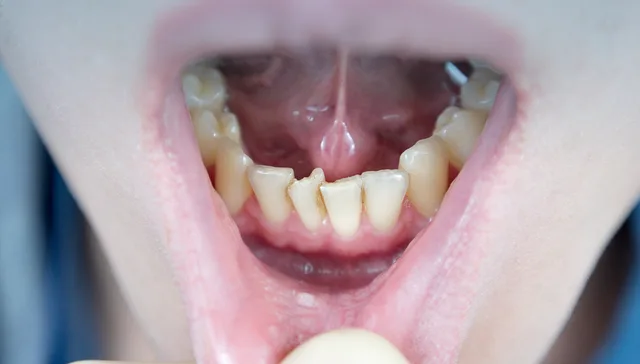
Tooth crowding happens when there’s not enough space in the jaw for all teeth to fit properly. This dental crowding issue can start showing up as early as when baby teeth first erupt.
Your child may have crowded teeth if their teeth:
- Overlap or twist instead of sitting straight
- Don’t have gaps between them (which they should have in early childhood)
- Look bunched up or squeezed together
- Are positioned at odd angles
Crowding happens when the jaw is too small for the tooth size, or when teeth come in larger than the available space. It’s one of the most common orthodontic problems we see in kids.
Why Early Detection Is Important for Armadale Families
Catching crowding early makes a real difference. Early intervention can guide jaw growth and create enough space in the mouth for permanent teeth to erupt properly.
Here’s why it matters:
- Prevention of bigger problems: Early orthodontic assessment helps identify issues before they become more complex. This can make treatment simpler later on.
- Better jaw development: Between ages 7-10, your child’s jaw is still growing. Early treatment can work with this natural growth to create space for adult teeth.
- Improved oral health: Crowded teeth can interfere with proper cleaning, leading to tooth decay and gum disease. Studies show that around 22% of Australian children aged 5-14 already have early-stage gum disease, often linked to difficulty cleaning crowded or misaligned teeth.
- Speech and chewing improvements: Severely crowded teeth can cause speech difficulties and chewing problems that affect your child’s daily life.
Early Signs of Teeth Crowding Parents Should Notice
1. Overlapping or Twisted Baby Teeth
When baby teeth start overlapping, it’s often an obvious sign that adult teeth won’t have enough space either. Baby teeth should normally sit with small gaps between them. These gaps are likely to close when larger permanent teeth erupt, so if there are no gaps now, crowding is almost certain later.
Look for:
- Baby teeth that twist or turn to fit
- Front teeth that sit on top of each other
- Teeth that angle inward or outward
2. Lack of Space for Incoming Adult Teeth
Your child may need braces if their incoming adult teeth don’t have room to come through straight. This is one of the clearest signs your child may need orthodontic care.
Watch for:
- Adult teeth are erupting behind baby teeth instead of underneath
- New teeth coming in sideways or at weird angles
- Teeth are trying to erupt but getting blocked by neighbouring teeth
3. Difficulty Cleaning Teeth Properly
When teeth are crowded, it’s hard to get floss between them or brush all surfaces properly. Your child may struggle with dental hygiene even when they’re trying their best.
This can lead to:
- Plaque buildup between overlapping teeth
- Bad breath despite regular brushing
- Tooth decay in hard-to-reach spots
- Inflamed or bleeding gums
4. Early Loss or Delayed Loss of Baby Teeth
Timing matters with baby teeth. Early loss of baby teeth or late loss of baby teeth can both signal potential orthodontic issues.
- Early loss: When baby teeth fall out too soon (from injury or decay), neighbouring teeth often shift into the empty space. This leaves no room when the adult tooth tries to erupt.
- Late loss: Baby teeth that hang around too long can block permanent teeth from coming through properly, causing them to erupt in the wrong spot.
5. Narrow Smile or Crowded Appearance
Sometimes you can just tell by looking at your child’s smile. A narrow smile where you can’t see many teeth, or where the teeth look cramped together, may indicate jaw alignment issues.
Common signs that could indicate crowding:
- Upper and lower teeth that don’t line up properly when your child closes their mouth
- A smile that looks tight or restricted
- The lower jaw appears too far back or too far forward
Signs of Crowding in Teenagers
As your child moves into their teen years, additional early signs of crowded teeth might appear:
- Bite problems: Crossbite, open bite, or jaw pain when eating can develop as adult teeth come in crooked or crowded.
- Gaps between teeth closing unexpectedly: While gaps are normal in younger kids, if they close before all permanent teeth are in, it suggests there isn’t enough space for the remaining teeth.
- Wisdom teeth complications: Research shows that crowding increases during permanent dentition, often worsening when wisdom teeth try to erupt without adequate space in the jaw.
- Self-consciousness about their smile: Teens with crooked or crowded teeth often feel embarrassed about their appearance, affecting their confidence.
When Should Armadale Parents See an Orthodontist?
The Australian Society of Orthodontists recommends an orthodontic check by age 7-8. This early assessment doesn’t always mean early treatment is needed, but it helps your orthodontist track your child’s dental development.
Book an orthodontic assessment if you notice:
- Any of the early signs your child may have mentioned above
- Your child is complaining about difficulty chewing or jaw pain
- Teeth that don’t meet properly when biting down
- Early or late loss of baby teeth
- Your dentist suggests seeing a specialist
Common signs of dental crowding needing attention:
- Losing baby teeth way earlier or later than other kids the same age
- Adult teeth are growing in before baby teeth have fallen out
- Your child’s teeth are consistently getting food stuck between them
How Early Orthodontic Treatment Can Help
Early orthodontic care for children works with your child’s natural growth patterns. This is why early detection makes such a difference.
What early treatment helps achieve:
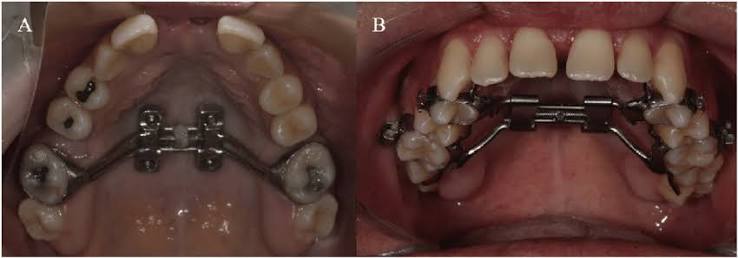
- Creating space: Orthodontic appliances can expand the jaw or hold space open so permanent teeth have room to erupt properly. This may cause fewer teeth to need extraction later.
- Guiding jaw growth: During active jaw growth phases, orthodontics can help the upper and lower jaw develop in better proportion.
- Reducing complexity: Addressing problems early often makes any needed future orthodontic treatment shorter and less complex.
- Improving function now: Early treatment helps with chewing, breathing, and speech issues that crowded teeth can cause.
What treatment looks like:
Modern braces and other orthodontic options are more comfortable than ever. Depending on what your child may benefit from, treatment might include:
- Space maintainers to hold gaps open after early baby tooth loss
- Expansion appliances to widen narrow jaws
- Partial braces to guide specific teeth into position
- Removable appliances to address habits like thumb sucking and dummy use
Data from orthodontic practices shows that patients are increasingly seeking early intervention, recognising that prevention and early care can improve their oral health outcomes.
Why Armadale Parents Trust Specialist Orthodontic Care
Orthodontists complete an additional 2-3 years of specialised training beyond dental school, focusing entirely on teeth and jaw alignment. This expert orthodontic knowledge means they can spot subtle signs of problems that a general dentist might miss.
Specialist orthodontic benefits:
- Precision diagnosis: Orthodontists are trained to see signs that could indicate future problems, not just current issues.
- Treatment planning: They understand how to time treatment to work with your child’s dental and jaw development stages.
- Experience with complex cases: Specialist orthodontists see hundreds of crowding cases and know which approach works best for each situation.
- Long-term dental health focus: They don’t just think about straight teeth, they consider how treatment affects your child’s bite, jaw position, overall oral health, and facial growth.
At Michael Woods Orthodontics, we’ve helped countless Armadale families navigate their children’s orthodontic journey. We know local kids and understand the specific needs of our community.
Book an Early Orthodontic Assessment in Armadale
If you’ve spotted any of these signs of crowded teeth in your child, don’t wait. An early orthodontic consultation gives you peace of mind and a clear plan forward.
What to expect at your first visit:
- Thorough examination of your child’s teeth, jaw, and bite
- Discussion of any concerns you’ve noticed
- X-rays or photos if needed
- Honest advice about whether treatment is needed now or should be monitored
- Clear explanation of options if orthodontic care is recommended
Michael Woods Orthodontics makes this process straightforward for Armadale families. We’ll never recommend treatment your child doesn’t genuinely need, and we’ll always explain why specific approaches will help.
Remember: Early assessment doesn’t always mean braces right away. Sometimes the best approach is simply monitoring development and starting treatment at the ideal time. But you can’t make that decision without getting an expert orthodontic opinion first.
Conclusion: Spotting early signs of teeth crowding gives your child the best chance for a beautiful smile and overall oral health. From overlapping baby teeth to difficulty with proper cleaning, these warning signs tell you when it’s time to seek specialist advice.
An orthodontic assessment around age 7-8 helps catch issues while your child’s jaw is still growing, when treatment can guide development rather than just correcting problems later. Whether your child may need full orthodontic treatment or just monitoring, getting that early check gives you the information you need to protect your child’s dental health.
Don’t let crowding become a bigger problem than it needs to be. Book your child’s orthodontic assessment today and give them the gift of a healthy, confident smile that’ll last a lifetime.
Frequently Asked Questions
At what age should Armadale children be checked for teeth crowding?
Kids should have their first orthodontic check around age 7-8, even if you haven't noticed obvious problems. This early assessment lets orthodontists spot developing issues and plan the best timing for any needed treatment.
Is tooth crowding painful for children?
Crowding itself usually isn't painful, but it can lead to issues that cause discomfort, like jaw pain from poor bite alignment, tooth decay from inadequate cleaning, or sore gums from trapped food. Some kids also experience headaches related to bite problems.
Will teeth crowding fix itself as my child grows?
No, crowding doesn't typically resolve on its own. While some temporary spacing issues in early childhood can improve naturally, true crowding usually gets worse as more permanent teeth erupt. This is why early detection and possible early intervention matter so much.
Can early orthodontic treatment reduce treatment time later?
Yes, early treatment can often reduce the complexity and duration of later orthodontic work. By creating space for adult teeth to fit properly and guiding jaw development, you may avoid more extensive treatment down the track. Some kids who get early intervention don't need comprehensive braces at all.
How can Armadale parents book an orthodontic assessment?
Contact Michael Woods Orthodontics directly to schedule your child's assessment. We serve families throughout the Armadale area and make the booking process simple. Early consultation helps you understand your child's needs and make informed decisions about their dental future.
Leave a Reply