

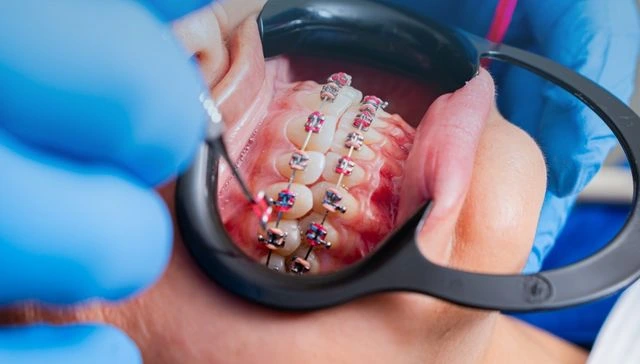
Why Armadale Families with Complex Orthodontic Conditions Trust Michael Woods Orthodontics
If you’ve been told your child has crowded teeth, a jaw problem, or a bite that doesn’t sit right, you already know that not every dental practice is equipped to handle it. Complex orthodontic conditions need more than a quick scan and a standard aligner package from a general dentist. For Armadale families, the good news is that one of Melbourne’s most experienced specialist orthodontic practices is just minutes away in Malvern.
At Michael Woods Orthodontics, patients of all ages, from young Armadale children just getting their permanent teeth through to adults dealing with long-standing dental issues, get the kind of specialist care that genuinely makes a difference. This isn’t a one-size-fits-all set-up. It’s tailored, thorough, and led by specialists with decades of real-world experience.
What Are Complex Orthodontic Problems?
Not all orthodontic cases are the same. Some teeth and jaw alignment issues are relatively straightforward. Others are far more involved, and the difference matters enormously when it comes to choosing who treats you.
Complex orthodontic problems include:
- Severe crowding: when there isn’t enough space in the jaw for teeth to fit properly
- Severe crowding: bite problems where the upper or lower front teeth sit too far forward or back
- Skeletal jaw discrepancies: Class II and Class III jaw alignment issues that affect how the face develops
- Open bites: where the upper and lower teeth don’t make contact
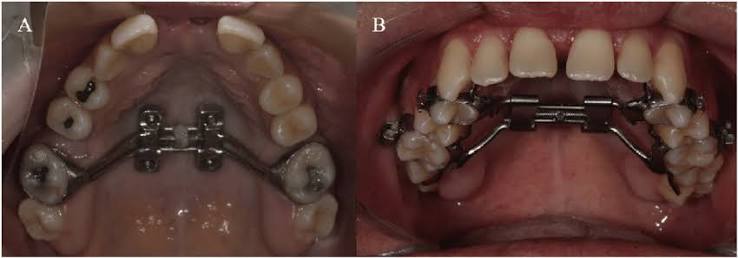
- Narrow arches: leading to dental crowding and breathing or chewing difficulties
- Teeth crowding with lip strain: where crowded teeth push against the lips
- Cases that may require surgical correction: where orthodontic treatment alone isn’t enough
These aren’t conditions where a short course and a box of clear aligners cut it. They require careful diagnosis, specialist knowledge of jaw growth, and a treatment plan built specifically for that patient.
In Australia, the prevalence of severe and handicapping malocclusion is approximately 30% in the 12–14-year-old population, according to the National Child Oral Health Study via PMC. That’s roughly one in three teenagers dealing with a bite or alignment issue significant enough to need specialist attention.
The Difference Between a Specialist Orthodontist and a General Dentist
This is one of the most important things Armadale patients can understand before starting orthodontic treatment, and it doesn’t get talked about enough.
A general dentist does incredible work, but their training focuses broadly across all areas of dentistry. An orthodontist completes an additional three-year full-time university degree in orthodontics on top of their general dental degree, according to the Australian Society of Orthodontists. That’s training beyond dental school, focused entirely on tooth movement, jaw development, bite correction, and the kind of diagnosis that complex cases require.
The practical difference? A specialist orthodontist has the depth of knowledge to:
- Identify issues before they become harder (and costlier) to fix
- Build a treatment plan that accounts for jaw growth and bone development
- Manage cases involving teeth and jaw alignment that go beyond basic crowding
- Recommend the best treatment for each patient: whether that’s braces, clear aligners, or a combination approach
When you’re seeing a specialist orthodontist, you’re not getting someone who added orthodontics to a general practice menu. You’re getting a clinician whose entire focus is on this area of dental health.
Both Professor Michael Woods and Dr Nevenka Tadic hold specialist registration as orthodontists in Australia. You can read more about their credentials on the about us page.
The Michael Woods Orthodontics Difference
35+ Years of Specialist Experience
Professor Woods has spent more than three decades treating some of the most complex cases in orthodontics. His experience spans the full spectrum: from early treatment in Armadale children, through to adult cases involving significant jaw and tooth alignment challenges. He’s internationally recognised in the field, which means Armadale families aren’t just accessing local expertise: they’re accessing world-class orthodontic care close to home.
State-of-the-Art Diagnostics for Orthodontic Treatment
Good orthodontic treatment starts with an accurate diagnosis. The practice uses digital scans, digital x-rays, and advanced imaging technology to get a complete picture of each patient’s teeth and jaw before any treatment begins. This matters especially for complex cases, where guesswork can lead to outcomes that don’t hold up long-term, or that make treatment harder down the track.
Personalised Treatment Plans: No Cookie-Cutter Approach
Every patient gets a treatment plan built around their situation. That means considering jaw structure, growth stage, existing dental health, and what the patient actually wants from treatment. Whether the right path forward is traditional metal braces, clear aligners, modern orthodontic appliances, or a combination, the decision is grounded in evidence, not convenience.
Two Specialist Orthodontists Under One Roof
Having Professor Woods and Dr Tadic working together means patients benefit from genuine clinical depth. There’s always continuity of care, and for complex cases, two experienced sets of eyes is a real advantage.
Orthodontist for Crowded Teeth: Why Catching Crowding Early Makes a Difference
Teeth crowding is one of the most common orthodontic problems we see, and it’s one where early assessment genuinely pays off. Catching crowding early makes it far easier to guide jaw growth, create enough space for permanent teeth, and avoid the need for more intensive treatment later on.
The Australian Society of Orthodontists recommends that Armadale children have their first orthodontic assessment by around age seven, even if their teeth look fine from the outside. Many dental issues that lead to serious problems later are already visible to a trained specialist at this age.
Early intervention doesn’t always mean starting braces early. Sometimes it means monitoring closely and acting at the right time. But identifying issues before they become entrenched is always better for the patient and for their long-term oral health.
Untreated crowding can also affect oral hygiene. Crowded teeth are harder to clean properly, which raises the risk of gum disease and tooth decay over time. Straighter teeth aren’t just about appearance: they’re genuinely easier to keep clean, which helps maintain good oral hygiene and prevent gum disease and tooth decay down the track.
Convenient for Armadale Families: Seeing a Specialist Orthodontist Has Never Been Easier
The practice is located at 549 Dandenong Road, Malvern: approximately 3 kilometres from Armadale. It’s accessible by tram (route 3/3a runs along Dandenong Road), or by car with street parking nearby. Opening hours include Saturdays, which makes it easier for families to fit appointments around school and work.
For patients already in active treatment, Professor Woods provides a personal emergency contact number: something you won’t find at every practice.
No Referral Needed
One thing that surprises a lot of people: you don’t need a referral to book an appointment with a specialist orthodontist. You can book directly: no GP or dentist referral is required, as noted by Orthodontics Australia.
Your first consultation at Michael Woods Orthodontics includes a full diagnostic assessment and a personalised discussion about your treatment options, so you leave knowing exactly where things stand.
This makes Michael Woods Orthodontics one of the most accessible specialist practices for Armadale patients looking to get answers quickly.
Ready to Book?
If you’re an Armadale family looking for specialist orthodontic care you can trust, Michael Woods Orthodontics is just a short drive away in Malvern. Start your journey with us today: no referral needed.
Frequently Asked Questions
Do I need a referral to see a specialist orthodontist?
No. You can book directly with Michael Woods Orthodontics without a referral from your GP or dentist.
What's the difference between a specialist orthodontist and a dentist who does Invisalign?
A specialist orthodontist holds an additional three-year university qualification beyond dental school, focused entirely on teeth and jaw alignment. A general dentist who offers Invisalign or clear aligners has completed short training courses, not the same level of specialist qualification. For complex cases, especially, that distinction matters.
How long does the first consultation take?
Allow around 60–90 minutes. The first visit includes full diagnostic records and a detailed treatment discussion.
At what age should my child have their first orthodontic check?
The Australian Society of Orthodontists recommends an early assessment around age seven. This doesn't mean treatment starts then: it means any emerging orthodontic issues can be identified early.
Can adults get orthodontic treatment too?
Absolutely. Around 62% of Australian adults are considering orthodontic treatment, according to Orthodontics Australia. Michael Woods Orthodontics treats patients of all ages, and adult cases, including complex ones, are a regular part of the practice.


Leave a Reply