

Ceramic Braces vs Clear Aligners: Which Suits Which Adult?
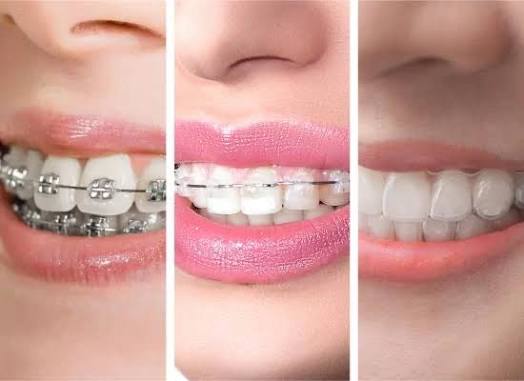
Ceramic braces stay fixed to the teeth and use tooth-coloured or clear brackets, while clear aligners are removable trays worn over the teeth. Both can appear less noticeable than conventional metal braces. The better option depends on the movements required, your oral health and which daily responsibilities you can manage consistently.
When we compare these options with an adult, we begin with the bite and the movements required. We then discuss appearance, eating, cleaning, work, travel and the amount of day-to-day responsibility each option asks of you.
A ceramic braces vs clear aligners comparison is not a contest with one universal winner. Our orthodontic assessment identifies the bite and treatment objectives before we compare appearance, convenience and cost fairly.
How ceramic braces work
Ceramic braces use brackets bonded to the front of teeth, joined by an archwire. The brackets are designed to blend more closely with tooth colour than metal brackets.
They remain attached throughout active treatment. The orthodontist adjusts the system at review appointments and may use elastics or other components where required.
Because the appliance is fixed, progress does not depend on remembering to insert it each day. It still depends on attending appointments, maintaining oral hygiene and avoiding damage.
Ceramic materials have their own handling and wear considerations. Ask which teeth would receive ceramic brackets and whether any parts of the appliance will remain metal.
How clear aligners work
Clear aligners are a sequence of transparent removable trays. Each tray is planned to guide selected movement before the patient changes to the next stage.
Tooth-coloured attachments may be bonded to teeth to improve grip and control. Elastics or other aids can also be used.
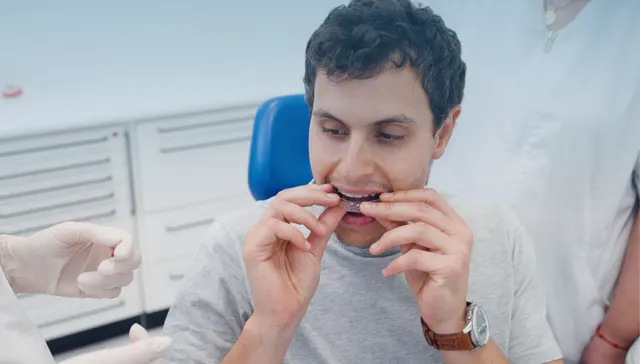
Aligners must be worn according to the plan. Removing them for too long can affect tracking. A tray that feels easy does not mean it is appropriate to skip ahead.
A digital preview represents planned movement rather than a certain result. Biological response varies, and refinement trays may be needed.
Which looks less noticeable?
Clear aligners are transparent but not invisible. Their edges, surface reflections, attachments and elastics may be visible, especially at close range.
Ceramic brackets blend with teeth but remain a fixed appliance. The archwire and other components can be seen. Clear or tooth-coloured elastics may discolour between visits depending on foods and habits.
Visibility also depends on tooth colour, lighting, lip movement and how much of the teeth show when speaking. Ask to see an appliance model rather than relying on edited promotional photography.
For some adults, the ability to remove aligners briefly for a particular event matters. Removal must still stay within the prescribed wear plan.
Which can manage more complex movement?
Fixed braces can offer direct, continuous control across a range of tooth movements. Clear aligners can also treat many cases, sometimes with attachments, elastics and staged refinements.
Some rotations, vertical movements, root positions and bite relationships may be more predictable with one method. The answer depends on the diagnosis, not a general ranking of products.
Ask the orthodontist to identify the movements that influence the recommendation. If aligners are possible only with a compromise, that compromise should be explained.
Complexity may also involve jaw width or position rather than tooth alignment alone. Another appliance, expansion, surgery collaboration or no treatment may need discussion.
Eating and drinking
Ceramic braces stay on while you eat. The orthodontist may advise avoiding hard, sticky or biting habits that could damage brackets and wires.
Aligners are normally removed for meals and for drinks other than those permitted by the clinician. They must be stored safely, and the teeth should be cleaned before trays are replaced as directed.
Adults who snack or taste food throughout the workday may find repeated removal difficult. Others prefer eating without a fixed appliance.
Discuss your actual routine. A method that works poorly in daily life can undermine an otherwise suitable plan.
Cleaning and oral health
Ceramic braces create extra surfaces around which plaque and food can collect. Cleaning requires attention around brackets, wires and the gumline.
Aligners can be removed for brushing and cleaning between teeth. The trays also need cleaning, and placing them over unclean teeth can hold debris against the tooth surface.
Neither appliance protects against decay or gum disease. Active disease may need management before movement begins, and routine dental care continues during treatment.
Speech and adaptation
Clear aligners can temporarily affect speech because the tongue contacts a new surface. Most people adapt, but timing and extent vary.
Ceramic braces sit on the front of teeth and may initially feel bulky against the lips and cheeks. Irritation can occur while tissues adapt.
Neither should be advertised as completely comfortable or without an adjustment period. Ask what is common and what symptoms need review.
If your job relies heavily on speaking, consider how each option fits, while avoiding a promise that speech will settle by a fixed day.
Daily responsibility
Aligners place considerable responsibility with the wearer. Trays need consistent wear, planned changes, cleaning and safe storage.
Ceramic braces remove the choice to take the appliance out, but patients must protect brackets, follow elastic instructions and clean carefully.
Be honest about habits. Someone who often loses removable items may prefer a fixed option. Someone who cannot accept food restrictions or visible brackets may work better with aligners.
The orthodontist should not use this discussion to judge the patient. It is practical information for selecting a workable method.
Appointments and breakages
Both options need reviews. Frequency varies with the treatment plan.
A ceramic bracket can break or detach, and wires can irritate or move. Clear aligners can be lost, cracked or stop seating correctly.
Ask whom to contact, what to do while waiting and whether replacement or breakage charges apply. Do not attempt to glue a bracket or reshape an aligner.
An urgent dental injury or significant swelling needs appropriate assessment rather than waiting for a routine orthodontic review.
Refinements and treatment changes
Aligner treatment may involve a new scan and refinement trays when teeth do not follow the initial sequence fully. Ask what refinement is included in the agreement.
Fixed treatment is also adjusted as response becomes clear. Wire sequence, bracket position or auxiliary components may change.
Treatment adaptation does not automatically mean the original plan failed. It reflects the need to respond to biological movement.
An exact completion date cannot be predicted with certainty. Ask what factors may extend or alter the plan.
Retention after both options
Teeth can move after active treatment, whether braces or aligners were used. Retainers help maintain their positions.
The type may be removable, fixed or combined. Wear and review instructions depend on the original problem and treatment.
Ask whether retainers are included in the estimate, how replacements work and how long wear is advised. A retainer can break or stop fitting.
Our retainer information explains this phase. We want you to understand retention before active treatment starts, whichever appliance you choose.
What changes the cost?
We provide an individual estimate after assessment because cost can vary with diagnosis, complexity, records, appliance, treatment time, refinements, breakages and retainers. We will explain what the estimate includes before you decide whether to proceed.
Ceramic components and aligner manufacture create different cost structures. Do not compare an advertised starting figure with a complete plan.
Ask for a written estimate stating inclusions and exclusions. Any payment plan must carry complete terms before being promoted.
Health fund benefits depend on the policy and limits. Ask the fund to assess proposed item numbers in writing.
How do ceramic braces compare with lingual braces?
Ceramic braces sit on the front and blend with tooth colour. Lingual braces are fixed behind the teeth and are not visible from the front in the same way.
Lingual treatment has different speech, tongue, cleaning and technical considerations. Dr Nevenka Tadic holds advanced training in lingual orthodontics.
Our lingual braces page explains that option. We can include it in the discussion where a behind-the-teeth appliance may be clinically appropriate.
Do not assume the least visible system suits the required movement or your daily needs.
Who may suit ceramic braces?
Ceramic braces may suit an adult who needs or prefers fixed-appliance control but wants brackets to appear less prominent than metal ones.
They may be less suitable where appliance durability, bite contact, cleaning or another clinical factor favours metal brackets or a different method.
The orthodontist may recommend ceramic brackets on selected teeth rather than everywhere. Ask why.
They still remain visible and cannot promise the appearance of having no appliance.
Who may suit clear aligners?
Aligners may suit an adult whose planned movements can be managed with trays and who can achieve the prescribed wear and care routine.
They may be less suitable where the movement needs another form of control, oral disease is active or wear is unlikely to be consistent.
Attachments or elastics may be required, changing appearance and routine. The patient should understand these before choosing.
Another option or no elective treatment may be appropriate. Assessment should not pressure someone into the product offered.
What qualifications should you check?
“Orthodontist” is a protected title in Australia. Check the AHPRA public register for specialist registration rather than relying only on marketing.
Our practice has two specialist orthodontists. Professor Michael Woods holds the inaugural Chair in Orthodontics at the University of Melbourne. Dr Nevenka Tadic is certified by the Australasian Orthodontic Board and holds advanced training in lingual orthodontics.
Their full published qualifications appear on the page to meet the orthodontists. Credentials establish training, while individual treatment response still varies.
Questions to ask at your assessment
A ceramic braces vs clear aligners decision should follow the diagnosis and required movement, not visibility alone. When we discuss ceramic braces vs clear aligners with you, we also consider which routine you can maintain throughout treatment.
- What is my diagnosis?
- Are ceramic braces and aligners both suitable?
- Which movements influence the recommendation?
- What compromises apply to either option?
- Will attachments or elastics be required?
- What cleaning and daily routine will I need?
- What are the material risks?
- What does the estimate include?
- How are refinements and breakages handled?
- What retention is planned?
You can take time to consider the plan and seek another qualified opinion.
Request a specialist assessment
Bring recent dental information, your medicine list and questions about daily routine. Explain which aspects of visibility, removal and fixed treatment matter to you.
You will find us on Dandenong Road, on the Malvern/Armadale border. Read about our adult orthodontic care, call us on (03) 9509 7496 or request an initial consultation. We can assess both options and explain which one is suitable for your clinical needs and routine.
Frequently asked questions
1. Do ceramic braces stain?
Bracket materials and surrounding elastics behave differently. Foods and habits may discolour some components. Ask about the proposed system.
2. Are aligners always faster?
No. Timing depends on diagnosis, movement, response and wear rather than visibility.
3. Can I remove ceramic braces for an event?
No. They are fixed appliances. Clear aligners are removable but must follow prescribed wear.
4. Are aligners more comfortable?
Both can cause pressure and irritation, and individual experience varies. Tell us if discomfort is persistent or concerns you.
5. Do both require retainers?
Retention is generally needed after tooth movement. The individual type and wear plan should be explained.
Leave a Reply