


Myths About Orthodontic Treatment You Should Stop Believing
Many Australians avoid seeking orthodontic care because of persistent myths surrounding braces and treatment. The truth is that modern orthodontic technology has made treatment more comfortable, faster, and accessible than ever before. According to Orthodontics Australia, 62% of Australian adults are considering treatment, yet misconceptions prevent many from taking action. Whether you’re worried about pain, cost, or thinking you’ve been putting off treatment because you’re “too old,” it’s never too late to get the facts you need about orthodontic care.
The Truth Behind Common Orthodontic Myths
Orthodontic myths debunked through modern research and patient outcomes show that many common beliefs simply don’t hold up. Let’s explore these misconceptions and discover the truth behind them.
Myth #1 : Braces Are Only for Kids
The Reality: One of the most common misconceptions about braces is that they’re exclusively for children and teenagers.
The truth? Around 20% of orthodontic patients in Australia are adults, and this number keeps growing. Many people begin treatment well into their 30s, 40s, and beyond.
Why adults get braces:
- Missed opportunities in childhood due to cost or accessibility
- Career advancement and professional appearance
- Improved dental health and oral hygiene
- Correction of bite issues that developed over time
“There’s no one reason as to why orthodontic treatment, including braces, is popular with adults now,” says Dr. Theo Baisi from the Australian Society of Orthodontists. “Whether it’s for a boost in confidence, for an upcoming wedding or as the result of feeling pressure from seeing your photo all over social media, one thing we do know is that adults have well and truly shaken off the adolescent stigma attached to braces.”
Modern braces and clear aligners like Invisalign offer discrete options that fit seamlessly into professional lifestyles.
Myth #2 : Braces Are the Only Option
The Reality: Another common misconception is that traditional metal braces are your only choice for straightening teeth.
Today’s braces are small, comfortable, and effective, but they’re far from your only option. The wide range of orthodontic treatments available includes:
Treatment options:
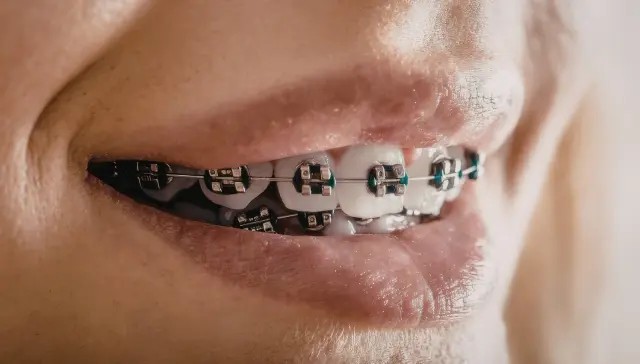
- Traditional braces : Metal brackets and wires
- Clear braces : Ceramic brackets that blend with teeth
- Lingual braces : Hidden brackets placed behind teeth
- Clear aligners : Removable trays like Invisalign
- Braces and aligners combined for complex cases
Your orthodontist can recommend the best treatment plan based on the complexity of your case, lifestyle needs, and budget. Many orthodontic practices offer flexible payment plans to make treatment more accessible.
Myth #3 : Orthodontic Treatment Is Just Cosmetic
The Reality: While a straighter smile certainly improves appearance, orthodontics addresses serious oral health concerns beyond aesthetics.
Health benefits of orthodontic treatment:
- Prevention of decay : Properly aligned teeth are easier to clean, reducing tooth decay risk
- Gum disease prevention : Straight teeth promote better oral hygiene
- Improved bite function : Correcting how teeth meet when you chew prevents jaw pain
- Reduced wear : Properly aligned teeth and jaw reduce uneven tooth wear
- Better speech : Correcting bite issues can improve speech problems
Orthodontic issues left untreated can lead to serious problems with your teeth and gums. Misaligned teeth are harder to keep clean, increasing the risk of decay and gum disease. Bite issues can cause jaw pain, headaches, and difficulty when you chew food.
Myth #4 : Orthodontic Treatment Takes Many Years
The Reality: Many people worry that braces will take forever, but modern orthodontic technology has significantly reduced treatment time.
According to Orthodontics Australia, the average treatment time is 1 to 3 years, with many cases completing faster. The length of treatment depends on:
Factors affecting treatment time:
- Severity of misalignment
- Type of orthodontic care chosen
- Age and bone density
- Patient compliance with the treatment plan
Typical timeframes:
- Mild cases: 12-18 months with braces or clear aligners
- Moderate cases: 18-24 months
- Complex cases: 24-36 months
Advancements in orthodontic technology mean that today’s braces work more efficiently than ever. Many adults complete treatment in 12-24 months, depending on their orthodontic concerns.
Myth #5 : Braces Are Extremely Painful
The Reality: People worry that braces cause constant, severe pain. While some mild discomfort is normal, modern braces are designed for comfort.
What to actually expect:
- Initial fitting: Mild discomfort when braces are first placed (not pain)
- Adjustment appointments: Slight pressure for 1-2 days after tightening
- Management tools: Orthodontic wax for any irritation, over-the-counter pain relief if needed
“The discomfort when braces are first fitted usually feels like pressure rather than sharp pain,” explains dental health experts. “Most patients adjust within a few days and find that subsequent adjustments cause less and less discomfort.”
Many patients report that their concerns about pain were far worse than the reality. Modern brackets are smaller and smoother than older versions, and advanced wires apply gentle, consistent pressure.
Myth #6 : Straight Teeth Don't Need Retainers
The Reality: Thinking your treatment ends when braces come off is a common mistake. The retainer phase is crucial for maintaining results.
Why retainers matter:
- Teeth naturally want to shift back to their original positions
- Bone and tissue need time to stabilize around newly positioned teeth
- Long-term retention prevents the need for retreatment
After your orthodontist removes your braces, you’ll need to wear a retainer as directed. Initially, this might be full-time, gradually reducing to nighttime wear. Following your retention plan is essential to keep your teeth in their new, straighter positions.
Myth #7 : Orthodontic Treatment Damages Teeth
The Reality: When performed by a qualified orthodontist with good oral hygiene practices, orthodontic treatment doesn’t cause damage to your teeth.
The truth:
- Braces are designed to move teeth safely through bone
- Proper care prevents complications
- Regular dental check-ups during treatment monitor tooth and gum health
- Most issues arise from poor hygiene, not the braces themselves
Myths surrounding tooth damage often stem from cases where patients didn’t maintain good oral hygiene during treatment. With proper brushing, flossing, and avoiding sticky or hard foods, your teeth remain healthy throughout the orthodontic process.
How to protect teeth during treatment:
- Brush after every meal
- Floss daily (using floss threaders or water flossers)
- Avoid hard, sticky, or sugary foods
- Attend all scheduled orthodontic appointments
- See your regular dentist for check-ups
Myth #8 : You Only Need to See a Dentist for Braces
The Reality: While general dentists can provide some orthodontic services, specialist orthodontists have undergone an additional three years of full-time training focused exclusively on straightening teeth and correcting jaw alignment.
The difference:
- Orthodontists completed dental school plus 3 additional years specializing in orthodontics
- They’re members of the Australian Society of Orthodontists
- They focus solely on teeth and jaw alignment
- They handle complex orthodontic issues
For the best treatment outcomes, seeing a specialist orthodontist ensures you receive expert care from someone who treats orthodontic concerns every single day. You can verify credentials through the Australian Society of Orthodontists’ website.
Myth #9 : Orthodontic Treatment Is Too Expensive
The Reality: While orthodontic treatment is an investment, myths about cost often exaggerate the financial barrier.
Making treatment affordable:
- Most orthodontic practices offer flexible payment plans
- Many health insurance policies cover a portion of orthodontic care
- Treatment costs vary based on complexity and duration
- Early consultation helps you plan financially
Rather than avoiding treatment due to cost assumptions, consult an orthodontist for an accurate quote. Many practices work with patients to create payment schedules that fit different budgets, making a straighter smile more accessible than you might think.
How to Get Accurate Orthodontic Advice
Debunking these common myths starts with getting reliable information from qualified professionals. Here’s how to start your orthodontic journey:
Steps to take:
- Book a consultation : No referral needed to see an orthodontist
- Ask questions : Discuss your orthodontic concerns openly
- Get a personalized treatment plan : Every case is unique
- Understand your options : From traditional braces to Invisalign
- Consider the long-term benefits : Think beyond immediate costs
If you’re worried about your braces options or considering braces for the first time, speaking with a specialist orthodontist provides clarity. They’ll assess your teeth and jaw, explain treatment options, and create a plan tailored to your needs.
Finding the right orthodontist:
- Check they’re registered with the Australian Society of Orthodontists
- Read patient reviews and testimonials
- Ask about experience with your specific concerns
- Discuss all available treatment options, including modern alternatives
Conclusion: The common ones among orthodontic myths often prevent people from seeking treatment they’d benefit from. From braces myths suggesting they’re only for teenagers to misconceptions about pain and cost, most barriers to treatment are based on outdated information.
Modern orthodontic care offers solutions for patients of all ages. Whether you’re considering braces, clear aligners, or other options, the advancements in orthodontic technology have made treatment more comfortable, efficient, and accessible. With 572 specialist orthodontists practicing across Australia, expert care is within reach.
Don’t let myths about orthodontics hold you back from achieving better dental health and the confident smile you deserve. You can’t eat anything with braces isn’t entirely true either : while some foods require avoiding, most dietary adjustments are minor and temporary.
Frequently Asked Questions
Are braces only for teenagers?
No, braces work for all ages. Adults represent a growing portion of orthodontic patients in Australia, with treatment just as effective regardless of age.
Is orthodontic treatment painful?
Modern braces cause mild discomfort rather than pain. Most patients experience slight pressure for 1-2 days after adjustments, easily managed with over-the-counter relief.
Can orthodontics improve jaw problems?
Yes, orthodontic treatment corrects bite issues and jaw misalignment. Properly aligned teeth and jaw improve chewing function, reduce pain, and prevent long-term complications.
Do adults need retainers after treatment?
Yes, all patients need retainers to maintain results. Teeth naturally shift over time, so wearing your retainer as directed protects your investment in treatment.
Leave a Reply