

Playing Sport with Braces: A Practical Guide for Armadale Athletes and Parents
If your child has just been told they need braces, one of the first questions you’ll probably ask is: “Can they still play sports?” It’s a fair concern, especially in Armadale and the surrounding inner Melbourne suburbs, where kids are active from a young age. AFL juniors, competitive swimmers, netballers, gymnasts, and martial arts students are all regular faces at Michael Woods Orthodontics.
The good news is that braces and sports are not mutually exclusive. With the right protection in place and a few practical adjustments, most patients can continue every activity they love throughout the full course of treatment. This guide is designed to give Armadale families the information they need to make that happen.
Can You Play Sport with Braces? Here Is What Every Parent Needs to Know
The short answer is yes. The vast majority of sports are perfectly compatible with orthodontic treatment, and there is no reason for your child to sit on the sidelines.
The key variable is contact risk. Non-contact sports like swimming, running, gymnastics, and dance carry a much lower risk profile. Contact sports, including AFL, rugby, boxing, and martial arts, require more planning because a direct blow without proper protection can damage brackets, distort wires, or cause soft tissue injuries inside the mouth.
It is also worth understanding the scale of the issue. Around 1.7 million children aged 0 to 14 in Australia participate in organised outside-of-school-hours sport at least once a week, according to the Australian Sports Commission’s AusPlay data. That is a significant number of young athletes who may be in orthodontic treatment at some stage during their sporting years. The experience of managing braces during sport is far more common than many families realise.
Braces themselves are sturdy, but they are not designed to absorb impact. The brackets sit on the tooth surface, and if a ball, elbow, or collision makes contact with the mouth without any protection in place, the result can be a broken bracket, a protruding wire, or lacerations to the lips and cheeks.
Why a Mouthguard Is Non-Negotiable: The Stage That Sets Up Every Other Stage of Protection
For contact sports, wearing a mouthguard is not optional. It is the single most important piece of protective equipment a child with braces can use.
Here is why that matters:
- With a properly fitted mouthguard, a dental injury is 60 per cent less likely.
- Despite this, only a third of children aged 5 to 17 wear a mouthguard while playing organised sports, even though other protective equipment like helmets is common.
- Dental injuries predominantly occur in people aged under 25, accounting for 71 per cent of all sporting dental injuries, and they are not limited to contact sports. Around 44 per cent of sporting dental injuries occur during active leisure activities.
A standard, off-the-shelf mouthguard from a pharmacy is not suitable for patients with braces. These guards are designed for natural teeth and do not provide the right fit or coverage once brackets and wires are in place. They can also place uneven pressure on the teeth, which can interfere with the movement planned as part of your child’s treatment.
Orthodontic mouthguards are specifically designed to accommodate fixed appliances. They sit over the braces rather than compressing against them, and they protect both the appliance itself and the soft tissue of the lips and gums.
Custom-Fitted vs Pharmacy-Bought: A Quick Comparison
| Type | Fit | Protection Level | Best For |
|---|---|---|---|
| Custom ortho mouthguard | Excellent | High | All contact and semi-contact sports |
| Boil-and-bite (ortho version) | Moderate | Moderate | Lower-contact activities |
| Standard pharmacy guard | Poor | Low | Not recommended for braces |
One important thing to plan for: as teeth begin to move throughout treatment, a mouthguard that fit well six months ago may no longer fit well today. Check the fit of your child’s mouthguard regularly, especially after adjustment appointments, and replace it when it feels too tight or too loose.
Sport-Specific Guidance for Armadale Patients: Every Age and Stage Covered
Not all sports carry the same level of risk. Use this as a general guide, and always check with your orthodontist about your child’s specific situation.
For children in Australia, the most popular organised sports include swimming, soccer, dance, basketball, and gymnastics. Here is how each activity fits within braces treatment:
1. High-Contact Sports: Mouthguard Required at All Times
- AFL, rugby, boxing, wrestling, martial arts:
These sports include the highest risk of facial impact. An orthodontic mouthguard must be worn for every training session and every game, not just competition days. If your child is considering starting martial arts during orthodontic treatment, it is worth having a conversation with your orthodontist first, as some disciplines involve repeated head contact that may need a specific protection plan.
2. Semi-Contact Sports: Mouthguard Strongly Recommended
- Netball, basketball, soccer: These sports involve less deliberate contact, but unpredictable collisions are common, including elbows, falls, and balls to the face. A mouthguard is strongly recommended, and for Melbourne-based families whose kids train year-round, it is simply good sense to make it part of the standard kit.
3. Non-Contact and Low-Risk Sports
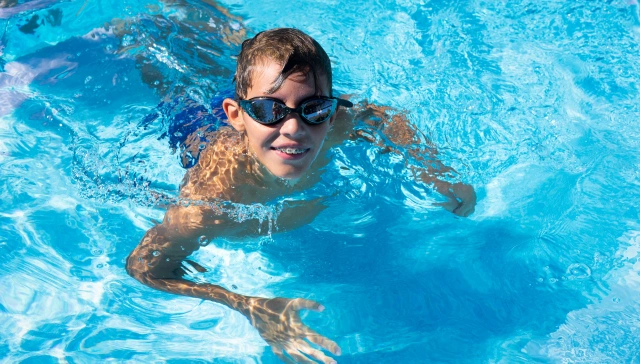
- Swimming, running, gymnastics, dance, cycling: These activities do not generally require a mouthguard during treatment. For swimmers, there is nothing specific about pool water that affects braces, though patients with elastics should be mindful about swallowing water during laps. For gymnastics and dance, the risk is low, and standard precautions apply.
A quick reference table for common Armadale sports:
| Sport | Contact Risk | Mouthguard Needed? |
|---|---|---|
| AFL | High | Yes, always |
| Rugby | High | Yes, always |
| Boxing / martial arts | High | Yes, discuss with the orthodontist |
| Netball | Moderate | Yes, recommended |
| Basketball | Moderate | Yes, recommended |
| Soccer | Moderate | Yes, recommended |
| Swimming | Low | No |
| Gymnastics | Low | No (standard precautions) |
| Dance | Low | No |
| Running / athletics | Very low | No |
What to Do If a Bracket or Wire Gets Damaged During Sport
Even with every precaution in place, accidents happen. Knowing how to respond can make the difference between a minor inconvenience and a longer delay in treatment.
Most health funds offer between $1,400 to $3,000 in lifetime orthodontic cover. This is a meaningful contribution, but it rarely covers the full cost of treatment.
- Step one: Stay calm. A broken bracket is not a dental emergency in the way that a knocked-out tooth is. Take a breath, check the mouth, and assess the situation.
If a wire is protruding and causing irritation:
- Cover the end gently with orthodontic wax. This is something every brace patient should include in their kit bag.
- Do not try to cut or bend the wire yourself.
- Call the practice to check whether it needs to be seen urgently or can wait until the next scheduled appointment.
If a bracket has come off:
- Keep it safe if possible and bring it to the appointment.
- Call Michael Woods Orthodontics to let them know. Depending on where the bracket sits and the current stage of treatment, a prompt repair appointment may be needed.
When to call immediately vs when it can wait:
| Situation | Action |
|---|---|
| Wire poking the cheek or gum | Call within 24 hours |
| Bracket off, but no pain | Call to schedule a repair visit |
| Significant pain or swelling | Call immediately or visit the emergency dental clinic |
| Swallowed a bracket | Seek medical advice promptly |
Prompt repair matters because braces apply carefully calibrated forces to the teeth. A missing bracket means one tooth is no longer being guided, which can slow progress or require the stage to be repeated.
Managing Comfort and Recovery After Training
Post-training soreness with braces is normal, and it is especially noticeable in the first few days after an adjustment appointment. Here are some ways to help manage that discomfort:
- Eat softer foods after adjustment days. Things like yoghurt, scrambled eggs, soup, and mashed potatoes are easy on the teeth and do not require much chewing force.
- Stay hydrated during and after training. Good hydration supports both athletic performance and oral health, since a dry mouth can make irritation from brackets worse.
- Use orthodontic wax on any bracket that is rubbing against the inside of the lips or cheeks, particularly after high-intensity training sessions.
- Rinse after sports, especially if your child drinks sports drinks. Sugar and acid left in contact with brackets for extended periods can affect the enamel and the area around the brackets.
A Note for Armadale Sporting Families
Getting braces fitted does not mean stepping away from the sports your child loves. Melbourne has a genuinely strong junior sport culture, and at Michael Woods Orthodontics, we work with active patients every day to make sure treatment fits around their lifestyle, not the other way around.
The most important thing you can do is bring up your child’s sports commitments at your first consultation. That way, we can build a protection plan that suits their specific activities, their age, and the particular stage of treatment they are at.
If you are ready to get started or want to learn more about how silver braces work, how long treatment takes, or to contact us directly about an appointment, the team is here to help.
Orthodontic Treatment in the Context of Long-Term Dental Health
This is worth saying clearly: orthodontic treatment is not just about getting a straighter smile. Properly aligned teeth are easier to clean, which means better oral hygiene in the long run.
When teeth are crowded or crooked, brushing and flossing become genuinely difficult. Food gets trapped in hard-to-reach areas, making it easier for plaque to build up and leading to a higher risk of gum disease and decay. Beyond aesthetics, orthodontic treatment supports your long-term oral health by making your mouth easier to maintain.
Good oral hygiene practices, including regular brushing, flossing, and dental check-ups, matter throughout orthodontic treatment too. Whether you’re in metal braces or wearing Invisalign aligners (which are removable, making it easier to maintain good oral hygiene), your dentist and orthodontist will guide you through what to expect.
Questions to Ask About Fees Before You Commit
Here’s a practical checklist you can take to your consultation:
- What is included in the total treatment fee? (Records, appointments, retainers?)
- Are retainers included, or charged separately?
- What happens if my treatment takes longer than planned?
- What is your cancellation or pause policy?
- Do you offer flexible payment options, including interest-free instalments?
- Do you process health fund claims via HICAPS on the day?
- What are your fees for emergency appointments?
- Can I get the full fee quoted in writing before I commit?
Any practice worth your trust will answer all of these without hesitation.
Serving Armadale, Kelmscott, and Greater Melbourne
Michael Woods Orthodontics works with families across Armadale, Kelmscott, and the surrounding Melbourne metropolitan region. We believe that seeking orthodontic treatment shouldn’t feel financially overwhelming, which is why we combine transparent pricing with personalised dental care and flexible payment plans tailored to your needs.
Whether you’re an adult finally considering treatment you never got as a teenager, or a parent exploring options for your child, we’ll walk you through every aspect of the proposed treatment plan and fee structure at your first consultation. No pressure, no surprises.
We are proudly a dental clinic that treats patients of all ages, from early orthodontic intervention in children to complete treatment for adults. Our team works closely with your regular dentist to ensure your dental health is supported throughout the entire process.
Book Your Appointment Today
Ready to take the first step towards the smile you deserve? Book your appointment today at Michael Woods Orthodontics for a clear, written treatment plan and a full fee breakdown.
You can book your appointment online or get in touch with our team to discuss your options. We’re happy to answer any questions about dental services, health fund rebates, or what to bring to your first visit.
Transparency and patient-first care are at the heart of everything we do at Michael Woods Orthodontics. Contact us today.
Frequently Asked Questions
Can my child start orthodontic treatment if they play contact sports?
Yes. Let your orthodontist know about your child's sporting commitments at the first consultation, so the right mouthguard plan can be set up from day one.
What type of mouthguard does my child need for braces?
An orthodontic-specific mouthguard, either custom-fitted or a boil-and-bite version, is designed to accommodate brackets and wires. Standard pharmacy guards are not suitable.
How often should we replace the mouthguard during treatment?
Check the fit after every adjustment appointment. If it feels too tight or no longer covers the braces properly, it is time for a new one.
What happens if a bracket breaks during a game?
Cover any irritating wire with orthodontic wax and call the practice. It is rarely an emergency, but it does need to be repaired promptly to keep treatment on track.
My child swims competitively. Do they need any special precautions?
Swimming is low risk, and a mouthguard is not required. Just rinse after training, keep up regular brushing, and ensure elastics are managed according to your orthodontist's instructions.
Leave a Reply