

Can Crowded Teeth Cause Gum Disease or Tooth Decay?
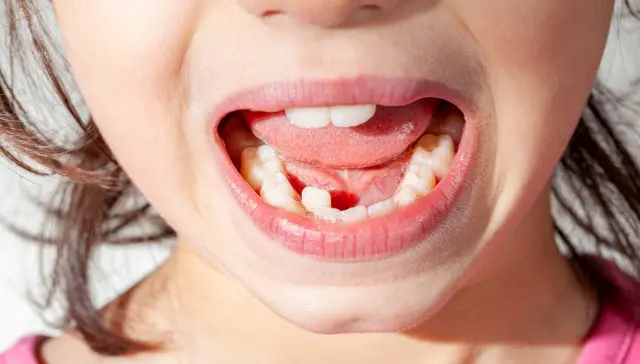
Yes, crowded teeth cause serious dental health problems. When your teeth are overcrowded, it becomes extremely difficult to clean between them properly. This creates the perfect environment for plaque and bacteria to build up, which directly leads to gum disease and tooth decay.
According to the Australian Institute of Health and Welfare, around 30% of Australian adults aged 15 years and over have moderate to severe periodontitis, with dental crowding being a major contributing factor.
What Are Crowded Teeth?
Crowded teeth occur when there isn’t enough space in the jaw for teeth to fit properly. This dental condition causes your teeth to twist, overlap, or push against each other in awkward positions. Dental crowding is actually one of the most common orthodontic problems affecting Australians of all ages.
Common Causes of Crowded Teeth Include:
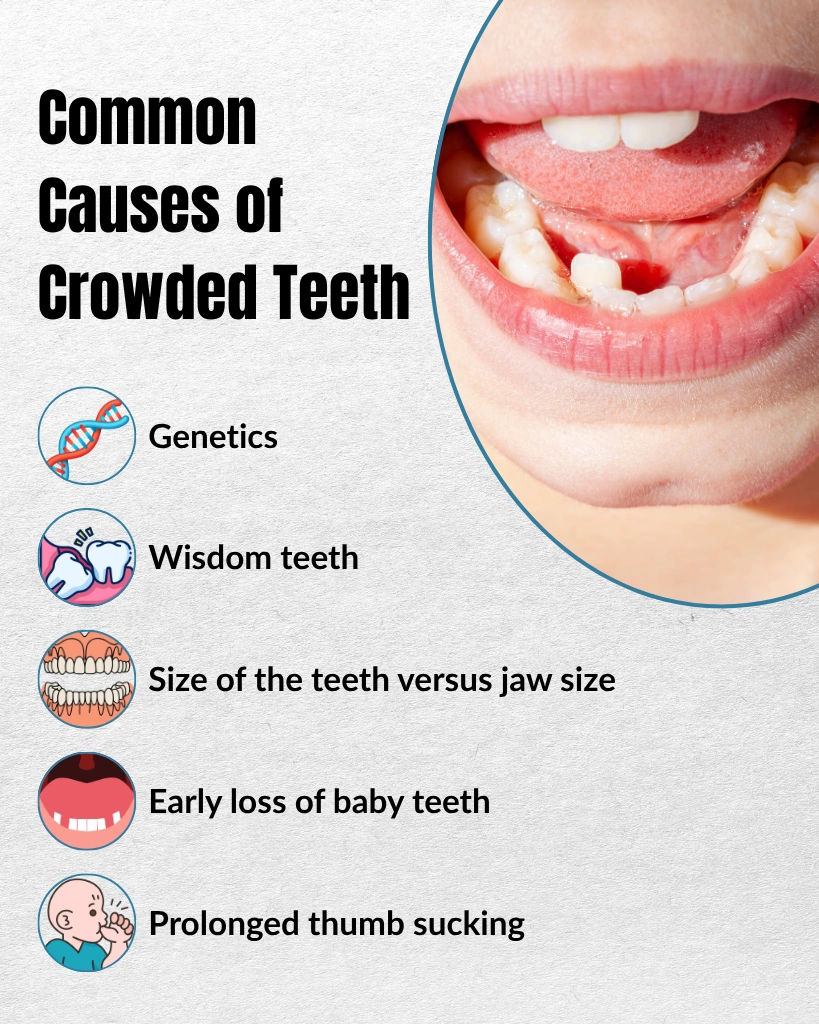
- Size of the teeth versus jaw size: When your teeth are too large for your jaw, they can’t align properly
- Early loss of baby teeth: This can cause adult teeth to shift and become crowded
- Prolonged thumb sucking: This habit in childhood can lead to misalignment
- Genetics: If your parents had overcrowded teeth, you’re more likely to experience it too
- Wisdom teeth: When wisdom teeth push through, they can create space issues
The severity of the crowding varies from person to person. Some people have mild crowding with just slight overlap, while others experience severe crowding where teeth are significantly twisted or displaced.
How Crowded Teeth Make Oral Hygiene Difficult
Here’s the real problem with dental crowding: it creates physical barriers that make it harder to maintain proper dental care. When your teeth overlap, standard brushing and flossing techniques just don’t cut it.
Why Cleaning Becomes Challenging:
- Tight spaces trap food particles: Bits of food get stuck between overlapping teeth where your toothbrush can’t reach
- Plaque builds up faster: Bacteria accumulate in the nooks and crannies created by crooked teeth
- Flossing becomes nearly impossible: You can’t get dental floss between teeth that are pressed tightly together
- Bad breath develops: Trapped food and bacteria create unpleasant odours that regular brushing won’t fix
Research from Healthdirect Australia shows that 3 in every 10 adults have moderate to severe gum disease, with poor hygiene from overcrowded teeth may be a significant contributor.
Even if you brush and floss religiously, crowded teeth can make it nearly impossible to achieve thorough cleaning. This creates a vicious cycle where plaque constantly rebuilds, no matter how hard you try.
Can Crowded Teeth Cause Gum Disease?
Absolutely. The connection between overcrowded teeth and gum disease is well-established in dental research. When you can’t clean your teeth properly, plaque accumulates along the gumline. This plaque contains bacteria that irritate and inflame your gums, which is how gum disease starts.
How the Process Works:
- Plaque builds up in areas you can’t reach due to tooth crowding
- Gums become inflamed (gingivitis, the early stage)
- Infection deepens into the bone and tissue (periodontitis)
- Teeth may loosen or fall out in severe cases
According to the Australian Dental Association, 1 in 4 Australians has gum inflammation, and crowded teeth can cause discomfort and contribute to the development of periodontal problems.
Warning Signs to Watch For:
- Bleeding gums when you brush
- Swollen or tender gums
- Persistent bad breath
- Receding gumline
- Sensitive teeth
“Patients with severe dental crowding often develop gum disease earlier than those with proper alignment,” notes Dr James Chen, periodontist at Sydney Dental Health. “The inability to maintain good oral hygiene is the primary risk factor.”
Without treatment, gum disease can also cause serious health problems beyond your mouth, including links to heart disease and diabetes.
Do Crowded Teeth Increase the Risk of Tooth Decay?
Yes, crowded teeth can lead to increased risk of cavities, sometimes dramatically. When food particles and plaque get trapped between overlapping teeth, the bacteria produce acids that attack tooth enamel. Over time, this leads to tooth decay and cavities, even in people who brush daily.
Long-Term Risks of Untreated Crowded Teeth
Ignoring crowded teeth isn’t just about aesthetics. Over time, the dental issues compound and create serious long-term problems for your oral health and overall well-being.
Serious Complications Include:
- Tooth loss: Advanced gum disease from overcrowding can destroy the bone supporting your teeth
- Jaw pain: Misalignment puts extra stress on your jaw joints, leading to discomfort
- Tooth wear: Crowded teeth can cause pain and grind against each other abnormally, wearing down enamel
- Bite problems: Poor alignment of your bite affects chewing and can lead to digestive issues
- Teeth grinding: Misaligned teeth may trigger nighttime grinding (bruxism)
- Increased risk: Higher chance of dental emergencies and complex dental issues requiring extensive work
Without a proper treatment plan intervention, the cycle continues: crowding leads to poor hygiene, which increases the risk of gum disease and cavities, which then causes additional dental health complications.
How Orthodontic Treatment Helps Prevent Gum Disease and Decay
The good news? Orthodontic treatment addresses the root cause of the problem. When teeth are properly aligned, you can actually clean them effectively, which dramatically reduces your risk of gum disease and tooth decay.
How Straight Teeth Improve Your Dental Health:
- Better access for cleaning: Brush and floss can reach all tooth surfaces easily
- Reduced plaque buildup: No more hidden spots for bacteria to hide
- Healthier gums: Proper alignment reduces gum irritation and inflammation
- Lower cavity risk: Food doesn’t get trapped, so there’s less acid production
- Easier dental check-ups: Your dentist can spot problems early
According to Orthodontics Australia, 62% of Australian adults are considering orthodontic treatment to improve their dental health and confidence.
When Should You See an Orthodontist for Crowded Teeth?
Don’t wait until you’re experiencing pain or serious dental issues. Early intervention can prevent many problems and often makes treatment simpler and more effective.
Schedule a Consultation If You Notice:
- Difficulty flossing between certain teeth
- Persistent bad breath despite good hygiene
- Bleeding gums when brushing
- Visible overlap of front teeth or other teeth in the mouth
- The child’s adult teeth are coming through crooked
- Frequent cavities in specific areas
For Children: The Australian Dental Association recommends kids see an orthodontist around age 7-8, even if problems aren’t obvious. Early assessment can identify issues while the jaw is still growing, making treatment easier.
For Adults: It’s never too late to seek treatment. Modern orthodontic options make treatment more accessible and discreet than ever before.
Crowded Teeth Treatment Options
Today’s orthodontic treatment options are more varied and comfortable than traditional braces alone. Your dental professional will recommend the best treatment based on the severity of the crowding and your personal preferences.
Popular Treatment Options for Crowded Teeth:
Clear Aligners (Invisalign, Spark):
- Nearly invisible plastic trays
- Removable for eating and cleaning
- Clear aligners like Invisalign work well for mild to moderate crowding
- Treatment takes 12-24 months, typically
Traditional Braces:
- Metal brackets and wires
- Most effective for severe cases
- Can handle complex alignment issues
- Proven track record for excellent results
Ceramic Braces:
- Tooth-colored brackets blend with teeth
- Function like traditional braces but less noticeable
- Good middle ground between metal braces and aligners
Tooth Extraction:
- Sometimes necessary to create space in severe cases
- Typically involves removing one or more teeth (often wisdom teeth)
- Creates room for teeth to fit properly
- Extraction helps teeth to create space for proper alignment
Palatal Expanders:
- Used primarily for children
- Widens the narrow jaw to create more room
- Works because young jawbones are still growing
- Can prevent the need for extraction later
Your orthodontist will develop a personalised treatment plan that considers your age, the severity of crowding, your budget, and lifestyle. Many Australians now choose clear aligners for their convenience and aesthetics, though traditional braces remain the best dental solution for complex cases.
Prevention Tips for People With Crowded Teeth
While you’re working toward orthodontic treatment, or if you’ve decided to manage mild crowding without braces, these strategies can help minimise damage and improve your dental health.
Essential Dental Care Practices:
Upgrade Your Cleaning Tools:
- Use interdental brushes to reach tight spaces
- Invest in a water flosser to flush out trapped food
- Consider an electric toothbrush for more thorough cleaning
- Use waxed floss, which slides between tight teeth more easily
Be More Diligent:
- Brush at least twice daily for two minutes
- Floss every single day, even when it’s difficult
- Rinse with antibacterial mouthwash
- Don’t rush through your oral hygiene routine
See Your Dentist Regularly:
- Schedule professional cleanings every six months
- Ask for tips on cleaning your specific trouble spots
- Get regular dental check-ups to catch problems early
- Consider more frequent visits if you’re prone to cavities
Watch Your Diet:
- Limit sugary snacks and drinks that feed bacteria
- Avoid sticky foods that lodge between teeth
- Drink plenty of water to rinse away food particles
- Choose crunchy vegetables that naturally clean teeth
Additional Tips:
- Stop habits like nail-biting that can worsen crowding
- Protect teeth during sports with a properly fitted mouthguard
- If you have a child, discourage thumb-sucking past age 3
- Monitor children’s dental development closely
Remember: these tips help manage symptoms but don’t fix the underlying crowding. For the best long-term oral health, proper alignment through orthodontic treatment is ideal.
Conclusion: Crowded teeth absolutely can cause both gum disease and tooth decay. The overlap and misalignment make thorough cleaning nearly impossible, creating the perfect conditions for plaque buildup, bacterial growth, and dental problems. With 1 in 3 Australians affected by moderate to severe gum disease, and crowding being a major factor, it’s clear this isn’t just a cosmetic issue.
The solution? Modern orthodontic treatment options, from traditional braces to clear aligners, can realign your teeth, making them easier to clean and dramatically reducing your risk of oral health problems. Whether you’re concerned about your own teeth or your child’s dental development, seeing an orthodontist for an assessment is the first step toward better dental health.
Don’t let overcrowded teeth compromise your smile or your health. Reach out to Michael Woods Orthodontics today to discuss treatment options and improve your dental health for life.
Frequently Asked Questions
Can crowded teeth cause cavities even if I brush daily?
Yes. Even with excellent brushing habits, crowded teeth create areas your toothbrush simply can't reach. Food and bacteria get trapped between overlapping teeth, leading to decay regardless of how often you brush.
Are crowded teeth harder to clean?
Absolutely. The overlap creates tight spaces where floss can't fit and toothbrush bristles can't reach, making proper hygiene extremely challenging even with the best techniques.
Does straightening teeth improve gum health?
Yes, straightening teeth significantly improves gum health. When teeth are properly aligned, you can clean all surfaces effectively, reducing plaque buildup and inflammation that lead to gum disease.
Can children get gum disease from crowded teeth?
Yes, children can develop gum disease from overcrowded teeth. According to AIHW data, about 22% of children aged 5-14 have gingivitis, often related to crowding that makes cleaning difficult.


Leave a Reply