

How Crowded Teeth Affect Gum Disease and Decay: What Armadale Patients Should Know
Most parents in Armadale don’t think much of it at first. The teeth are a bit squished together, maybe overlapping slightly: it’ll sort itself out, right? Or if it doesn’t, it’s just a cosmetic thing.
The truth is, crowded teeth are rarely just about looks. Over time, crowding creates ideal conditions for gum disease, tooth decay, and, in severe cases, tooth loss. It’s one of those things that seems harmless until it isn’t.
That’s exactly why families visit Michael Woods Orthodontics: located just minutes from Armadale at 549 Dandenong Road, Malvern. Professor Michael Woods and Dr Nevenka Tadic see patients of all ages who are dealing with the real health consequences of crowding, and the good news is that when it’s caught early, it’s very manageable.
What Is Teeth Crowding?
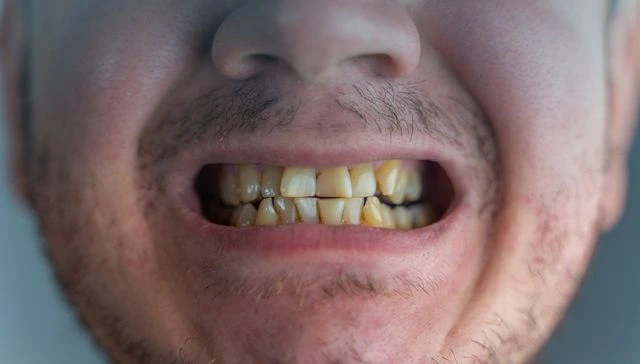
Crowding happens when there simply isn’t enough room in the jaw for all the teeth to sit properly. The result? Teeth that overlap, twist, rotate, or get pushed out of alignment. It can range from mild (a slightly crooked tooth here or there) to severe (where teeth are stacked over each other and almost impossible to clean properly).
This is one of the most common orthodontic concerns we see at Michael Woods Orthodontics, and it affects both children and adults. It’s worth knowing that crowding isn’t just about looks: the misalignment creates real challenges for keeping your teeth and gums healthy.
How Crowded Teeth Create Hidden Gum and Dental Health Risks
This is where things get important. When teeth are crowded, your daily dental care routine, no matter how committed you are, simply can’t do its job properly. Here’s why:
Gum Disease and Crowding: Why Your Gums Pay the Price
Gum disease is a serious issue in Australia. Gum disease is very common in Australia, with 3 in every 10 adults having moderate to severe gum disease (periodontitis). HealthDirect (Healthdirect Australia)
When teeth overlap, they create tight, awkward spaces that a toothbrush simply can’t reach. Plaque: that sticky layer of bacteria that constantly builds up on your teeth and along the gum line: gets trapped in these hidden pockets. And once plaque builds up and hardens into tartar, you can’t remove it with brushing alone; only a dentist or hygienist can do that.
Here’s how it typically plays out:
- Plaque builds up in the hard-to-reach gaps between crowded teeth
- Gum inflammation begins: this early stage is known as gingivitis, a mild form of gum disease
- Gums become red, swollen, and prone to bleeding when brushing or flossing
- If nothing changes, gingivitis progresses to periodontitis, the more advanced and irreversible form of gum disease
About 22% of children (aged 5 to 14) and 29% of adults have gingivitis. Ausmed (AIHW 2024, via Ausmed)
Periodontitis is the advanced stage of gum infection that attacks the gum tissue, ligaments, and the jawbone that support your teeth. Once bone loss sets in, it can’t be reversed. Over time, the teeth can loosen and eventually be lost altogether. One in four Australians has inflammation of the gums, and one in three has moderate to severe periodontitis. Ada (Australian Dental Association, Dental Health Week 2024)
That’s a significant chunk of the population, and crowded teeth dramatically increase your risk of being in that group.
The early stage of gum disease, gingivitis, is reversible with proper treatment. But once it’s known as periodontal disease in its advanced form, the damage to the bone supporting the teeth cannot be undone. That’s why getting on top of gum issues early matters so much.
Tooth Decay and Gum Complications from Crowding
Crowded teeth don’t just put your gums at risk: they also increase the risk of tooth decay. When teeth are jammed together, the contact points between them become almost impossible to clean. Floss struggles to get through, and when it does, it often can’t reach the full depth of the gap.
What happens next is pretty predictable:
- Food particles and acids sit between teeth for longer than they should
- Plaque accumulates at the gum line and between teeth
- Cavities begin to form in spots that are hard to see and hard to treat
- These hidden cavities often go undetected until they’re more serious
Tooth decay and gum disease compound each other. A cavity weakens the tooth structure, while gum infection undermines the foundation around it. Together, they’re a tough combination, and both are made significantly more likely by untreated crowding.
Around 1 in 3 Australian adults (32%) have at least one tooth with untreated dental decay. ADC (Aesthetic Dental Clinic: Oral Health Statistics Australia)
Other Effects of Untreated Crowding
Beyond gum disease and decay, untreated crowding can cause a range of other health problems that are easy to overlook:
- Uneven wear on teeth: When certain teeth bear more load than they should due to a misaligned bite, the enamel wears down faster. This leaves those teeth more vulnerable to sensitivity and damage over time.
- Jaw strain: An uneven bite puts extra pressure on the jaw joints and surrounding muscles. Some patients experience jaw aching, clicking, or even headaches, all of which can be traced back to how the teeth come together.
- Impact on speech and confidence: Severe crowding can affect the way sounds are formed, and many patients feel self-conscious about the appearance of their smile. Both of these things have a real impact on day-to-day life, especially for teenagers.
The bottom line: overall dental health depends on far more than just brushing twice a day. If the foundation: alignment: isn’t right, staying on top of oral hygiene at home becomes a constant uphill battle.
When Should Armadale Residents Seek Orthodontic Advice?
Orthodontic issues aren’t always just about appearance. Many adults live with discomfort they don’t realise is connected to misaligned teeth, and orthodontic treatment can help address that too.
Common signs that orthodontic problems may be affecting you:
- Jaw pain or clicking, often linked to bite imbalance and teeth misalignment
- Morning headaches, which can signal nighttime jaw clenching
- Uneven tooth wear is a sign that pressure to the teeth isn’t being distributed correctly
- Difficulty chewing, caused by mild and major orthodontic problems with bite alignment
- Speech difficulties, some bite issues, affect how clearly you speak
Orthodontic treatment works by applying gentle, consistent pressure on each tooth over time, gradually moving them toward their desired position. This doesn’t just straighten teeth; it can reduce jaw tension and correct the bite imbalance that’s been causing discomfort.
If you’ve been dealing with any of these symptoms, it’s worth having a chat with our dental team. These aren’t things you simply have to put up with.
Treatment Options That Address Crowding and Protect Your Teeth
Once a specialist has assessed the level of crowding, a tailored treatment plan can be put together. The most common treatment options include:
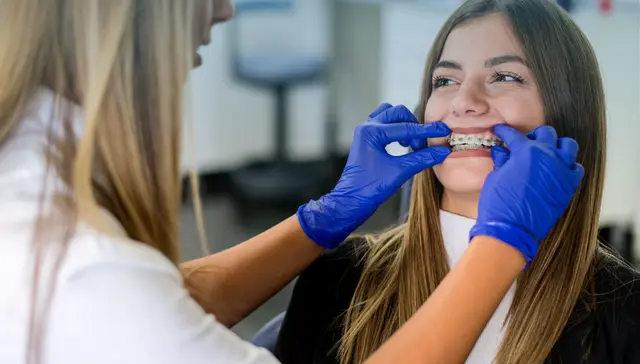
- Metal braces: tried, tested, and highly effective for moderate to severe crowding. They offer precise control over tooth movement and remain the gold standard for complex cases.
- Ceramic braces: work the same way as metal braces but with tooth-coloured brackets, making them far less noticeable. A popular choice for older teens and adults.
- Invisalign clear aligners: a series of removable, custom-made trays that gradually move the teeth. A great option for mild to moderate crowding, particularly for patients who want a more discreet approach.
The right choice depends on the severity of the crowding and your age: only a specialist assessment can confirm which approach will get the best outcome. For full details on crowding treatment at Michael Woods Orthodontics, head to their treatment page.
It’s also worth reading Early Signs of Crowding Every Armadale Parent Should Watch For if you’re monitoring your child’s dental development and want to know what to look out for.
Book a Consultation at Michael Woods Orthodontics
If you’re in Armadale and you or your child has crowded teeth, the most important thing you can do is get a proper assessment. Understanding what’s going on and what your options are puts you in control.
Professor Michael Woods and Dr Nevenka Tadic take the time to explain everything clearly, without pressure. Whether you’re a parent wondering about your teenager’s teeth or an adult who’s been putting it off for years, they’ll help you figure out the best path forward.
The earlier crowding is addressed, the better the outcome: for your smile and for your long-term gum and dental health.
Frequently Asked Questions
Can mild crowding cause gum disease?
Yes, it can. Even mild crowding creates areas that are tricky to clean properly, which means plaque can build up and trigger gingivitis: an early stage of gum disease. The good news is that mild gum issues, when caught early, are much easier to manage and treat.
At what age should crowding be treated?
The ideal time to treat crowding is during early adolescence, around 12 to 14, when the jaw is still growing. That said, adults are treated all the time successfully, so don't let age put you off seeking advice. Early action consistently yields better outcomes.
How do I know if my crowding is affecting my gum health?
Absolutely. Correcting crowding makes it far easier to clean your teeth and gums properly, which directly reduces the risk of gum disease and decay. Many patients notice a real improvement in their gum health once their teeth are aligned: brushing and flossing become more effective, and the gums respond accordingly.
Is Invisalign effective for crowding?
Invisalign works well for mild to moderate crowding. For more severe cases, traditional braces may be recommended. The best way to find out what's right for you is to book a specialist assessment, where the clinician can look at the full picture.
Can straightening my teeth improve my gum health?
Absolutely. Correcting crowding makes it far easier to clean your teeth and gums properly, which directly reduces the risk of gum disease and decay. Many patients notice a real improvement in their gum health once their teeth are aligned: brushing and flossing become more effective, and the gums respond accordingly.

Leave a Reply