

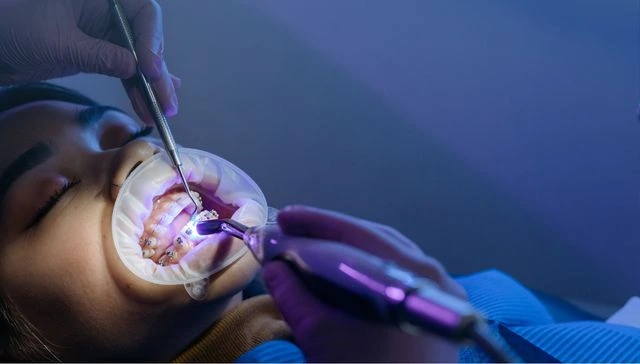
Signs You May Need Orthodontic Treatment in Armadale VIC
If you’re wondering if you need orthodontic treatment, you’re not alone. Common signs include crooked or crowded teeth, bite problems, jaw pain, difficulty chewing food, and gaps between teeth. These dental issues affect both kids and adults: and the sooner you act, the easier treatment becomes.
“There’s no one reason why orthodontic treatment is popular with adults now: it’s a mix of reasons. Whether it’s for a boost in confidence, an upcoming wedding, or the result of seeing your photo on social media, adults have well and truly shaken off the adolescent stigma attached to braces.”: Dr Theo Baisi, Australian Society of Orthodontists
Quick fact: 62% of Australian adults are currently considering orthodontic treatment Orthodontics Australia, according to the Australian Society of Orthodontists. More than 60% of orthodontic patients in Australia today are adults Virtuosum: so it’s never too late to start.
1. Crooked or Crowded Teeth
Crooked or crowded teeth are often the first thing people notice. When your teeth overlap, twist, or push against each other, they’re telling you there isn’t enough space in your jaw for them to sit properly.
This isn’t just a cosmetic issue. Crowded teeth are harder to keep clean. Your toothbrush or dental floss simply can’t reach into every tight corner: which means plaque and food particles build up over time. Left unchecked, this raises your risk of cavities and gum disease.
What to look for:
- Teeth that visibly overlap or twist
- Difficulty getting a toothbrush or dental floss between certain teeth
- Feeling like your teeth are “fighting for space”
In Australia, the prevalence of severe and handicapping malocclusions is approximately 30% in the 12–14-year-old population PubMed Central, according to a 2025 study in the Australian Journal of Rural Health. (Source)
Misaligned teeth that go untreated tend to get worse over time: especially in adults, where crowding and rotations can increase with age. Signs you might need braces often start here, with teeth that just don’t line up the way they should.
2. Bite Problems: Overbite, Underbite, Crossbite, and Open Bite
Your bite is the way your upper and lower teeth come together when you close your mouth. When that relationship is off, it’s called a bite misalignment: and it’s one of the clearest signs that orthodontic treatment may be recommended.
Here’s a simple breakdown of the most common bite problems:
- Overbite: your upper front teeth cover too much of the lower teeth
- Underbite: your lower teeth sit in front of your upper teeth
- Crossbite: some upper teeth sit inside the lower teeth rather than outside
- Open bite: your upper and lower teeth don’t touch at all when your mouth is closed
Each of these puts uneven pressure on certain teeth and jaws, which leads to discomfort when biting, accelerated tooth wear, and in some cases, chipping or cracking.
Traditional braces or clear aligners like Invisalign are commonly used to correct these issues. Whether orthodontic intervention is needed depends on the severity, but even mild bite misalignment is worth having assessed by an orthodontist.
3. Difficulty Chewing Food
If chewing food feels uncomfortable or you’ve started avoiding certain foods because they’re hard to bite into, that’s a sign that orthodontic treatment may be worth exploring.
When your teeth and jaws don’t align properly, the act of chewing puts uneven pressure on certain teeth. Over time, this wears down tooth enamel in specific spots, can lead to discomfort, and in more serious cases, causes cracking or tooth loss.
Signs to watch for:
- Discomfort when biting or chewing harder foods
- Favouring one side of the mouth when eating
- Food regularly getting caught between certain teeth
- Jaw tiredness after meals
This kind of biting or chewing difficulty is a sign that orthodontic care could genuinely help: not just for looks, but for how your teeth actually function day to day.
4. Jaw Pain, Clicking, or Persistent Headaches
Jaw pain is one of those signs people often shrug off as stress or tension. But persistent jaw pain, clicking or popping sounds when you open and close your mouth, or headaches that seem to come from nowhere: these can all be linked to jaw misalignment and the stress on your jaw muscles that comes with it.
When your bite is off, the joints and muscles that help you move your jaw are constantly working harder to compensate. Over time, that extra effort leads to muscle fatigue and joint strain.
Common symptoms connected to jaw issues:
- Clicking, popping, or grinding sounds when you move your jaw
- Jaw pain or stiffness, especially in the morning
- Headaches that seem to radiate from around your temples or ears
- Difficulty fully opening or closing your mouth
Orthodontic treatment can help improve jaw alignment and relieve some of this stress. It’s worth mentioning these symptoms to your orthodontist or dentist, even if you’re not sure they’re related to your teeth.
5. Spacing Issues: Gaps Between Teeth
Gaps between teeth aren’t just a cosmetic concern. While some people choose to leave them, gaps between teeth can trap food particles and make it difficult to clean between your teeth properly: raising your risk of cavities and gum disease over time.
Gaps can occur because:
- A tooth was lost or never came through properly
- The jaw is larger than the teeth
- Teeth have shifted over time due to a missing tooth nearby
Misaligned teeth that leave gaps are often treatable with braces or clear plastic aligners, depending on the size and cause of the spacing. A specialist can assess whether treatment is the right call for your overall dental health.
6. Difficulty with Oral Hygiene: When Brushing and Flossing Feel Impossible
This is one of the most practical signs you might need braces: when keeping your teeth clean just feels like an uphill battle.
Crooked or crowded teeth create overlapping surfaces that are nearly impossible to clean properly with a toothbrush. Even the most thorough person will struggle to remove plaque and food particles from areas where teeth are pressing against each other.
Over time, this leads to:
- A higher risk of tooth decay
- Gum inflammation and the early stages of gum disease
- Bad breath that doesn’t go away despite good hygiene habits
Orthodontic treatment isn’t just about straight teeth. It’s about making your teeth easier to look after: which has real long-term benefits for your overall oral health.
Around 1 in 3 Australian adults aged 15–64 had at least one tooth with untreated decay in 2017–18 Australian Institute of Health and Welfare, according to the Australian Institute of Health and Welfare. (Source) Misaligned teeth can make it significantly harder to prevent this.
7. Speech Issues or Mouth Breathing
It might surprise you, but your teeth and jaw alignment play a big role in how you speak. A lisp or difficulty pronouncing certain sounds: particularly “s,” “th,” or “f”: can sometimes trace back to the positioning of your teeth and tongue.
When your upper and lower teeth don’t meet correctly, your tongue compensates, sometimes resting against the wrong teeth or cheek when you talk or swallow.
Signs to take note of:
- A lisp or difficulty forming certain sounds
- Your tongue frequently touching your tongue or cheek area when speaking
- Mouth breathing, especially during the day or at rest
- Sleep disruptions linked to breathing difficulties
These aren’t always orthodontic issues: but they’re worth raising with a professional for diagnosis. Braces can help correct the positioning of teeth that may be contributing to speech or breathing patterns.
Don't Ignore the Signs
If you’ve been reading through this list and nodding along, it might be time to book a consultation. Whether you need orthodontic treatment or just a thorough assessment, starting treatment sooner rather than later gives you more options: and often means treatment later is simpler and shorter.
Here’s when to act:
- For children: The Australian Society of Orthodontists recommends a first orthodontic check around age 7–8, when permanent teeth start coming through. A child may not need treatment straight away, but early assessment helps.
- For teenagers: This is the most common time for orthodontic treatment, when all permanent teeth are usually present and the jaw is still growing.
- For adults: It’s never too late. Orthodontists across Australia are increasingly treating more adults than ever before. Orthodontics Australia Clear aligners and modern braces make treatment more manageable for adult lifestyles.
At Michael Woods Orthodontics in Armadale, our team can assess your teeth and jaws, talk through your options, and help you achieve a smile: and bite: that works properly. Whether you’re looking at traditional braces, clear aligners, or Invisalign, we’ll put together a treatment plan that suits you.
Frequently Asked Questions
How do I know if I need orthodontic braces or just a general dental check-up?
A general dental check-up focuses on your tooth health: decay, gum disease, and hygiene. Orthodontic braces address how your teeth and jaw are aligned. If your dentist spots crowding, bite problems, or jaw misalignment, they'll often refer you to a specialist. If you're wondering if you need orthodontic braces, the simplest step is to book a consultation with an orthodontist directly: no referral needed.
Can orthodontic treatment fix jaw pain and bite problems, not just crooked teeth?
Yes. Orthodontic treatment may be recommended for functional reasons just as much as cosmetic ones. Correcting bite misalignment can relieve the stress on your jaw muscles, reduce clicking or grinding, and ease persistent headaches linked to how your teeth meet.
At what age do orthodontic problems usually become noticeable, and is it too late to treat them as an adult?
Signs often become visible around ages 7–10, when permanent teeth come through. But whether you need treatment at 12 or 42, it's not too late. More than 60% of orthodontic patients in Australia today are adults Virtuosum, and modern orthodontic treatments like Invisalign and clear aligners are designed with adult lifestyles in mind.
What happens if I ignore the signs and leave orthodontic problems untreated?
Untreated orthodontic issues tend to get worse over time. Crowded teeth become harder to clean, raising the risk of cavities and gum disease. Bite problems put ongoing pressure on certain teeth and jaw joints, which can lead to wear, cracking, or jaw pain. Addressing orthodontic problems earlier generally means simpler, shorter treatment: and better overall dental health in the long run.


Leave a Reply