

Lingual Braces in Armadale: The Hidden Alternative for Adults and Professionals
If you’ve been thinking about straightening your teeth but the idea of visible metal braces puts you off, you’re far from alone. Around 1 in 3 Australian adults report feeling uncomfortable about their dental appearance, according to the Australian Institute of Health and Welfare. And for many professionals and adults living in Melbourne’s inner suburbs, the last thing they want is a mouth full of metal brackets in every client meeting, job interview, or social event.
That’s where lingual braces come in. They deliver the same clinical results as traditional braces, but they sit completely out of sight. In this article, we’ll walk you through what lingual braces are, who they work best for, how they compare to clear aligners, and why choosing a specialist orthodontist in Armadale makes all the difference.
What Are Lingual Braces? Understanding Braces Worn Behind the Teeth
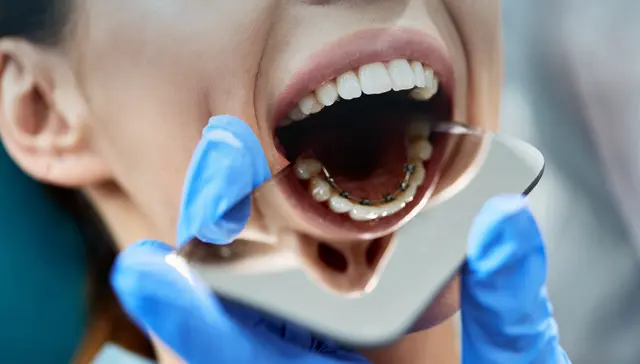
Lingual braces are a type of fixed orthodontic treatment where the brackets and wires are bonded to the inside (tongue-facing) surface of your teeth rather than the outside. Because they sit behind your teeth, they are completely invisible from the front when you smile, speak, or laugh.
Here’s a quick breakdown of how they differ from regular braces:
Feature | Traditional Metal Braces | Lingual Braces |
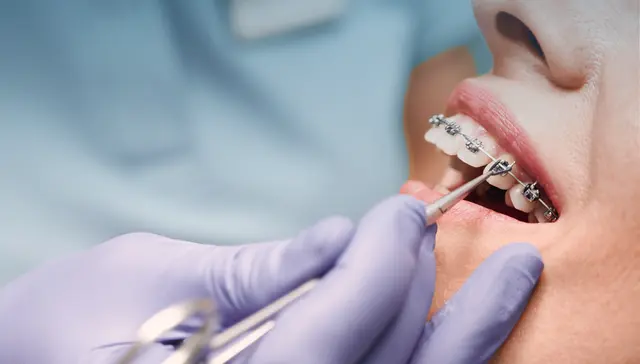
Position | Front (outer) surface of teeth | Back (inner) surface of teeth |
Visibility | Clearly visible | Completely hidden from the front |
Customisation | Standard brackets | Fully customised to each tooth |
Fixed or removable | Fixed | Fixed |
Suitable for complex cases | Yes | Yes |
Each set of lingual brackets is tailor-made to fit the unique dental anatomy of the patient. That level of customisation is part of what makes them so effective, and it’s also part of what requires specialist training to fit correctly.
Why Armadale Adults Are Choosing Hidden Braces and Discreet Teeth Straightening
Armadale sits in one of Melbourne’s most professionally active and image-conscious communities. It’s a suburb of business owners, healthcare professionals, lawyers, consultants, and parents who are re-entering treatment later in life. For people in these roles, traditional braces can feel socially out of place.
According to the Australian Society of Orthodontists, 62% of Australian adults are considering orthodontic treatment, and over the last five to ten years, orthodontists across Australia have been treating more and more adults. This trend is particularly strong in inner Melbourne suburbs like Armadale, where adults increasingly want orthodontic care that fits around their professional and social lives.
The reasons people seek treatment are varied:
Career and professional image. Client-facing roles, presentations, and interviews make visible braces feel awkward for many adults.
Social confidence. Many patients simply want to feel confident at dinner, at events, or in photos without drawing attention to their orthodontic treatment.
Delayed treatment. Some patients didn’t get braces as teenagers due to cost or access. Adult life now gives them the opportunity.
Parental treatment alongside children. It’s becoming more common for parents to start their own orthodontic journey while their kids are in treatment.
Lingual braces offer a way to pursue a straighter, healthier smile without making it obvious to the world that you’re doing so.
Lingual Braces vs Clear Aligners: Key Differences for Armadale Patients
Both lingual braces and clear aligners like Invisalign are popular choices for adults who want discreet teeth straightening. They’re both low-profile options compared to standard metal braces, but they work quite differently and suit different patients.
Here’s a comparison to help you understand the distinction:
Factor | Lingual Braces | Clear Aligners (e.g. Invisalign) |
Visibility | Invisible from the front | Nearly invisible |
Fixed or removable | Fixed, worn 24/7 | Removable |
Patient compliance required | No | Yes (must wear 20-22 hrs/day) |
Suitable for complex cases | Yes | Depends on the case |
Treats bite issues | Yes | Limited for some severe bites |
Speech adjustment | Brief initial period | Mild, usually brief |
Cleaning difficulty | Requires care | Easy (remove to clean) |
A few things to note:
Lingual braces are fixed. That means they’re working every hour of every day, with no reliance on patient compliance. For busy people who travel frequently or know they’d struggle to wear aligners consistently, this can be a real advantage.
Complex alignment problems. Some bite issues and crowding cases respond better to fixed orthodontic treatment. Aligners may not be the most suitable option for all cases.
Clear aligners are an excellent option for many patients, particularly those with mild to moderate alignment concerns and strong motivation to keep up with wear requirements.
Neither option is universally better. The right choice really depends on the complexity of your case and your lifestyle. A specialist consultation is the best way to make an informed decision.
What Orthodontic Cases Can Lingual Braces Treat?
Lingual braces can address a wide range of orthodontic issues, including:
- Crowding: Teeth that overlap or are pushed out of alignment due to insufficient space
- Spacing: Gaps between teeth that affect both appearance and bite function
- Bite issues: Overbites, underbites, crossbites, and open bites
- Misaligned teeth: Teeth that are rotated or sitting at incorrect angles
- Mild to moderate skeletal discrepancies, when combined with appropriate treatment planning
It is worth noting that lingual braces, like all orthodontic options, do have some limitations. Very severe skeletal cases, for example, may require a different approach or a combination of treatments. That’s exactly why a thorough case assessment with a qualified orthodontist is so important before any treatment begins.
A good rule of thumb: if you have problems with your teeth that go beyond minor alignment, don’t try to self-diagnose which treatment is right. Let a specialist evaluate the complexity of your case and guide you toward the most effective solution.
What to Expect: The Treatment Process at Our Armadale Dental Practice
Understanding how lingual braces work from start to finish can make the whole process feel much less daunting. Here’s a general overview of what the treatment journey typically looks like:
1. Initial Consultation and Orthodontic Assessment
Your first visit involves a thorough examination of your teeth, jaw, and bite. Digital scans and X-rays are taken to assess the complexity of the case. This consultation is also your opportunity to ask every question on your mind.
2. Impressions and Customisation of Brackets
Because lingual brackets are attached to the inside surface of teeth, each bracket is custom-designed to fit your unique dental anatomy. This process uses advanced dental technology and typically involves sending detailed impressions or scans to a specialist lab.
3. Fitting Appointment
Once your custom brackets are ready, they are carefully bonded to the back of each tooth. This requires precision and experience, particularly because the working space on the inside of teeth is smaller and the bracket placement is more technically demanding.
4. Regular Adjustment Visits
Like traditional braces, lingual braces require periodic adjustment visits throughout treatment. At each visit, the orthodontist will check that teeth are moving according to the treatment plan and make any necessary adjustments.
5. Speech Adjustment Period
In the first week or two after fitting, it’s normal to notice some changes in speech. Your tongue needs time to adjust to the brackets sitting on the inside of your teeth. For most patients, this settles quickly.
6. Retainers After Treatment
Once active treatment is complete, a retainer is used to keep teeth in their new positions. This is a standard part of any orthodontic journey and helps protect your result long-term.
7. Treatment duration
varies depending on the complexity of your case. Your orthodontist will give you a realistic indication of your treatment time during the consultation phase.
Why Choose a Specialist Orthodontist for Lingual Braces in Armadale? Orthodontic Care and Principal Dentist Expertise
Not every dentist or dental clinic offers lingual braces, and that’s not an accident. This type of orthodontic treatment requires a considerably higher level of training and clinical skill than standard braces. Placing brackets on the inside of teeth demands exceptional precision, and adjusting them throughout treatment requires specialist knowledge of lingual mechanics.
Here’s why choosing a specialist matters:
Dedicated orthodontic training: Orthodontists complete additional years of postgraduate study after their dental degree, specialising exclusively in tooth movement and alignment.
Specialist placement technique. The inner surface of teeth offers less working space and different biomechanics than the outer surface. Experience here is non-negotiable.
Tailored treatment outcomes. A plan tailored to your specific dental anatomy is far more likely to produce consistent, predictable results.
Access to advanced dental technology. Specialist orthodontic practices use digital scanning and customised bracket systems that general dental clinics may not offer.
Ongoing oversight. Your teeth are moving according to a detailed plan. Having an experienced orthodontist review your progress at every visit is important for catching any adjustments needed along the way.
At Michael Woods Orthodontics, our team brings decades of experience and specialist training to every orthodontic case we see across Melbourne. As an experienced orthodontic practice with a wide range of orthodontic treatment options, we provide comprehensive care tailored to the individual needs of each patient. We are proud members of the Australian Society of Orthodontists, and our dental practice offers the kind of exceptional dental care that Armadale’s community deserves.
Whether you’re a first-time orthodontic patient or returning after years without treatment, we’re here to help you achieve the smile you’ve been thinking about.
Health Fund Coverage and Payment Options
Many patients are unsure whether their health fund covers lingual braces. In Australia, orthodontic treatment, including lingual braces, is generally covered under extras cover, though the level of rebate varies between providers. We recommend checking with your individual health fund to understand your entitlements before your consultation.
Our Melbourne dental team is happy to help you understand your options and structure a treatment plan that works within your budget.
Book Your Appointment With Michael Woods Orthodontics, Armadale
If you’ve been considering lingual braces and want to find out whether they’re the right fit for your dental needs, the next step is simple: book a no-obligation consultation with Michael Woods Orthodontics.
Our experienced team in Melbourne will assess your teeth, walk you through your orthodontic options, and help you make an informed decision, completely without pressure. We offer quality dental services backed by specialist orthodontic training, and we’re here to help you feel confident about your smile.
Call us today or visit our contact and appointment page to book your appointment. We look forward to meeting you.
Frequently Asked Questions
Are lingual braces really invisible?
Yes. Because the brackets are attached to the inside of your teeth, they are completely hidden from view when you smile or speak. No one will be able to tell you're wearing braces unless you tell them.
Do lingual braces hurt more than regular braces?
There can be some initial discomfort, as with any orthodontic treatment. The tongue may feel irritated for the first week or two as it adjusts. Most patients find that this settles quickly and becomes easy to manage.
Can I get lingual braces if my case is complex?
Lingual braces can treat a wide range of orthodontic concerns, including bite issues and crowding. However, the best way to know if they suit your specific needs is to schedule a consultation with a specialist who can assess the complexity of your case properly.
Does my health fund cover lingual braces?
Many Australian health funds offer rebates for orthodontic treatment under extras cover. The amount varies by provider and policy. Contact your health fund directly, and our team can also assist you during your consultation.
How do I keep my teeth clean with lingual braces?
Good oral hygiene is important throughout your treatment. Your orthodontist will show you the best brushing and cleaning techniques to maintain good oral health while your braces are in place. Regular visits to your dentist or hygienist are also recommended throughout treatment.

Leave a Reply