

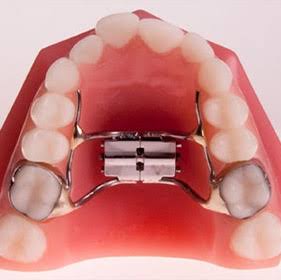
What to Expect with MARPE: From Assessment to Retention
What to Expect with MARPE: From Assessment to Retention
The unfamiliar part of MARPE is often not the name but the routine. There is a fixed appliance across the palate, small anchorage screws, a prescribed activation schedule and a period when eating and speaking feel different. Knowing the sequence makes it easier to separate normal adaptation from something that needs a call to the practice. The appointment process explains how assessment and records come before treatment planning.
No two MARPE plans are identical. Appliance design, screw position, activation and treatment length depend on the upper jaw and the wider orthodontic plan. Your own instructions take priority over any general guide.
Stage 1: the first consultation
The first visit is about diagnosis, not fitting an appliance. The orthodontist asks what prompted the consultation, examines the teeth and bite, and considers whether there is a true skeletal width problem.
Not every narrow-looking arch needs MARPE. Some concerns can be managed with tooth movement; others may need surgical input. It is reasonable to ask what the proposed expansion is intended to correct and what alternatives were considered.
Stage 2: records and planning
Records may include photographs, a digital scan, radiographs and, where clinically justified, three-dimensional imaging. The clinician studies the palate, bone available for miniscrew anchorage, teeth, gums, asymmetry and the relationship between the jaws.
Planning also covers later steps. The team should explain whether braces or aligners are likely, how the expansion will be retained and what happens if the expected suture response does not occur.
Stage 3: fitting the appliance
The expander is positioned across the roof of the mouth and connected according to its design. Temporary anchorage screws are placed into the palate. Local anaesthesia and the fitting sequence vary, so the practice should explain its protocol before the appointment.
A patient may notice pressure, a bulky feeling, extra saliva and changes to speech. The tongue needs time to find new positions for speaking and swallowing.
Stage 4: learning to activate it
The expansion screw is turned according to a written schedule. The patient or support person should be shown how to place the key, complete the movement and remove it safely. Do not add turns to speed treatment or make up for uncertainty without contacting the practice.
Keep a simple record of activations if requested. If the key no longer engages, a turn feels very different, the appliance moves or pain is marked, stop and ask for advice.
Eating during the early days
Soft foods can make the first few days easier: yoghurt, eggs, soft rice, pasta, soup at a safe temperature and tender foods cut into small pieces. Chew slowly while learning how food moves around the appliance.
Hard, sticky or very chewy foods can damage the appliance or lodge around it. The treating team may provide a more specific list. Adequate fluids and deliberate cleaning after meals help when food collects against the palate.
Cleaning the appliance and miniscrew areas
Brush the teeth, gumline and accessible appliance surfaces carefully. An interdental brush or water-flossing device may help in some designs, but use only methods the clinician recommends around the miniscrews.
Good cleaning is not cosmetic. Plaque and trapped food can inflame tissues and make the appliance unpleasant to wear. Persistent bleeding, swelling, discharge, bad taste or increasing tenderness deserves review.
Changes you may notice
Pressure and tenderness can occur after activation. A temporary gap between the upper front teeth may appear if the mid-palatal suture opens. Speech usually improves with practice, although some words can remain awkward while the appliance is present.
Do not judge the whole treatment from the size of a front-tooth gap. The orthodontist uses examination and records to assess the location, amount and symmetry of expansion.
Monitoring and the consolidation phase
Regular appointments allow the orthodontist to inspect tissue health, anchorage, appliance stability and the developing bite. Activation stops when the planned width is reached or when the response indicates that the plan needs review.
The appliance usually remains in place after active widening so the tissues can reorganise. This holding stage is easy to underestimate because the patient is no longer turning the screw, but it is part of treatment rather than dead time. Retention is part of the wider adult orthodontic treatment plan, rather than a separate afterthought.
When should you call the practice?
Call if a miniscrew or appliance feels loose, a component breaks, the key cannot be used safely, swelling or bleeding is worsening, there is discharge or fever, pain is severe, one side appears to change unexpectedly, or you are simply unsure whether to keep activating.
A prompt question is preferable to improvising. If there is facial swelling affecting breathing or swallowing, uncontrolled bleeding, or another medical emergency, seek urgent care.
Preparing your home routine before fitting
A little preparation can make the first week less awkward. Buy suitable soft foods before the appointment, check that you have the cleaning aids recommended by the practice and decide who will help with activation if seeing the screw is difficult. Keep the written instructions and practice phone number somewhere easy to find.
If your work involves long periods of speaking, consider allowing some quieter time after fitting. This is not because every patient needs leave, but because the early speech adjustment is easier when there is room to practise without pressure. Students may wish to tell a teacher privately that a new appliance is affecting speech for a short period.
Do not stock up on unapproved rinses, gels or tools. Products that seem harmless can irritate tissue or obscure a developing problem. Ask what the team actually wants you to use.
Keeping useful notes without obsessing over progress
Some patients find a brief daily record helpful during active expansion. Note completed turns, unusual discomfort, a loose feeling, cleaning difficulty and any instruction given by the practice. A photograph may be useful if the orthodontist requests one, but constant measuring in the mirror can create more uncertainty than information.
Avoid comparing your front-tooth gap, number of turns or timeline with another person’s account online. MARPE designs and treatment objectives vary. Two people can have different visible changes and both require proper clinical review.
Bring the activation record to monitoring appointments. It gives the orthodontist a clearer picture if the appliance position and the expected number of turns do not match. It also prevents guesswork after a missed or uncertain activation.
Questions to ask before fitting
Before you commit to the appliance, ask:
- What is the underlying tooth or jaw problem?
- Which part of the proposed treatment addresses it?
- What reasonable alternatives apply to my case?
- What are the material risks and practical limitations?
- What happens if the expected response does not occur?
- Which other dental or medical practitioners need to be involved?
- What is included in the written fee and what could be separate?
- What retention or follow-up will be needed afterwards?
Take time to understand the answers. Orthodontic treatment is planned over months or years, so a low-pressure decision based on complete information is more useful than choosing quickly from a headline.
Related information from the practice
The practice explains its consultation, diagnostic records and follow-up sequence. See orthodontic appointment process.
The appliance hub places MARPE within the wider range of orthodontic devices. See orthodontic appliance guide.
Further tooth alignment may form part of the adult treatment plan. See adult orthodontics.
Existing patients should use the practice’s contact details when they are unsure about activation or symptoms. See contact Michael Woods Orthodontics.
Book an initial consultation
Michael Woods Orthodontics is a specialist orthodontic practice on Dandenong Road, on the Malvern/Armadale border. Professor Michael Woods and Dr Nevenka Tadic both hold specialist registration in orthodontics. The first appointment is an opportunity to discuss your concern, the records needed and whether MARPE is appropriate.
Call (03) 9509 7496 or use the contact form to request an initial consultation.
Frequently asked questions
How quickly will I get used to MARPE?
The early bulky feeling, speech change and eating adjustment often improve with practice, but timing varies. Contact the practice if adaptation is not progressing or symptoms worsen.
Can I turn the expander myself?
Many protocols involve home activation after instruction. Follow the exact written schedule and never add turns without advice.
What can I eat after fitting?
Soft, manageable foods are useful at first. Avoid foods the team identifies as likely to bend, dislodge or obstruct the appliance.
How do I clean under MARPE?
Use the toothbrush and any interdental or rinsing aids demonstrated by the practice. Clean after meals and pay attention to the gumline and miniscrew areas.
Is a gap between the front teeth normal?
It can occur during successful opening, but not every response looks the same. The orthodontist should assess progress.
What if I miss an activation?
Do not double the next turn unless specifically directed. Record what happened and contact the practice for instructions.
How long does the appliance stay in?
It includes active expansion and a later holding period. The individual timeframe depends on response and the complete treatment plan.
Will MARPE be my only orthodontic treatment?
Often it is one stage. Braces or clear aligners may follow to position teeth and coordinate the bite.
Leave a Reply