


Early Signs of Severe Teeth Crowding in Teenagers
Severe teeth crowding in teenagers is identified by overlapping or twisted teeth, difficulty cleaning between teeth, delayed tooth eruption, gum problems, and bite issues. Malocclusion exists in almost half of the Australian population, making it essential to recognise early signs. Treatment options include braces, Invisalign, and early orthodontic intervention to prevent long-term dental and oral health complications.
Understanding Teeth Crowding
Teeth crowding, also known as dental crowding, happens when there’s not enough space in the jaw for teeth to grow properly. This is one of the most common orthodontic issues affecting children and teenagers across Australia. When permanent teeth erupt without adequate room, they can overlap, twist, or get pushed out of alignment.
Crowding tends to increase with age, especially in the lower jaw, which is why catching it early makes such a difference. What causes crowded teeth? Several factors contribute to this dental issue:
- Genetics plays a major role: If parents had crowded teeth, their kids are more likely to experience the same issue. You might inherit a smaller jaw from one parent and larger teeth from the other, creating a mismatch.
- Loss of baby teeth: When baby teeth are lost too early due to decay or trauma, neighbouring teeth can drift into that space, leaving no room for permanent teeth to come through properly.
- Jaw development issues: Sometimes the jaw simply doesn’t develop enough to accommodate all the adult teeth, particularly in the lower jaw.
- Extra teeth or large teeth: Some teenagers may have wisdom teeth that cause teeth to shift, or they might have naturally larger teeth that crowd the available space.
According to Orthodontics Australia, around 55% of the Australian population feels self-conscious about their teeth. This shows just how common dental concerns are among Aussies, particularly when it comes to crowding and misaligned teeth.
Early Signs of Severe Teeth Crowding
Spotting the early signs of crowding can help you get treatment before the problem worsens. Here are the key indicators:
1. Overlapping or Twisted Teeth
This is usually the most obvious sign of crowded teeth. You might notice:
- Front teeth that overlap each other
- Teeth that appear rotated or twisted
- Some teeth sit further back or forward than others
- Crooked or misaligned teeth that make the smile look uneven
Lower teeth crowding is particularly common, with many teenagers experiencing crowded bottom teeth before issues appear in the upper jaw. The degree of crowding can range from mild crowding to severe cases where multiple teeth overlap significantly.
2. Delayed or Blocked Tooth Eruption
Sometimes crowding prevents permanent teeth from coming through at all. Watch for:
- Permanent teeth erupt much later than expected
- Baby teeth that haven’t fallen out when they should
- Teeth that only partially come through the gum
When there’s not enough jaw for teeth to erupt properly, some teeth may remain trapped beneath the gum line. This can affect the child’s tooth development and lead to more complex orthodontic issues.
3. Difficulty Cleaning Teeth
Crowded or crooked teeth create tight spaces that are hard to clean properly. Signs include:
- Floss that won’t fit between teeth
- Food is getting stuck constantly
- Plaque buildup in areas they can’t reach
This difficulty in maintaining proper oral hygiene can lead to serious consequences. When teeth and gums can’t be cleaned properly, it creates the perfect environment for decay and gum disease to develop.
4. Gum Issues
Crowded teeth can significantly impact gum health. Look out for these signs:
- Red, swollen, or bleeding gums
- Early signs of gum disease (gingivitis)
- Gum recession around certain teeth
- Persistent bad breath despite good brushing habits
About 22% of children aged 5-14 had gum disease in 2012-14, according to Australian health data. Overcrowded teeth make it much harder to maintain healthy teeth and gums, increasing the risk of periodontal problems.
5. Bite and Jaw Problems
Severe crowding affects how the upper and lower teeth come together. Signs include:
- Teeth that don’t meet properly when biting
- Jaw pain or clicking sounds
- Difficulty chewing certain foods
When teeth don’t align correctly due to crowding or misalignment, it can strain the jaw joints and cause discomfort. This type of malocclusion needs appropriate treatment to prevent jaw development issues.
6. Lip Strain or Protruding Teeth
Severe crowding can push teeth forward, creating:
- Protruding teeth that stick out
- Lips that don’t close comfortably
- Strain when closing the mouth
This is particularly common with crowding in the upper jaw, affecting both appearance and function.
7. Speech Difficulties
While less common, teeth crowding treatment may be needed if your teen experiences difficulty pronouncing certain sounds or lisping. Misaligned teeth can interfere with proper tongue placement during speech, depending on the severity of crowding.
Risks of Ignoring Severe Crowding
Leaving crowded teeth untreated isn’t just about aesthetics: it can lead to serious dental health problems.
- Increased tooth decay: When teeth in children and adults can’t be cleaned properly, cavities become far more likely. Between 40% and 57% of 12-15-year-old teenagers had some history of decay in their permanent teeth, according to the Australian Institute of Health and Welfare.
- Gum disease progression: Mild to moderate crowding makes it harder to remove plaque, allowing gum disease to progress from gingivitis to more severe periodontitis.
- Tooth wear and damage: Crooked teeth may rub against each other incorrectly, causing premature wear. In severe cases, this can lead to damaged or missing teeth over time.
- Jaw pain and TMJ issues: When teeth don’t align properly, it can strain the jaw joints, potentially leading to chronic pain and temporomandibular joint disorders.
- Self-esteem issues: Many teenagers feel self-conscious about their smile, which can impact their confidence during these formative years.
The best treatment approach is to explore treatment options early, before these complications develop.
When to See an Orthodontist
Orthodontics Australia recommends children between the ages of 7-10 visit a specialist orthodontist for assessment: no dentist referral needed.
However, if your teenager is showing signs of crowding now, don’t wait. Book an appointment if you notice:
- Visible overlapping or twisted teeth
- Difficulty with dental hygiene
- Jaw pain or discomfort
- Speech difficulties
- Early signs of gum problems
An orthodontist can assess the degree of crowding and recommend treatment options for crowded teeth that suit your teen’s situation. Early intervention often means less invasive treatment and better long-term results.
Treatment Options for Teenagers
The good news? There are effective treatment paths available for teens with crowded teeth. Your orthodontist will develop a treatment plan based on the severity of crowding and your teenager’s needs.
- Traditional braces: Metal or ceramic braces remain highly effective for moderate to severe crowding, gradually moving teeth into proper alignment over 18-24 months.
- Invisalign and clear aligners: For mild to moderate crowding, clear aligners offer a nearly invisible alternative. Many teens prefer this option as it’s less noticeable.
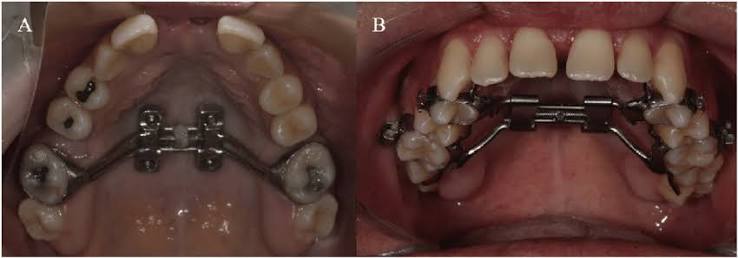
- Palatal expanders: When crowding results from a narrow upper jaw, expanders can create more space before permanent teeth fully erupt.
- Tooth extraction: In severe cases, removing one or more teeth may be necessary to create adequate space.
- Early orthodontics: Interceptive treatment during the mixed dentition phase can prevent crowded teeth from worsening.
The best treatment depends on the patient’s age, the cause of crowding, and whether wisdom teeth might cause teeth to shift further down the track.
Benefits of Early Treatment
Starting orthodontic treatment during the teenage years offers significant advantages:
- Easier tooth movement: Teenagers’ teeth and jaws are still developing, making alignment easier than in adults
- Prevention of complications: Early orthodontic intervention prevents gum disease, tooth decay, and jaw problems
- Improved oral health: Properly aligned teeth are easier to clean, reducing cavity and gum disease risk
- Boosted confidence: Addressing crowded or crooked teeth improves self-esteem when appearance matters most
- Shorter treatment times: Early treatment often means less complex correction
- Better long-term outcomes: Establishes a foundation for healthy teeth and good oral health habits
According to expert orthodontists, “Early orthodontic treatment can guide jaw growth and tooth eruption, often reducing or eliminating the need for more invasive procedures later on.”
Conclusion
Recognising the early signs of severe teeth crowding in teenagers: from overlapping teeth and gum issues to bite problems and speech difficulties, is the first step toward effective treatment. With crowded teeth being such a common issue affecting Australian teens, it’s essential to understand that treatment for crowded teeth is available and highly successful when started at the right time.
If you’ve noticed any signs of crowding in your teenager’s smile, don’t hesitate to consult with an orthodontist. Whether it’s mild crowding or severe cases requiring more intensive orthodontic treatment options, early intervention at Michael Woods Orthodontics can make all the difference in achieving a healthy, confident smile that lasts a lifetime.
Frequently Asked Questions
Can teeth crowding fix itself?
No, crowded teeth rarely self-correct. Without orthodontic treatment, crowding typically worsens over time.
Does severe crowding cause pain?
Yes. Severe crowding may cause jaw pain, chewing difficulty, and gum discomfort from trapped food and bacteria.
Are braces always required?
Not always. Mild crowding might be corrected with clear aligners, but moderate to severe cases usually need braces.
What happens if crowding is ignored?
Untreated crowding can lead to tooth decay, gum disease, jaw pain, and progressive tooth shifting, making future treatment more complex.

Leave a Reply