

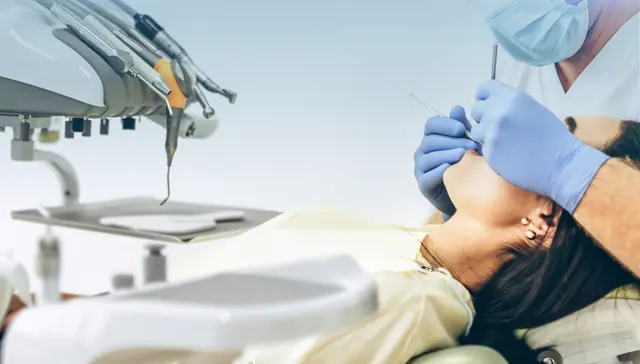
What Happens When the Lower Jaw Is Larger Than the Upper Jaw?
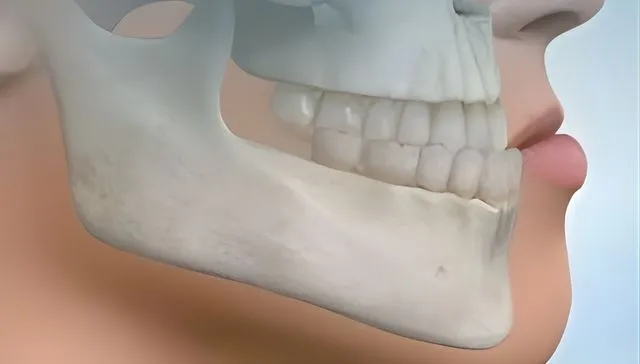
When the lower jaw is larger than the upper jaw, it creates a type of malocclusion called mandibular prognathism or an underbite. This condition occurs when the mandible extends beyond the maxilla, causing the lower front teeth to sit in front of the upper teeth. According to Orthodontics Australia, around 62% of Australians are willing to fix their misaligned teeth, highlighting the widespread concern about jaw and dental issues.
Understanding a Larger Lower Jaw and Prognathism
A larger lower jaw happens when the mandible grows disproportionately compared to the upper jaw, creating a visible jaw misalignment. This abnormality, known as mandibular prognathism, is a structural issue where the jawbone develops beyond its normal position. The condition affects how your upper and lower teeth don’t fit together properly, creating what dental professionals call a Class III type of malocclusion.
Jaw development begins in childhood, and uneven jaw growth can become more noticeable as jaw growth occurs during adolescence. Unlike maxillary prognathism, where the upper jaw protrudes, mandibular prognathism causes the lower jaw to protrude beyond the upper teeth, creating a distinctive facial profile.
Signs and Symptoms and Causes
Recognising when your lower jaw is larger than the upper jaw involves watching for several telltale symptoms and causes:
1. Visible Underbite
The most obvious sign is a protruding jaw where your chin bone appears to jut forward. When you close your mouth, the lower front teeth extend beyond the upper front teeth, creating a misaligned bite that’s visible from one side of the face and in profile view.
2. Bite Problems
With an underbite, your upper and lower teeth don’t align correctly when you chew. This malocclusion of the teeth makes it difficult to bite into foods properly. The upper or lower jaw position prevents your jaws and teeth from working together as they should, affecting how food particles fit together between your teeth.
3. Speech Difficulties
Because the upper and lower jaws aren’t properly aligned, many people with a larger lower jaw experience speech challenges. The abnormal jaw position affects tongue placement and causes difficulty pronouncing certain sounds clearly, sometimes leading to a lisp.
4. Facial Appearance Changes
Mandibular prognathism causes abnormal facial changes, including facial asymmetry. The jaw may appear more prominent on the lower face, similar to the historical Habsburg jaw. A small upper jaw combined with an enlarged mandible creates an uneven jaw appearance that affects overall facial balance.
5. Jaw Pain or TMJ Issues
Research from the Australian Dental Journal shows that 60-70% of the general population has at least one sign of a TMJ disorder. When the jaw joint doesn’t function properly due to misalignment, it creates strain on the temporomandibular joint, leading to jaw pain, clicking sounds, and limited mouth opening.
Oral Health Implications
A larger lower jaw creates significant oral health consequences beyond appearance. The misalignment between upper and lower teeth increases the risk of:
- Uneven tooth wear: When teeth don’t align, some teeth bear more pressure while chewing, causing premature wear
- Difficulty with oral hygiene: Misaligned teeth are harder to clean properly, increasing decay risk
- Gum disease: The improper bite puts stress on the gums and supporting bone growth structures
- TMJ disorders: Studies show TMDs affect up to 60-70% of Australians, especially adults aged 20-40 years, with jaw misalignment being a contributing factor
The teeth and jaw work as an integrated system. When one component, like jaw alignment, is off, it affects the entire oral and maxillofacial system. The strain on muscles and joints from compensating for the misaligned bite creates chronic discomfort and can deteriorate your healthy jaw function over time.
Treatment Options for Uneven Jaw Growth and Malocclusion
Modern dental and orthodontic science offers several effective approaches to correct when the lower jaw has not grown proportionately:
Orthodontic Treatment and Braces
For mild to moderate cases of jaw misalignment, orthodontic treatment with a brace system can help. An orthodontist will create a treatment plan that may include:
- Traditional metal braces are used to gradually shift the teeth
- Clear aligners for less visible orthodontic care
- Functional appliances that guide jaw development in growing children
Orthodontics focuses on moving the upper or lower teeth into better alignment. While braces alone may not fully correct severe mandibular cases, they’re often part of a comprehensive treatment plan. The orthodontic treatment duration varies, but most patients wear braces for 18-36 months.
Jaw Surgery (Orthognathic Surgery)
For severe cases where the lower jaw protrudes significantly, corrective jaw surgery becomes necessary. Orthognathic surgery, also called corrective surgery, involves an oral and maxillofacial surgeon who repositions the jawbone to achieve proper jaw alignment.
Common surgical procedures include:
- Mandibular osteotomy: Reshaping the mandible to reduce the protruding jaw
- Maxillofacial surgery: Adjusting both upper and lower jaw positions for optimal fit together
- Combination approaches: Sometimes surgeons perform procedures on both the upper or lower jaw to achieve balance
A candidate for orthognathic surgery typically has completed jaw growth, usually in late teens or early adulthood. The oral and maxillofacial surgeon works closely with your orthodontist to ensure your teeth align properly after bone repositioning.
Early Intervention in Children and Early Treatment
When a dentist or orthodontist identifies an uneven jaw during childhood, early treatment can make a significant difference. Growth modification appliances work while the jaw grows, guiding development toward a more balanced position.
Early intervention may require treatment before all permanent teeth emerge, but this proactive approach often reduces the need for more invasive corrective jaw surgery later. Many orthodontic specialists recommend evaluation by age 7 to catch developmental issues when the jaw may still respond to gentler interventions.
Benefits of Correcting a Larger Lower Jaw
Addressing mandibular prognathism offers substantial improvements:
- Improved bite function: Proper alignment lets you chew food efficiently without strain
- Enhanced facial aesthetics: Correcting the protruding jaw creates more balanced facial proportions
- Better oral health: Aligned teeth are easier to clean, reducing decay and gum disease risk
- Pain relief: Fixing jaw position reduces strain on the jaw joint, alleviating jaw pain and TMJ issues
- Clearer speech: Proper jaw and teeth positioning improve pronunciation
- Increased confidence: Many patients report improved self-esteem after correcting their open bite or underbite issues
The combination of functional and aesthetic benefits makes treatment worthwhile. With around 90% of orthodontic treatment in Australia provided through private fee-for-service clinics, accessing quality care from an experienced orthodontist is readily available across major cities.
When to See an Orthodontist
You should schedule a consultation if you notice:
- Your lower jaw appears larger than your upper jaw
- Difficulty biting or chewing food
- Your upper and lower teeth don’t touch properly
- Jaw pain when eating or speaking
- A family history of jaw abnormality or prognathism
- Your child shows signs of uneven jaw development
An X-ray and comprehensive examination help the orthodontist determine the severity of misalignment and whether you require treatment. They’ll assess bone growth patterns, measure jaw protrusion, and evaluate how your teeth don’t meet properly.
Don’t wait if you suspect issues; early diagnosis provides more treatment options and often simpler solutions than addressing advanced cases later.
Conclusion
When the lower jaw is larger than the upper jaw, it creates a distinct type of malocclusion that affects both function and appearance. Whether caused by genetics, abnormal jaw development, or other factors leading to mandibular prognathism, this condition requires professional assessment. Modern orthodontic and maxillofacial treatments offer effective solutions, from braces for mild cases to jaw surgery for severe misalignment. With proper diagnosis and a tailored treatment plan from a qualified orthodontist or dentist, you can achieve improved jaw function, better oral health, and enhanced facial balance. If you’re experiencing symptoms of a larger lower jaw, contact Michael Woods Orthodontics to discuss your treatment options and take the first step toward a healthier jaw.
Frequently Asked Questions
Can a large lower jaw fix itself naturally?
No, a large lower jaw won't correct itself naturally once jaw growth occurs. While minor shifts may happen during childhood development, true mandibular prognathism requires professional intervention through orthodontics or corrective jaw surgery to achieve proper alignment.
Is surgery always required for a large lower jaw?
Surgery isn't always required. Mild cases can be managed with orthodontic treatment alone, such as braces or clear aligners. Severe cases where bone growth is significantly disproportionate typically require orthognathic surgery combined with orthodontics for optimal results.
Can Invisalign fix an underbite?
Invisalign can address mild to moderate underbites caused by dental misalignment rather than skeletal issues. For significant jaw misalignment or mandibular prognathism, traditional braces or jaw surgery may be necessary alongside orthodontic treatment.
How long does underbite treatment take?
Treatment duration varies based on severity. Orthodontic treatment typically takes 18-36 months. If jaw surgery is required, expect 12-18 months of pre-surgical braces, the surgical procedure, and 6-12 months of post-surgical orthodontics for final adjustments.
Does jaw size affect facial appearance permanently?
Without treatment, jaw size does affect facial appearance permanently. However, with proper intervention through orthodontic treatment or maxillofacial surgery, the facial profile can be significantly improved, correcting the protruding jaw and creating better facial symmetry.

Leave a Reply