

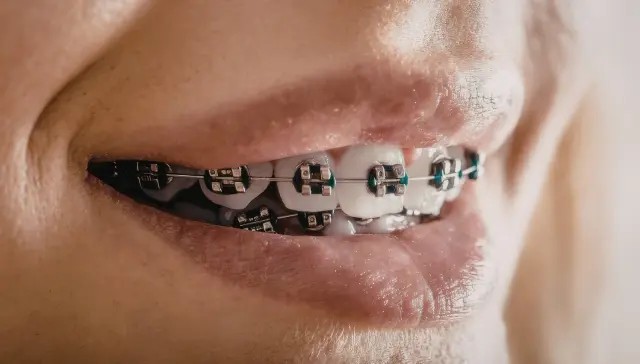
Orthodontic Treatment Costs in Armadale: What to Budget and What to Ask
If you’ve ever asked “how much does orthodontic treatment actually cost?” and been given a vague answer, you’re not alone. It’s one of the most common questions families in Armadale bring to their first consultation, and honestly, it’s one of the hardest to answer without knowing the specific details of your case.
The truth is, dental treatment costs vary significantly, and orthodontic treatment is no exception. But that doesn’t mean you have to go in blind.
This guide gives you a practical framework for understanding what drives orthodontic fees, how private health insurance works, what payment options are available, and the key questions you should ask before signing up for anything.
Why Orthodontic Treatment Costs Vary So Much
Before you start comparing prices, it helps to understand why orthodontic treatment costs look so different from practice to practice and patient to patient.
Four main factors affect the fee:
1. The complexity of your case
Mild crowding and a significant jaw discrepancy are not the same problem. A patient with minor spacing issues may complete treatment in 12 months. Someone with a complex bite issue may need two or more years of active orthodontic treatment. The more complex the case, the more time, skill, and resources are involved, and that’s reflected in the fee. The costs vary based on how much work your teeth and jaw actually need.
2. The type of appliance
Traditional metal braces, ceramic braces, lingual braces, Invisalign aligners, and removable plates all sit at different price points. Lingual braces (placed behind the teeth) are typically the most involved to fit and adjust, while traditional braces remain one of the more accessible options. Invisalign treatment uses a series of clear, custom-made aligners that are removable, which many patients prefer for lifestyle reasons. The complexity of your case will often guide which appliance is most appropriate.
3. Treatment duration
Longer treatment means more appointments, more adjustments, and more clinical time. The treatment duration directly affects the overall fee, which is why two patients with the same appliance can receive quite different quotes.
4. The provider's level of training
There’s an important distinction between a specialist orthodontist and a general dentist who offers orthodontic services. Specialist orthodontists complete an additional three or more years of full-time university training beyond their dental degree. That level of expertise, particularly for complex dental conditions, is part of what you’re paying for.
What's Typically Included in an Orthodontic Fee?
A comprehensive orthodontic fee at a specialist practice generally covers:
- Initial dental records: X-rays, clinical photographs, and study models used to plan your personalised treatment
- Appliance fabrication and fitting: The cost of making and placing your braces, aligners, or plates
- All adjustment appointments: Regular check-ups throughout the active treatment phase
- One set of retainers: At the end of treatment, retainers hold your teeth in their new position. These are usually included in the fee
What may be charged separately:
- Emergency appointments (broken bracket, lost aligner, etc.)
- Replacement retainers after the initial set
- Additional X-rays during treatment
- Any treatment required beyond the original plan
Always ask for a written fee breakdown. A reputable dental clinic will provide this without hesitation as part of your first consultation.
Private Health Insurance and Orthodontic Rebates in Victoria
Private health insurance can help offset the cost of orthodontic treatment, but the rules aren’t always obvious. Here’s what to know before your first appointment.
How orthodontic extras cover works
Orthodontics falls under “extras” cover, not hospital cover. Most private health funds require a 12-month waiting period for orthodontic treatment, so you’ll need to think ahead if you might need it.
Orthodontic rebates from private health insurance range from a few hundred dollars to over $2,500, so it pays to do your research.
Lifetime limits: what they mean
Almost all health funds place a “Lifetime Limit” on orthodontic benefits. This means that once you have claimed the maximum benefit, you will not be eligible to claim any further orthodontic benefits during your lifetime, and your benefits will not re-accrue.
Most health funds offer between $1,400 to $3,000 in lifetime orthodontic cover. This is a meaningful contribution, but it rarely covers the full cost of treatment.
Does Medicare cover orthodontics?
In most cases, no. Medicare does not include routine orthodontic treatment under the public benefits system. There are a few limited scenarios where Medicare may contribute, but they are the exception.
What to do before your consultation
- Call your health fund and ask for a benefit quote
- Quote item number 881 for braces treatment and 825 for aligner treatment
- Ask about your lifetime limit, annual limit, and how much you’ve already used
- Check whether your policy requires treatment to be by a specialist orthodontist (some funds, including Bupa and HCF, pay different rates depending on the provider)
- Review your policy documents if you’re unsure about your terms and conditions
Bottom line: Don’t assume your cover is adequate. A five-minute call to your health fund before your consultation could save you a lot of confusion later.
If you have HICAPS at our practice, you can claim your private health rebate on the spot at each appointment; there’s no need to lodge a separate claim.
Payment Plans: Making Orthodontic Treatment Accessible for Armadale Families
Orthodontic treatment is a significant investment, but most specialist practices offer flexible payment options to spread the cost across the treatment period.
At Michael Woods Orthodontics, we offer flexible payment plans designed to suit your budget, including interest-free instalment options. We also accept Afterpay for eligible patients. Our goal is to make orthodontic treatment accessible for patients of all ages, from children in early interceptive treatment to adults seeking care for the first time.
Here’s what to ask any practice about their payment options:
| Question | Why It Matters |
|---|---|
| Is the deposit required upfront? | Helps you plan your initial outlay |
| Are instalments interest-free? | Affects the true total cost of treatment |
| What happens if treatment runs longer than expected? | Protects you from unexpected extra charges |
| Can I pause payments if my circumstances change? | Important for long-term financial planning |
| Do you offer flexible payment options for both adults and children? | Useful for families treating multiple family members |
Is Cheaper Always Better? The Case for Specialist Care in Armadale
It’s worth taking a moment here to talk about value, not just price.
Over half of Australians (55%) feel self-conscious about their teeth, and almost two-thirds (62%) would like to do something to fix their crooked smiles. For many of those people, the instinct is to find the lowest-cost option available.
But in orthodontics, cheaper doesn’t always mean better. General dentists can legally offer orthodontic services in Australia, but specialist orthodontists have completed an additional three or more years of university-level postgraduate training focused entirely on tooth movement, jaw development, and bite correction.
For straightforward cases, this distinction may matter less. For complex cases involving significant crowding, jaw discrepancies, bite issues, or growing children, the level of training makes a real difference to the outcome.
When comparing providers, look beyond the price. Consider:
- Are they a registered specialist orthodontist with AHPRA?
- Do they have experience managing complex cases, including adult patients?
- Do they provide a detailed, written treatment plan based on your individual case?
- Is their transparent pricing clearly explained before you commit?
A practice that provides clarity on fees upfront, offers a personalised dental care plan, and treats patients with genuine attention to their long-term oral health is worth the investment.
Orthodontic Treatment in the Context of Long-Term Dental Health
This is worth saying clearly: orthodontic treatment is not just about getting a straighter smile. Properly aligned teeth are easier to clean, which means better oral hygiene in the long run.
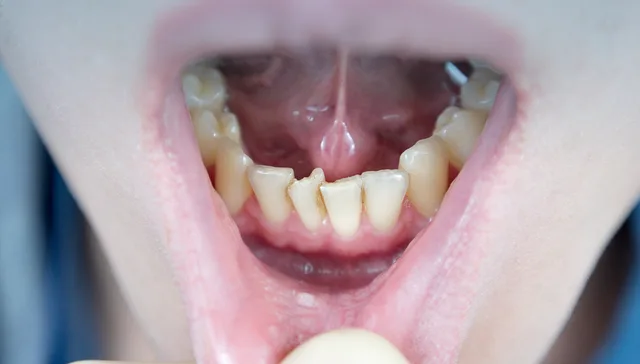
When teeth are crowded or crooked, brushing and flossing become genuinely difficult. Food gets trapped in hard-to-reach areas, making it easier for plaque to build up and leading to a higher risk of gum disease and decay. Beyond aesthetics, orthodontic treatment supports your long-term oral health by making your mouth easier to maintain.
Good oral hygiene practices, including regular brushing, flossing, and dental check-ups, matter throughout orthodontic treatment too. Whether you’re in metal braces or wearing Invisalign aligners (which are removable, making it easier to maintain good oral hygiene), your dentist and orthodontist will guide you through what to expect.
Questions to Ask About Fees Before You Commit
Here’s a practical checklist you can take to your consultation:
- What is included in the total treatment fee? (Records, appointments, retainers?)
- Are retainers included, or charged separately?
- What happens if my treatment takes longer than planned?
- What is your cancellation or pause policy?
- Do you offer flexible payment options, including interest-free instalments?
- Do you process health fund claims via HICAPS on the day?
- What are your fees for emergency appointments?
- Can I get the full fee quoted in writing before I commit?
Any practice worth your trust will answer all of these without hesitation.
Serving Armadale, Kelmscott, and Greater Melbourne
Michael Woods Orthodontics works with families across Armadale, Kelmscott, and the surrounding Melbourne metropolitan region. We believe that seeking orthodontic treatment shouldn’t feel financially overwhelming, which is why we combine transparent pricing with personalised dental care and flexible payment plans tailored to your needs.
Whether you’re an adult finally considering treatment you never got as a teenager, or a parent exploring options for your child, we’ll walk you through every aspect of the proposed treatment plan and fee structure at your first consultation. No pressure, no surprises.
We are proudly a dental clinic that treats patients of all ages, from early orthodontic intervention in children to complete treatment for adults. Our team works closely with your regular dentist to ensure your dental health is supported throughout the entire process.
Book Your Appointment Today
Ready to take the first step towards the smile you deserve? Book your appointment today at Michael Woods Orthodontics for a clear, written treatment plan and a full fee breakdown.
You can book your appointment online or get in touch with our team to discuss your options. We’re happy to answer any questions about dental services, health fund rebates, or what to bring to your first visit.
Transparency and patient-first care are at the heart of everything we do at Michael Woods Orthodontics. Contact us today.
Frequently Asked Questions
Does private health insurance cover orthodontic treatment in Armadale?
Yes, if you have extras cover that includes orthodontics. Most health funds apply a lifetime limit (typically $1,400 to $3,000) and a 12-month waiting period. Call your fund and quote item number 881 (braces) or 825 (aligners) for a benefit estimate.
Is Invisalign covered by private health insurance in Australia?
Yes. Most health funds treat Invisalign aligners the same as traditional braces under orthodontic extras cover. Your lifetime limit applies regardless of which appliance you choose.
What payment plans does Michael Woods Orthodontics offer?
We offer interest-free instalment plans and accept Afterpay for eligible patients. Our team will walk you through all payment options at your consultation so you can choose what suits your budget.
Do I need a referral to see a specialist orthodontist?
No referral is needed. You can book directly with our practice. However, your general dentist may be able to provide useful records or X-rays that help your orthodontist plan your treatment.
How do I know if the quoted fee covers everything?
Always ask for a written breakdown. At Michael Woods Orthodontics, our consultation fee quotes include records, appliance fitting, all adjustment appointments, and your first set of retainers. We'll clearly outline anything that sits outside the standard fee.

Leave a Reply