

Class III Bite Problems: Causes, Effects, and Treatment Options
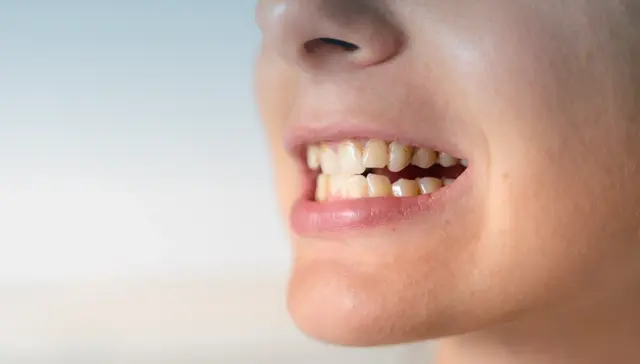
A class III bite, or class III malocclusion, occurs when your lower jaw sits further forward than your upper jaw, creating an underbite. This dental issue affects around 2.5% of Australians, and while it can cause functional problems with biting and speaking, modern orthodontic treatment and surgical options can successfully correct class iii bite problems at any age.
What Is a Class III Bite?
A class 3 bite is a type of malocclusion where the relationship between your upper and lower jaw creates a noticeable underbite. In a proper bite, your upper teeth should sit slightly in front of your lower teeth. However, with skeletal class iii malocclusion, the lower jaw protrudes forward, causing the lower teeth to extend beyond the upper teeth.
This dental condition differs from other different types of malocclusion like class ii malocclusion (where the upper jaw sits too far forward) or class i malocclusion (where teeth are misaligned despite proper jaw positioning). The angle class iii pattern can range from mild cases that are barely noticeable to severe class iii malocclusion requiring comprehensive treatment of class iii approaches.
Causes of Class III Bite Problems
Understanding the causes of class iii bite problems helps orthodontists develop effective treatment plans. Several factors contribute to the development of this malocclusion.
1. Genetic and Hereditary Factors
Genetics play a major role in class 3 malocclusion development. If your parents or siblings have an underbite, you’re more likely to develop one yourself. Research shows that class III malocclusion in children often runs in families, with specific genes affecting jaw growth and development.
2. Jaw Growth Imbalance
The skeletal class III pattern often results from an imbalance between upper and lower jaw growth. Your lower jaw might grow too much, your upper jaw might not develop enough, or both issues might occur together. This skeletal and dental imbalance creates the characteristic class III skeletal profile that defines the condition.
3. Childhood Habits and Functional Issues
Certain childhood habits can contribute to malocclusion development. Prolonged thumb sucking, mouth breathing, and tongue thrusting can all affect how your teeth and jaw develop. These functional issues may not cause class III malocclusion by themselves, but they can make existing problems worse.
4. Developmental or Medical Factors
Some medical conditions and developmental issues increase the risk of cases of malocclusion. Cleft lip and palate, certain genetic syndromes, and injuries to the jaw during childhood can all contribute to class 3 bite formation.
Signs and Symptoms of a Class III Bite
Recognising the symptoms of malocclusion early helps ensure timely intervention. Here are the key signs of a class III bite.
1. Visible Underbite
The most obvious sign is when your lower teeth sit in front of your upper teeth when you close your mouth. This creates a noticeable underbite that affects both appearance and function.
2. Bite and Chewing Difficulties
Living with a class III malocclusion often means struggling with basic tasks like biting into food or chewing properly. The misalignment between upper and lower teeth makes it hard to use your front teeth effectively, and you might unconsciously favour one side of your mouth when eating.
3. Speech and Pronunciation Issues
A class 3 bite can affect how you pronounce certain sounds, particularly ‘s’ and ‘th ‘ sounds. The positioning of your teeth and jaw influences tongue placement during speech, which can lead to a lisp or other speech difficulties.
4. Facial Profile Changes
The dental arch relationship and jaw positioning in class III cases create distinct facial characteristics. Your chin might appear more prominent, and your lower face may look longer or more projected than your upper face.
5. Jaw Discomfort
The abnormal positioning of your teeth and jaw can strain your jaw joints, leading to discomfort, clicking sounds, or pain when opening and closing your mouth. This happens because your jaw has to work harder to compensate for the misalignment.
Effects of Untreated Class III Bite Problems
Patients with class III malocclusion who don’t seek treatment may face increasingly serious complications over time.
1. Oral Health Effects
The misalignment makes proper dental health maintenance challenging. You might struggle to clean certain areas effectively, increasing your risk of tooth decay and gum disease. The abnormal bite pattern also causes uneven wear on your teeth, which can lead to premature damage. Studies show that patients with class III patterns often experience greater difficulty maintaining oral health compared to those with properly aligned bites.
2. Functional Problems
Without treatment for class III malocclusion, daily activities become more difficult. Eating certain foods, speaking clearly, and even breathing can be affected. Some people develop an anterior open bite or deep bite alongside their class 3 bite, further complicating matters.
3. Facial and Aesthetic Impact
The condition affects facial appearance in ways that can impact self-confidence. Research indicates that over 55% of Australians feel self-conscious about their teeth, and class III malocclusion often contributes significantly to these concerns.
How Class III Bite Problems Are Diagnosed
Proper diagnosis and treatment of your class 3 bite starts with a comprehensive examination by an orthodontist. They’ll examine your teeth, jaw, and facial structure, looking at how your upper and lower jaw relate to each other.
Your orthodontist will take detailed records, including x-rays, photographs, and dental impressions, to assess the severity of the malocclusion. They’ll check whether you have a class I molar relationship that’s been disrupted or if you have a real skeletal class III issue. This thorough assessment helps them determine the best treatment approach and timing of early treatment if needed.
Treatment Options for Class III Bite Problems
Multiple treatment options for class III malocclusion exist, and your orthodontist will recommend the most suitable approach based on your specific situation.
1. Early Intervention in Children and Teens
Early treatment of class iii malocclusion in growing children offers the best opportunity to guide jaw development. An orthodontic appliance called a facemask, combined with palatal expansion, can help treat class iii patterns by encouraging forward growth of the upper jaw.
Early orthodontic treatment typically begins around age 7-10, when children still have significant growth potential. The goal is to correct a class iii pattern before it becomes more severe. Class iii elastics and other orthodontic tools help guide teeth and jaw into better positions during this critical growth phase.
2. Orthodontic Treatment
For adults or those with mild to moderate cases, orthodontic treatment alone might suffice. This camouflage treatment uses braces or clear aligners to reposition teeth and improve the bite without surgery. Your orthodontist develops a customised treatment plan that addresses your specific needs.
Treatment time varies, but most orthodontic cases take 1-3 years to complete. The treatment results depend on the severity of your bite problems and how well you follow your orthodontist’s instructions. At the end of treatment, you’ll typically need to wear a retainer to maintain your new smile.
3. Surgical Orthodontics
Severe class iii malocclusion often requires combined orthodontic and surgical treatment. Orthognathic surgery repositions the jaw bones to create proper alignment between the upper and lower jaw. This surgical treatment approach offers the most complete correction for severe cases where the skeletal discrepancy is too large to treat malocclusion with orthodontics alone.
The management of class iii cases through surgery involves careful planning between your orthodontist and oral surgeon. They work together to develop a comprehensive treatment approach that addresses both the skeletal and dental components of your condition. This combined treatment for a class iii bite delivers dramatic improvements in both function and appearance.
Benefits of Treating a Class III Bite
Effective treatment for class III malocclusion delivers multiple benefits that improve your quality of life:
- Improved function: After correction of class III malocclusion, you’ll find eating, speaking, and breathing much easier. Your teeth and jaw will work together properly, reducing strain and discomfort.
- Enhanced appearance: Treatment dramatically improves your facial profile and smile aesthetics. Many patients report feeling more confident after correcting a class III malocclusion.
- Better oral health: Properly aligned teeth are easier to clean, reducing your risk of tooth decay and gum disease. This helps maintain your dental health long-term through regular dental care.
- Prevention of complications: Early treatment prevents the progression to a severe class condition that would require more extensive intervention later.
Conclusion
Class iii bite problems affect how your teeth and jaw work together, but modern orthodontics offers proven solutions. Whether through early orthodontic treatment in children, orthodontic correction in adults, or combined surgical approaches for severe cases, patients with class iii can achieve excellent treatment results.
The key is seeking evaluation from an experienced orthodontist who can assess your specific situation and recommend the most appropriate treatment options for class 3 correction. With the right treatment plan and commitment to the process, you can improve the bite, enhance your smile, and enjoy better oral health for life.
If you’re concerned about a class III bite, contact Michael Woods Orthodontics for a comprehensive assessment. Our team specialises in all aspects of malocclusion treatment, from early intervention to complex cases requiring combined approaches. Together, we’ll develop a personalised treatment plan that addresses your unique needs and goals.
Frequently Asked Questions
Can a Class III bite correct itself?
No, a class III malocclusion won't self-correct. In fact, the condition typically worsens with growth if left untreated. Professional intervention is necessary to treat class III patterns effectively.
Is surgery always needed for a Class III bite?
Not always. Treatment options for class iii vary based on severity and age. Mild cases might respond well to orthodontics alone, while severe class III malocclusion usually requires surgical treatment for optimal results.
Can Invisalign fix a Class III bite?
Clear aligners can be used for class III malocclusion treatment in some cases, particularly mild to moderate situations. However, more severe cases require traditional braces or surgical intervention.
At what age is it best to treat Class III bite problems?
The timing of early treatment is crucial. Starting around age 7-10 allows orthodontists to guide jaw growth. However, class III treatment can be successful at any age with the appropriate treatment option.
How long does Class III bite treatment take?
Treatment time varies considerably based on the treatment approach. Orthodontic treatment typically takes 1-3 years. Combined orthodontic and surgical treatment may take longer, but delivers comprehensive correction of class III malocclusion.

Leave a Reply