


Invisalign vs Braces for Crowded Teeth: Which Works Better?
When choosing between Invisalign and traditional braces for crowded teeth, both treatments can effectively straighten your teeth. Research shows that 62% of Australian adults are considering orthodontic treatment, with crowding being a leading concern. Traditional braces typically handle severe cases better, while Invisalign aligners work well for mild to moderate alignment issues. Your orthodontist can determine the best treatment option based on your specific dental needs.
According to Orthodontics Australia, over half of Australians (55%) feel self-conscious about their teeth, making orthodontic intervention increasingly popular across all age groups.
What Is Teeth Crowding?
Teeth crowding happens when there’s not enough space in your jaw for all your teeth to sit properly. This orthodontic issue causes teeth to overlap, twist, or push forward, creating both cosmetic and health concerns.
Common causes of dental crowding include:
- Genetics and jaw size are inherited from your parents
- Early loss of baby teeth from decay or trauma
- Wisdom teeth push other teeth forward as they emerge
- Thumb sucking or prolonged dummy use beyond age three
Crowding can be classified into three levels:
- Mild crowding: One or two teeth slightly overlap
- Moderate alignment issues: Two to three teeth overlap noticeably
- Severe crowding: Most teeth overlap significantly, affecting your bite
Left untreated, crowded teeth make cleaning difficult, increasing your risk of decay and gum disease. Many Australians don’t realise that teeth crowding often worsens with age, making early intervention important.
How Invisalign Works for Crowded Teeth
Invisalign treatment uses a series of custom-made clear aligners to gradually straighten your teeth. Each set of aligners applies gentle pressure to move teeth into the desired position over time.
The Invisalign process includes:
- Digital scanning of your teeth to create a 3D treatment plan
- Manufacturing custom aligners made from medical-grade plastic
- Wearing each set of aligners for 20-22 hours daily
- Changing to new aligners every 1-2 weeks
- Regular check-ups with your dentist every 6-8 weeks
Invisalign aligners are virtually invisible, making them popular among adults who want discreet treatment. The fact that Invisalign aligners are removable means you can take them out for eating, drinking, and cleaning.
However, whether Invisalign is better than braces depends on your specific case. Invisalign works well for mild to moderate alignment issues, but may not be as effective as braces for severe crowding. Since Invisalign requires discipline to wear aligners consistently, treatment success relies heavily on patient compliance.
How Braces Work for Crowded Teeth
Traditional braces use brackets and wires attached to your teeth to apply continuous pressure that gradually moves them into position. This braces treatment has been used successfully for decades to correct even the most complex orthodontic issue cases.
How traditional metal braces work:
- Metal or ceramic brackets are bonded to each tooth
- Wires thread through the brackets and connect to bands on back molars
- Your orthodontist adjusts wire tension during regular appointments
- Teeth gradually move into their correct alignment over months or years
- Fixed design means braces work 24/7 without patient compliance required
Traditional braces use consistent force to address severe crowding that clear aligners might struggle with. Traditional metal braces are particularly effective when extractions or significant jaw alignment is needed.
Braces might cause some initial discomfort as your mouth adjusts, and braces can cause irritation from wires and brackets. However, modern ceramic braces and lingual braces offer more discreet alternatives to traditional metal types, though they usually come at a higher cost.
Invisalign vs Braces : Key Differences
Choosing between Invisalign and traditional braces involves weighing several factors. Here are the main differences between Invisalign and braces:
Appearance:
- Invisalign aligners are virtually invisible and barely noticeable
- Traditional braces are fixed and visible, though ceramic options make braces less noticeable
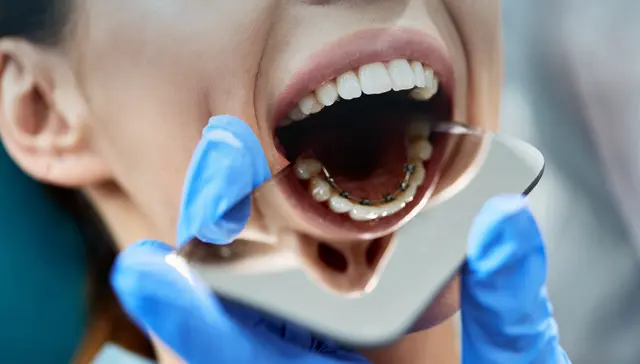
- Lingual braces attach to the back of teeth for a hidden alternative to traditional braces
Comfort:
- Invisalign offers smooth plastic with no sharp edges
- Braces can cause discomfort from brackets and wires, especially after adjustments
- Unlike braces, Invisalign aligners can be removed during sports or special events
Lifestyle Impact:
- Invisalign aligners are removable, allowing normal eating and easy brushing
- Traditional braces require avoiding certain foods that could damage the braces
- Unlike Invisalign, braces are fixed in place with no risk of forgetting to wear them
Maintenance:
- Aligners need cleaning but remove your Invisalign for meals
- Traditional braces require careful brushing around brackets and wires
- Both options need regular dental check-ups throughout treatment
Treatment Flexibility:
- Braces and Invisalign can sometimes be combined for optimal results
- Braces are often recommended as an alternative to traditional methods when needed
- Your dentist will assess whether Invisalign or braces suit your case
Which Is More Effective for Severe Crowding?
When it comes to severe crowding, traditional braces may be the better option. Braces are effective at handling complex cases where significant tooth movement is needed.
Traditional braces can cause more extensive corrections because they:
- Apply stronger, more controlled force to move teeth
- Work continuously without relying on patient compliance
- Can address severe bite problems and jaw misalignment
- Handle cases requiring tooth extractions more predictably
That said, Invisalign may work for some severe crowding cases, depending on your specific situation. Modern Invisalign technology has improved significantly, and choosing between Invisalign and traditional braces increasingly depends on individual factors rather than just crowding severity.
For moderate alignment issues, both Invisalign and traditional braces deliver comparable results. Invisalign is better than braces for mild cases because treatment is often faster and more comfortable. However, braces or Invisalign decisions should always be made with professional guidance.
The pros and cons of Invisalign include excellent aesthetics but less force than traditional braces. Meanwhile, the advantages of braces include their power to correct complex problems, though they’re more visible. Understanding the pros and cons of traditional options helps you make an informed choice.
Treatment Time: Invisalign vs Braces
Treatment duration varies depending on your crowding severity and chosen method. Generally, Invisalign treatment takes 12-18 months while braces usually takes 18-36 months for similar corrections.
Factors affecting treatment time:
- Severity of crowding and alignment needs
- Patient compliance (especially important for Invisalign)
- Age and how quickly teeth respond to movement
- Whether extractions or additional procedures are needed
Invisalign faster than braces? In many cases, yes. Invisalign offers shorter timelines for straightforward corrections. However, this advantage disappears if you don’t wear aligners 20-22 hours daily as required.
Braces usually takes longer because traditional braces require more gradual adjustments during regular appointments. However, since braces are fixed, there’s no compliance issue slowing progress. Some cases see faster than braces results when comparing Invisalign to traditional methods.
The choice of whether Invisalign is better ultimately depends on your priorities. If you value faster than traditional braces completion times and have mild crowding, Invisalign works well. For complex cases, traditional braces remain the more predictable option regardless of timeline.
Comfort, Aesthetics, and Lifestyle Considerations
Your daily life plays a big role in the Invisalign vs traditional braces debate. Here’s how each treatment option affects comfort and lifestyle:
Aesthetics:
- One advantage of Invisalign is its discreet appearance : barely visible when smiling
- Ceramic braces offer a middle ground, being less noticeable than metal versions
- Traditional dental braces are most visible but remain highly effective
- For professional environments, many adults choose Invisalign for aesthetic reasons
Daily Comfort:
- Wearing Invisalign feels smooth against your gums and cheeks
- Braces might require adjustment time, with occasional wire irritation
- Invisalign requires removing aligners 20+ times daily for meals
- Braces use fixed design mean no daily insertion and removal
Food Freedom:
- Aligners are removable, so you can eat anything without restriction
- Traditional braces can cause problems with sticky, hard, or crunchy foods
- Unlike braces, Invisalign lets you enjoy corn on the cob, apples, and more
- Braces require dietary modifications to prevent damage
Social Situations:
- Invisalign aligners can be removed for important photos or events
- Some people find that braces and Invisalign both require adjustment periods
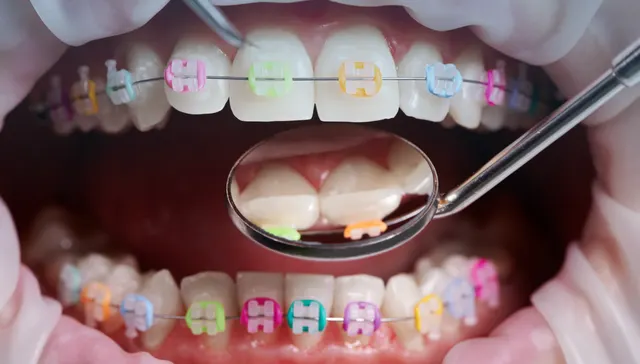
- Teenagers may prefer visible braces in fun colours, or invisible aligners
- Adults typically lean toward the advantages of Invisalign for discretion
Oral Hygiene and Gum Health During Treatment
Maintaining good dental hygiene is crucial during orthodontic treatment. Each option presents different challenges:
With Invisalign:
- Remove your Invisalign aligners for brushing and flossing normally
- Clean aligners daily with gentle soap and water
- No brackets or wires to navigate around
- Lower risk of decay since cleaning access is unrestricted
- Must brush after meals before reinserting aligners
With Traditional Braces:
- Traditional braces require a more careful brushing technique
- Flossing needs special tools or threaders to access between teeth
- Food particles can get trapped in brackets and wires
- Higher risk of staining or decay if oral hygiene lapses
- Traditional braces may lead to gum irritation if not cleaned properly
Both aligners and traditional braces need commitment to dental care. However, the removability of clear aligners makes daily hygiene significantly easier. This is particularly important since crowded teeth already create cleaning challenges before treatment begins.
Your dentist can provide specific cleaning techniques for whichever treatment you select. Regular professional cleanings throughout braces treatment or Invisalign therapy help prevent complications.
Invisalign vs Braces Cost Comparison
Financial considerations often influence the decision between Invisalign or braces. Here’s what affects pricing:
General cost ranges in Australia:
- Traditional metal braces: Generally the most affordable baseline option
- Ceramic braces: Typically cost more than metal versions
- Invisalign aligners: Often sit at the higher end of the pricing spectrum
- Lingual braces: Usually the most expensive due to customisation
The cost of braces and the cost of Invisalign both vary based on:
- Treatment complexity and duration
- Your chosen provider’s experience and location
- Additional procedures like extractions or attachments
- Regular adjustment appointments required
- Post-treatment retainers
Financial planning tips:
- Many providers offer payment plans to spread costs
- Private health insurance may cover part of orthodontic treatment
- Compare quotes from multiple qualified providers
- Ask about all-inclusive pricing to avoid surprise fees
- Consider both the upfront cost and long-term value
While cost matters, choosing between Invisalign and braces should prioritise effectiveness and suitability for your dental needs. The best results come from selecting the right treatment, not necessarily the cheapest one.
Which Treatment Is Right for You?
The right choice between braces or Invisalign ultimately depends on several personal factors:
Choose Invisalign if you:
- Have mild to moderate alignment problems
- Value discreet, nearly invisible treatment
- Can commit to wearing aligners 20-22 hours daily
- Want the flexibility to remove aligners for eating
- Prefer fewer dietary restrictions
- Have good self-discipline for compliance
Choose traditional braces if you:
- Have severe crowding or complex bite issues
- Want guaranteed 24/7 tooth movement
- Prefer not managing removable appliances
- Need maximum force for extensive corrections
- Are treating young children who may lose aligners
- Want the most cost-effective option
Consider your priorities:
- Treatment timeline and urgency
- Comfort level during treatment
- Professional and social appearance needs
- Budget and payment flexibility
- Commitment to daily maintenance
The Invisalign vs braces debate has no universal winner. Both braces work and Invisalign works when properly applied to appropriate cases. Successful orthodontic treatment depends more on matching the method to your needs than on which system is “better.”
Many factors influence whether Invisalign or braces will deliver your best outcome. Some practices even use Invisalign braces combinations, starting with one system and finishing with another for optimal results.
Why an Orthodontist's Assessment Matters
Making the right choice requires professional guidance. Here’s why consulting an orthodontist is essential:
Comprehensive evaluation includes:
- X-rays and 3D imaging to assess tooth and jaw positions
- Analysis of bite patterns and crowding severity
- Discussion of your lifestyle, budget, and preferences
- Explanation of realistic timelines for each treatment option
- Honest assessment of which approach offers best results
An orthodontist’s expertise goes beyond general dental knowledge. Specialist training allows them to:
- Identify factors that might complicate treatment
- Predict how your teeth will respond to different approaches
- Customise treatment plans for your unique situation
- Use both traditional and modern techniques as needed
- Provide ongoing monitoring and adjustments
Australia has 572 specialist orthodontists who can offer expert assessment. These professionals understand when traditional braces are essential versus when Invisalign may suffice.
Since the effectiveness of braces outcomes depend on proper case selection, don’t rely solely on online information or advertisements. What works for your friend might not suit your dental situation. Professional evaluation ensures you invest in the treatment that will actually work.
Conclusion: Both Invisalign and braces offer effective solutions for crowded teeth, each with distinct advantages. Traditional braces remain the gold standard for severe crowding and complex cases, delivering powerful corrections through fixed brackets and wires. Meanwhile, Invisalign provides a comfortable, nearly invisible alternative for mild to moderate cases, perfect for adults wanting discreet treatment.
The differences between Invisalign and braces extend beyond appearance to include comfort, lifestyle impact, maintenance requirements, and effectiveness for different crowding levels. While many wonder whether Invisalign is faster than braces, treatment time ultimately depends more on your specific case than the system itself.
The best approach is consulting an experienced orthodontist who can assess your unique situation, explain the pros and cons of traditional and clear aligner options, and recommend the treatment that will deliver your best smile. Whether you choose the proven reliability of traditional braces or the modern convenience of Invisalign aligners, professional guidance ensures your investment leads to lasting results.
Frequently Asked Questions
Are braces faster than Invisalign for crowded teeth?
Not necessarily. Invisalign typically takes 12-18 months while braces usually require 18-36 months, but actual treatment time depends on crowding severity and patient compliance rather than the system itself.
Is Invisalign more comfortable than braces?
Generally yes. Invisalign offers smooth, removable aligners without sharp brackets or wires, causing less irritation. However, both treatments involve some discomfort as teeth move.
Which option lasts longer?
Both treatments deliver permanent results when followed by proper retainer use. Without retention, teeth from either braces treatment or Invisalign therapy can shift back over time.
Can Invisalign fix severe crowding?
Invisalign may handle some severe cases, but traditional metal braces typically work better for extensive crowding, especially when extractions or major jaw corrections are needed. Your orthodontist can determine if Invisalign offers sufficient force for your situation.

Leave a Reply